

UK Urges Emergency Food Stockpiling Amid Climate Risks
The UK government advises citizens to stock up on long-life foods as extreme weather and supply chain risks threaten food supplies.
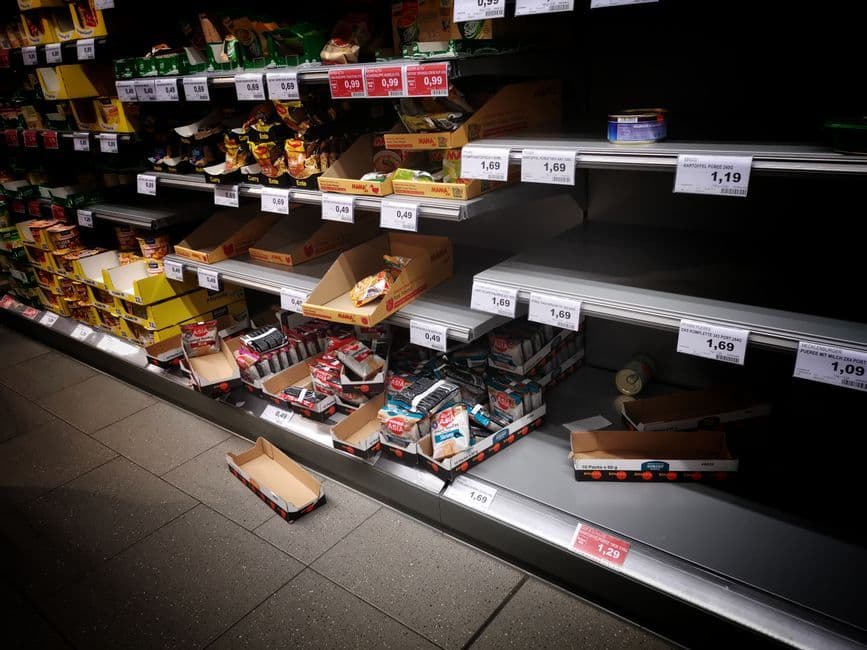
Stock photo for illustration only, not from the actual event
- UK government advises citizens to stockpile long-life foods
- Focus on complex carbs and canned protein sources
- Avoid high sodium and sugary processed items
- Aim for 1,500-2,500ml of fluids daily
Extreme weather events and global disruptions are prompting a shift in how consumers shop, as the UK government urges citizens to incorporate a handful of long-life products into their shopping baskets to safeguard against potential supply chain interruptions.
Environment Secretary Dame Angela Eagle told the Guardian that the powerful natural climate phenomenon El Nino would lead to more extreme storms in the country. Climate change, alongside cyber-attacks, disease outbreaks, and geopolitical conflicts, can place immense strain on the logistical processes that deliver food to local shops and homes.
Prof Richard Wilding, an expert in supply chain strategy, noted that the public should not be overly worried as global shipping professionals constantly adapt, but advised readiness to purchase alternative products if necessary.
Stockpiling emergency provisions is a foundational risk-management strategy advocated by authorities worldwide, especially as modern supply chains face increasing vulnerabilities. Selecting long-shelf-life items with high nutritional value helps mitigate immediate shortages during unexpected crises.
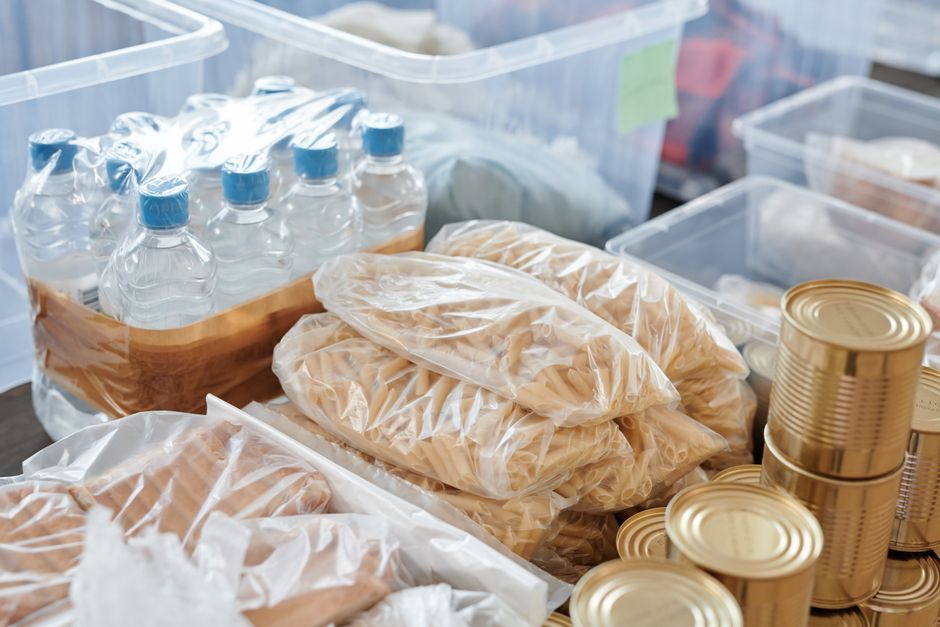
Stock photo for illustration only, not from the actual event
Dr Sammie Gill, a senior nutrition scientist from the British Nutrition Foundation, advises prioritizing specific food groups:
- Complex carbohydrates such as wheat biscuits, wholegrain cereals, crackers, breads, oats, rice, and pasta
- Proteins such as canned chickpeas, lentils, kidney beans, unsalted nuts, peanut butter, and canned oily fish including tuna, mackerel, and sardines
Rebecca McManamon, a consultant dietitian, expands the essential items list to include canned fruit, noting that the juice can provide added fluids, vitamins, and fiber, alongside pickled vegetables and eggs. Both experts also recommend keeping long-life milk on hand for protein, calcium, and hydration.
"Things that were in supermarkets and seen as relatively abundant may all of a sudden be in shortage."
Prof Richard Wilding
When purchasing canned items, Dr Gill advises checking for salt and sugar content, avoiding brine or syrups, and selecting items packed in water. Consumers should also steer clear of instant noodles, tinned soups with high sodium, and breakfast cereals with added sugars, while limiting sweet treats like biscuits and chocolates.
Source: BBC Health
Found something wrong in this article? Report an issue with this article
Comments
Leave a Comment