

Russia's Parliamentary Election: United Russia Wins Majority
United Russia, backed by President Vladimir Putin, secured a constitutional majority in the State Duma amid the ongoing war in Ukraine.
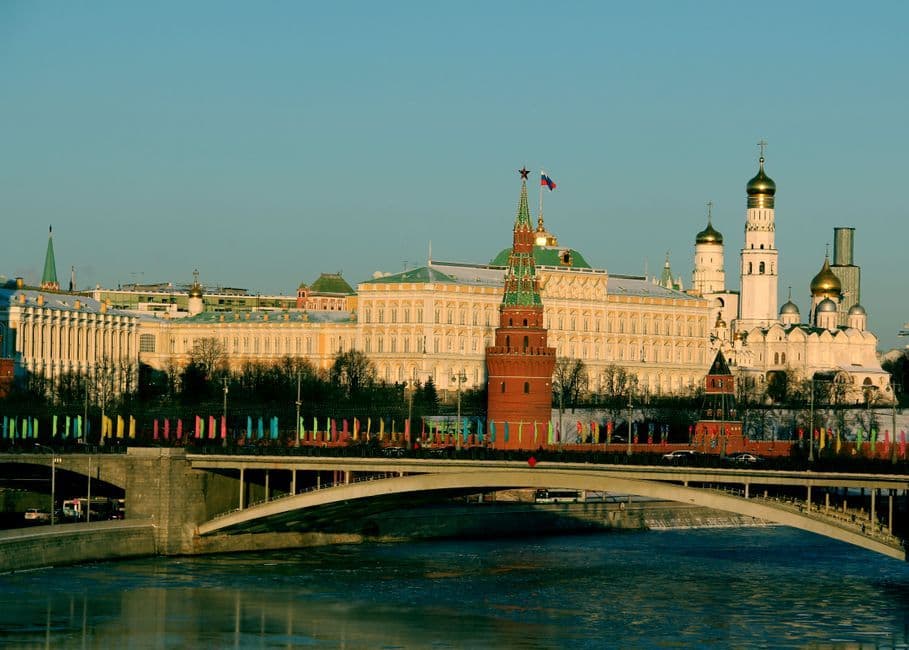
Stock photo for illustration only, not from the actual event
- United Russia secured a constitutional majority in the State Duma as widely expected.
- The anti-war Yabloko party was removed from the ballot by the Supreme Court within 12 days.
- A large-scale drone attack hit the Moscow region ahead of the final day of voting, killing three people.
- The Kremlin is expected to use the election results to justify its future wartime policies.
The outcome of Russia's parliamentary election held few surprises. Within a political system tightly controlled by the Kremlin, the ruling United Russia party, backed by President Vladimir Putin, was heavily favored to maintain its position as the largest faction in the State Duma by a wide margin.
This predictable victory unfolded after more than four and a half years of war in Ukraine, which has caused heavy battlefield casualties for the Russian military, severe economic strains, and widespread petrol shortages driven by Ukrainian drone strikes on Russian oil facilities. Other opposition parties that cleared the 5% threshold to enter the new parliament were identical to those in the previous pro-Kremlin legislature.
In contrast, Yabloko, the sole anti-war political party permitted to participate, faced a swift disqualification. Just twelve days after securing official registration, the party list was struck down by the Supreme Court due to mounting Kremlin concerns over the public traction of its peace platform. Although roughly a hundred Yabloko candidates ran as individual constituency candidates, preliminary figures indicate none secured a seat.
"What other result can there be if there were ten parties on the ballot and they all support the policies of Putin?"
Nikolai Rybakov, Yabloko Party Chairman
Ahead of the final day of the three-day election, Ukraine launched a massive drone offensive targeting the Moscow area, resulting in three deaths in the Moscow Region and a strike on a capital oil refinery. Voters near the facility displayed a quiet resignation rather than shock, with Muscovites increasingly accustomed to their city acting as a frontline as the war enters its fifth year.
The Russian parliamentary election underscores the consolidation of executive power under the Kremlin during a protracted military conflict. By sidelining genuine political opposition, the new State Duma is positioned to rubber-stamp future executive decisions, raising international scrutiny regarding Moscow's next steps in the ongoing war with Ukraine.
The central uncertainty moving forward is how the Kremlin will leverage this electoral outcome. While President Putin recently dismissed the prospect of another military mobilization wave, stating no current scenario requires it, societal anxiety regarding potential future conscription remains pervasive across Russia.
Source: BBC World
Found something wrong in this article? Report an issue with this article
Comments
Leave a Comment