

Iran and US Trade Strikes, Shattering Brief Lull in Fighting
Hostilities between the US and Iran flare up again with missile and drone exchanges, sending global oil prices surging.
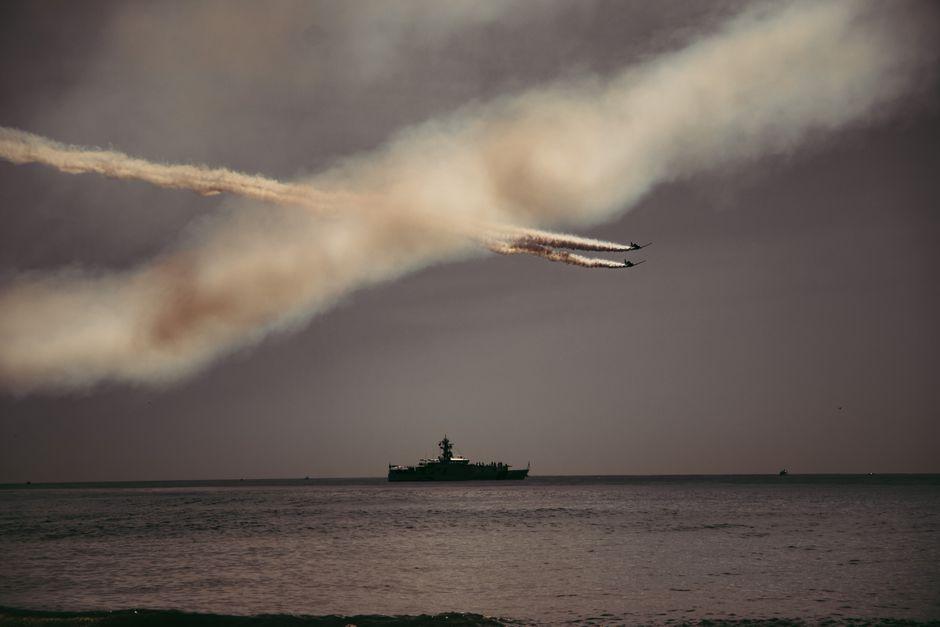
Stock photo for illustration only, not from the actual event
- US and Iran trade strikes, shattering a brief pause in hostilities.
- US and Saudi forces target Iran-aligned groups in Iraq in retaliation.
- Global benchmark Brent crude rises 4.3% to $87.70 a barrel.
- Pentagon reports at least 624 US service members wounded since February.
Hostilities between the United States and Iran have reignited after both nations traded strikes, abruptly ending a brief period of calm that negotiators had hoped would pave the way for renewed talks. The sudden escalation highlights the fragile security landscape in the Middle East and the persistent risk of a wider regional conflict.
According to the US Central Command, or Centcom, the attack took place at 17:45 EDT on Tuesday, with all incoming missiles successfully intercepted. Meanwhile, Iran stated that it had specifically targeted a US base located in Jordan.

Stock photo for illustration only, not from the actual event
In a coordinated response, the US military and Saudi Arabian forces struck multiple Iran-aligned terrorist logistics and weapons sites in eastern Iraq. The military action came in retaliation for earlier drone attacks directed by Tehran. Earlier on Tuesday, Saudi Arabia reported that its military defense systems had intercepted and destroyed drones targeting petroleum facilities in the kingdom's eastern region, with Ministry of Defence spokesman Major General Turki al-Maliki alleging the drones were launched by Iran-affiliated militias inside Iraq.
The renewed violence comes just a day after US President Donald Trump spoke optimistically of very friendly negotiations with Iran, noting that the two sides had gone three consecutive days without exchanging strikes. That previous pause followed a grueling 13-night bombing campaign by the US military, which claimed to have destroyed bridges and tunnels in southern Iran resulting in scores of casualties.
The rapid unraveling of the ceasefire underscores the immense difficulty of achieving a lasting diplomatic breakthrough in the region. Control over the Strait of Hormuz remains a critical bottleneck for global energy supplies, making any military friction in the corridor an immediate catalyst for market panic and supply disruption fears.
Adding to the tension, Iran's Islamic Revolutionary Guard Corps claimed to have struck three oil tankers in the Strait of Hormuz, according to the Tasnim News Agency. Consequently, oil prices climbed sharply during Asian morning trading on Wednesday, with Brent crude rising 4.3% to $87.70 a barrel and US-traded oil increasing 4.2% to $82.62 amid fears of energy shipping disruptions. Recent Pentagon data also revealed that at least 624 US military service members have been wounded since the conflict began in February.
Source: BBC World
Found something wrong in this article? Report an issue with this article
Comments
Leave a Comment