

Yemenis flee across Red Sea as Houthis and Saudi forces clash
Over 120,000 Yemenis have been displaced as intense fighting between Houthis and Saudi-backed forces forces refugees across the Bab al-Mandab Strait to Djibouti.
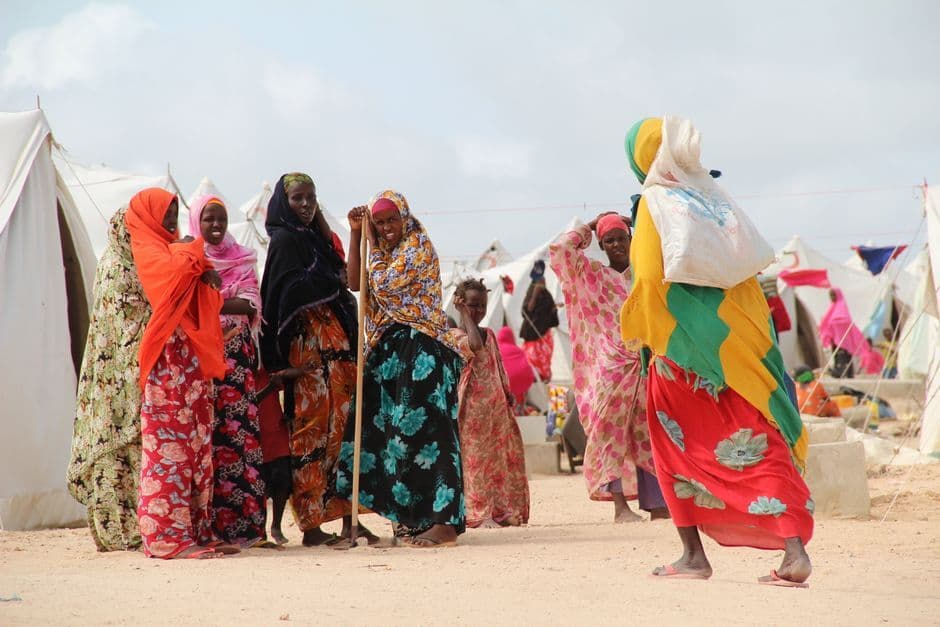
Stock photo for illustration only, not from the actual event
- Over 120,000 Yemenis displaced by a sudden surge in Red Sea coastal fighting
- Refugees cross the Bab al-Mandab Strait by boat and trek to Markazi camp in Djibouti
- Saudi Arabia launches hundreds of airstrikes as Houthis advance and fire drones
- The collapse of a 2022 UN-brokered truce rekindles the devastating civil war
Ibrahim Issa, 50, originally from the Yemeni coastal town of Dhubab, sits directly on the frontline of the brutal conflict between Houthi rebels and Saudi-backed pro-government forces.
Today, surrounded by his family, he rests on a tarpaulin spread over the sandy floor of a vast open-sided warehouse at Markazi camp in Obock, northern Djibouti. The facility is packed with Yemeni families who made the dangerous sea crossing across the narrow Bab al-Mandab Strait before traveling by truck and foot.
As a fisherman, Ibrahim already owned a boat large enough to evacuate his family, along with several goats. In just the past few days, more than 3,000 refugees, many of them entire families, have arrived at the camp jointly administered by the government and the United Nations.
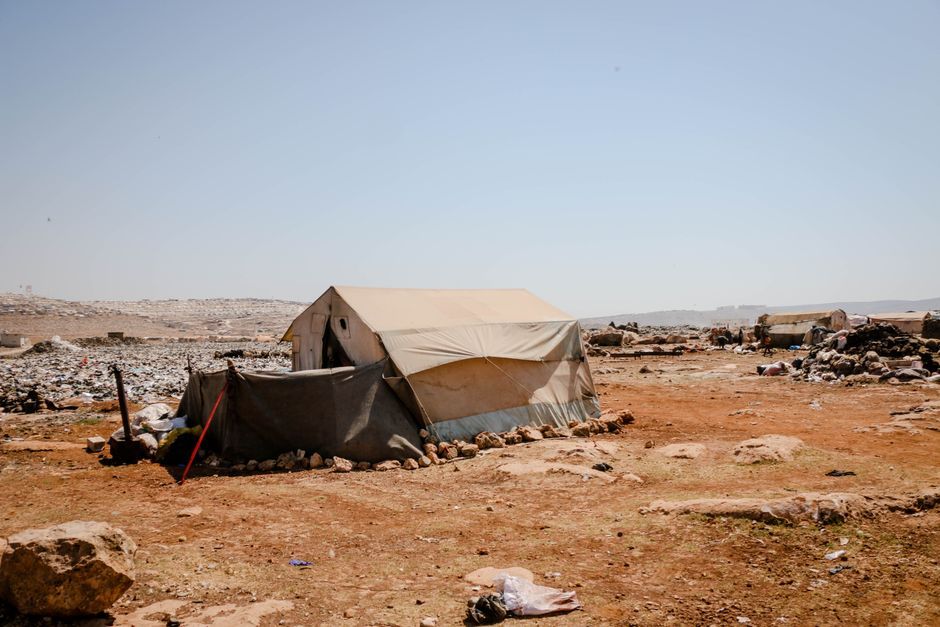
Stock photo for illustration only, not from the actual event
The escalation began when Houthi forces, who previously seized major populated areas in Yemen, made a rapid dash down the coast toward the strategic maritime chokepoint connecting the southern Red Sea to the Gulf of Aden. In response, Saudi Arabia has launched hundreds of airstrikes along the flat coastal plain, while the Houthis have fired numerous drones and missiles at infrastructure in southwestern Saudi Arabia.
The conflict in Yemen highlights a critical geopolitical pressure point. The Bab al-Mandab Strait is a vital global trade chokepoint for oil and maritime shipping, meaning that regional escalation carries profound economic and energy implications worldwide far beyond the immediate humanitarian tragedy.
Furthermore, Djibouti's heavy military footprint—hosting major permanent bases for the United States, France, and China—underscores the tense strategic importance of the Horn of Africa amid Middle Eastern conflicts.
Djibouti, a small former French colony situated just across the water, maintains that it will not enter the war directly. Yet, the nation remains one of the most heavily militarized regions in Africa, hosting major strategic foreign military installations.
"We are willing to go back in peace if peace returns to our country, and we are praying to God that peace does return. All we need is peace, even for our children's future, they get safety first, then food, water and an education."
Aisha Abdulkadir Mohammed
Among those enduring the harsh conditions at Markazi camp is Mohammed Abdullarim, a 63-year-old former tour guide from Aden who has lived in the camp since fleeing the initial 2015 outbreak of war. Overcome by the enduring tragedy of his homeland—which has suffered tens of thousands of deaths and widespread displacement since 2014 following the breakdown of the 2022 UN truce—he turned his head away, holding back tears as he contemplated an uncertain future.
Source: BBC World
Found something wrong in this article? Report an issue with this article
Comments
Leave a Comment