

Merz vows to keep coalition together for Germany's democratic future
Friedrich Merz faces mounting political pressure after the CDU suffers heavy state election defeats in Mecklenburg-Vorpommern and Berlin against the far-right AfD.
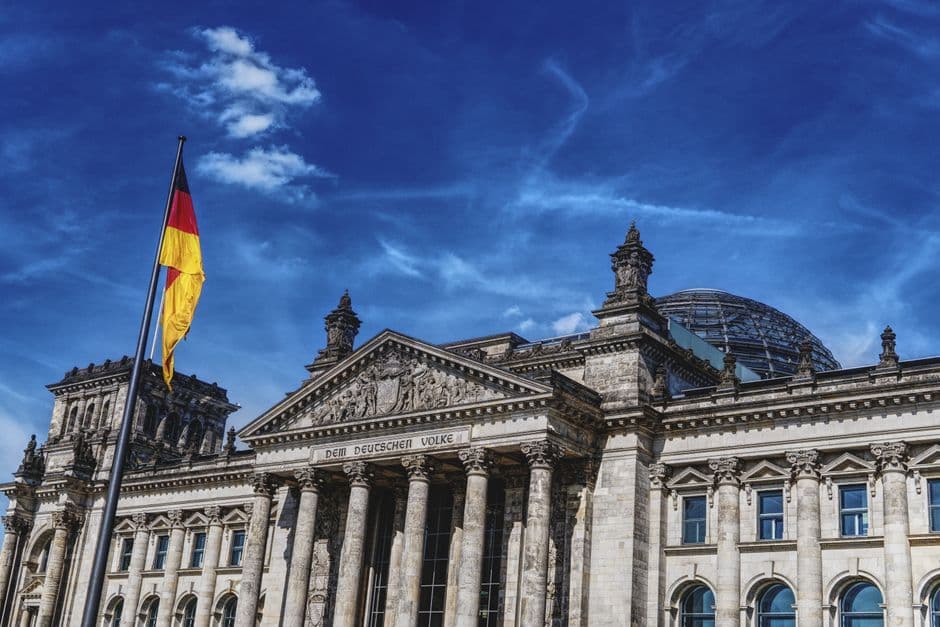
Stock photo for illustration only, not from the actual event
- Friedrich Merz vows to maintain the governing coalition for Germany's democratic future.
- The far-right AfD wins Mecklenburg-Vorpommern while the CDU fails to enter the state parliament.
- In Berlin, the left-wing Die Linke wins the most votes and promises to tackle the housing crisis.
- Merz dismisses rumors of stepping down amid ongoing speculation over his low approval ratings.
German leader Friedrich Merz is facing intense political turbulence after his ruling coalition, formed by his Christian Democratic Union (CDU) party and the Social Democratic Party (SPD), suffered stinging defeats in Sunday's state elections. These election setbacks have sharply increased pressure on his leadership as the country confronts critical national challenges.
Speaking at a news conference on Monday, Merz described the election outcome in the north-eastern state of Mecklenburg-Vorpommern as a heavy blow and a profound turning point for the centre-right CDU, acknowledging it as a dramatic and unprecedented result in Germany. In that election, the far-right Alternative for Germany (AfD) party won the most votes, while the CDU failed to even reach the threshold required to secure seats in the state parliament.

Stock photo for illustration only, not from the actual event
Meanwhile, in Berlin, the CDU came in second place behind the hard-left Die Linke party, with the AfD also recording significant gains. These defeats arrived just a fortnight after the CDU saw its vote share halved in the state of Saxony-Anhalt, where the AfD secured a major victory.
"This election is a profound turning point. It is a dramatic, unprecedented result for the CDU in Germany."
Friedrich Merz
Although the AfD won the most votes in Mecklenburg-Vorpommern, it fell far short of an absolute majority and is unlikely to form a government as other political parties refuse to cooperate with it. While domestic intelligence designates certain regional branches of the AfD as right-wing extremist—a label the party strongly rejects—its anti-immigration, Germany-first, and pro-Russia platform has found strong support in the country's former communist eastern region.
This political crisis underscores the growing challenge traditional mainstream parties face against rising populist movements across Germany. Socioeconomic pressures, particularly soaring urban rental costs and divergent policy directions, have fueled voter discontent and shifted political dynamics in major regional strongholds, keeping chancellor stability under constant scrutiny.
In the capital, Die Linke's victory under the leadership of Elif Eralp paves the way for the party to take power through a coalition. Eralp pledged to address unaffordable rent prices and prioritize the public, noting that Berlin voters opted for a policy change. During the campaign, Eralp promised to expropriate over 200,000 housing units from private landlords, a move Merz has vowed to block through legislation to protect foreign investment.
Source: BBC World
Found something wrong in this article? Report an issue with this article
Comments
Leave a Comment