

Spain Battles Climate Change: Wildfires and Droughts
Spain confronts escalating climate crises as record-breaking wildfires burn over 80,000 hectares and soaring temperatures threaten its economy and tourism.
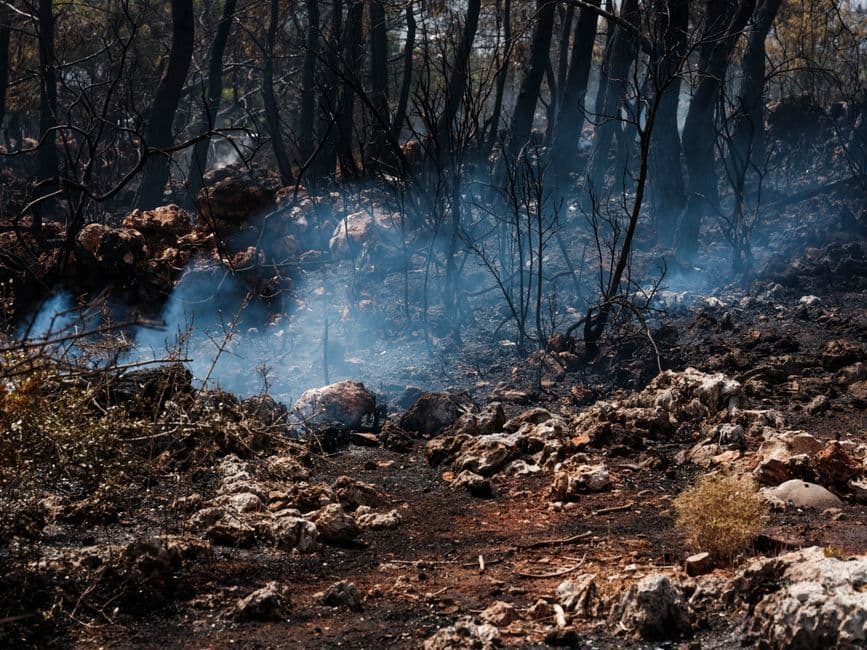
Stock photo for illustration only, not from the actual event
- Spain faced its largest wildfire on record, destroying around 80,000 hectares in late July.
- Research reveals global warming made extreme weather in Spain and Portugal 40 times more likely.
- Agriculture and the tourism industry are severely impacted by prolonged, record-breaking heatwaves.
- Severe droughts and flash floods claimed 237 lives in the Valencia region, causing massive damages.
In a small green meadow in the Gredos mountains west of Madrid, a couple of dozen cows belonging to Juan Ángel Izquierdo and his family graze peacefully to the sound of neck bells. This idyllic scene, however, is starkly contrasted by blackened pine and oak trees surrounding the area, serving as the grim legacy of a devastating recent wildfire that swept through the region in late July.
The massive blaze merged with two others, consuming approximately 80,000 hectares or 200,000 acres, making it the largest recorded wildfire in Spanish history. The fire destroyed over two-thirds of Izquierdo's land, killed 12 of his 85 cows, forced the euthanasia of eight other injured animals, and incinerated all his winter hay reserves. Such catastrophic events highlight how wildfires have become a profound symptom of climate change, severely impacting Spain's economy and human lives.
World Weather Attribution, an international research organization, discovered that extreme conditions driving record-breaking fires in Spain and Portugal were made 40 times more likely by a warming climate. Ernesto Rodríguez Camino, president of the Spanish Meteorology Association, noted that greenhouse gases from fossil fuels are the ultimate driver behind the increasing frequency and intensity of these blazes. Prime Minister Pedro Sánchez also emphasized the deadly reality of the environmental crisis following a fatal wildfire in Almería.
"The climate emergency kills."
Pedro Sánchez, Spanish Prime Minister
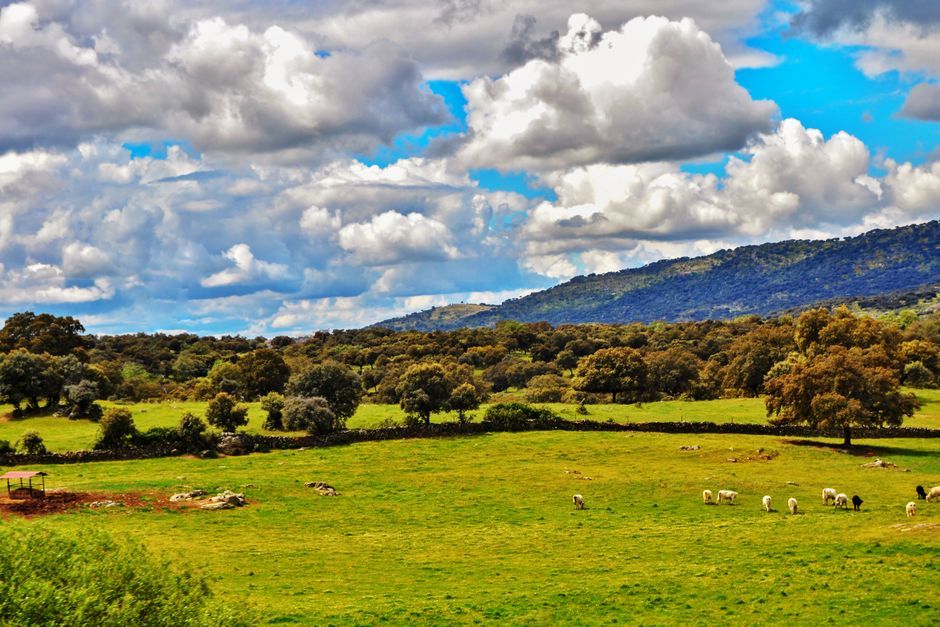
Stock photo for illustration only, not from the actual event
According to the European Forest Fire Information System (EFFIS), roughly 300,000 hectares of land have burned in Spain this year, accounting for about half of the total affected area in the European Union. Meanwhile, farming insurance association Agroseguro estimated that 16,000 hectares of crops were destroyed by mid-August, dealing a severe blow to Spain's agri-food industry, which contributes 9% to the nation's GDP.
The ongoing crisis in Spain illustrates a complex domino effect across economic and environmental sectors. Rising temperatures not only devastate ecosystems and agricultural outputs but also force Spain's vital tourism industry to adapt rapidly. Trends like 'coolcations' and shifting travel seasons toward cooler months reflect changing global consumer behaviors driven directly by climate shifts.
Tourism, a core pillar of Spain's economy expected to attract nearly 100 million foreign visitors this year, is also facing pushback from intense heat. Researchers at Rey Juan Carlos University in Madrid found that extreme temperatures act as a deterrent for travelers. The historic city of Toledo experienced consecutive days of temperatures soaring above 40C this summer, forcing tour guides and visitors to adapt by scheduling frequent water and shade stops.
Beyond fires and heatwaves, Spain continues to grapple with water scarcity and extreme hydrological disruptions. In October 2024, catastrophic flash floods centred around the Valencia region claimed 237 lives. Described by meteorological research group Climatoc-Lab as a manifestation of global warming altering the hydrological cycle, the disaster resulted in €4.5 billion in direct damages as estimated by the Valencia Chamber of Commerce.
Source: BBC Science & Environment
Found something wrong in this article? Report an issue with this article
Comments
Leave a Comment