

US and Iran hold first talks after Trump annihilation threat
Top US and Iranian officials met at the UN in New York as Donald Trump warned of swift military annihilation if no deal is reached.

Stock photo for illustration only, not from the actual event
- Top US and Iranian officials held renewed talks at UN headquarters in New York.
- Donald Trump threatened swift annihilation of Iran if a diplomatic deal fails.
- The meeting comes amid the ongoing closure of the Strait of Hormuz affecting global energy supplies.
Senior officials from the United States and Iran have held direct talks for the first time since a June ceasefire collapsed. The meetings took place at United Nations headquarters in New York, with Qatar facilitating the diplomatic exchanges throughout the day.
The talks involved Iran's foreign minister and Steve Witkoff, special envoy for US President Donald Trump. While no immediate breakthrough was announced, Witkoff later confirmed on social media that discussions were conducted through mediators on the sidelines of the UN General Assembly.
The diplomatic engagement coincided with an address by President Trump at the UN General Assembly, where he delivered harsh warnings regarding the ongoing conflict. The US leader questioned whether he should pursue an agreement or opt for the swift military destruction of the Islamic Republic.
"Or do I annihilate the Islamic Republic and do it quickly, never giving them a chance to kill and destroy people and countries again?"
Donald Trump
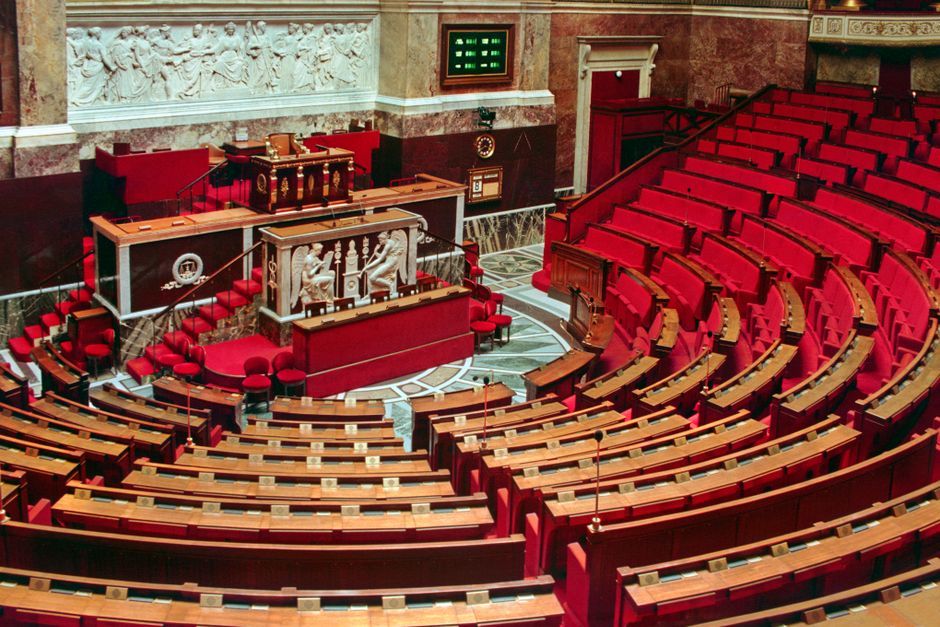
Stock photo for illustration only, not from the actual event
Despite the three-hour meeting described by officials as productive, Tehran has maintained its demand that the US and Israel halt military operations. The conflict escalated significantly after strikes began on 28 February, leading to the closure of the vital Strait of Hormuz and causing severe price fluctuations in global energy markets.
The strategy of coercive diplomacy employed by the US administration combines severe economic and military pressure with open channels for negotiation through intermediaries. With US congressional elections approaching in November, resolving the energy price volatility and foreign policy crises remains a critical priority for the White House.
Both nations continue to exchange intermittent fire while economic blockades remain in place against Iranian ports and shipping lanes. International observers note that despite ongoing diplomatic shuttling, fundamental positions on regional security and military campaigns have not yet shifted.
Source: BBC World
Found something wrong in this article? Report an issue with this article
Comments
Leave a Comment