

UK to introduce new vocational GCSEs from 2029
England will introduce new vocational GCSEs for 14-year-olds starting in 2029 alongside core academic subjects, backed by a 200,000 work placement target.

Stock photo for illustration only, not from the actual event
- England will launch new vocational GCSEs for 14-year-olds starting in 2029
- Subjects will include construction, business management, and child development
- A national target aims to secure 200,000 work experience placements for under-16s
- Experts warn of challenges regarding specialized staff recruitment and school funding
England is set to shake up its secondary education system by introducing new vocational GCSEs for 14-year-olds, which will roll out from 2029 alongside existing core academic subjects. These new qualifications aim to better equip teenagers for the modern workforce.
The upcoming vocational subjects are expected to cover fields such as building and construction, business management and finance, and child development. They will gradually replace current qualifications at this level, including BTec tech awards, with national standards set by the regulator Ofqual to align grading with traditional GCSEs.

Stock photo for illustration only, not from the actual event
As part of these sweeping educational reforms, Prime Minister Andy Burnham is establishing a national target for employers to help create 200,000 work experience opportunities specifically tailored for teenagers under the age of 16.
"Any new qualifications had to add value to what was already on offer and labelling them as GCSEs might help with credibility."
Martin Haworth, Executive Headteacher at Wright Robinson College
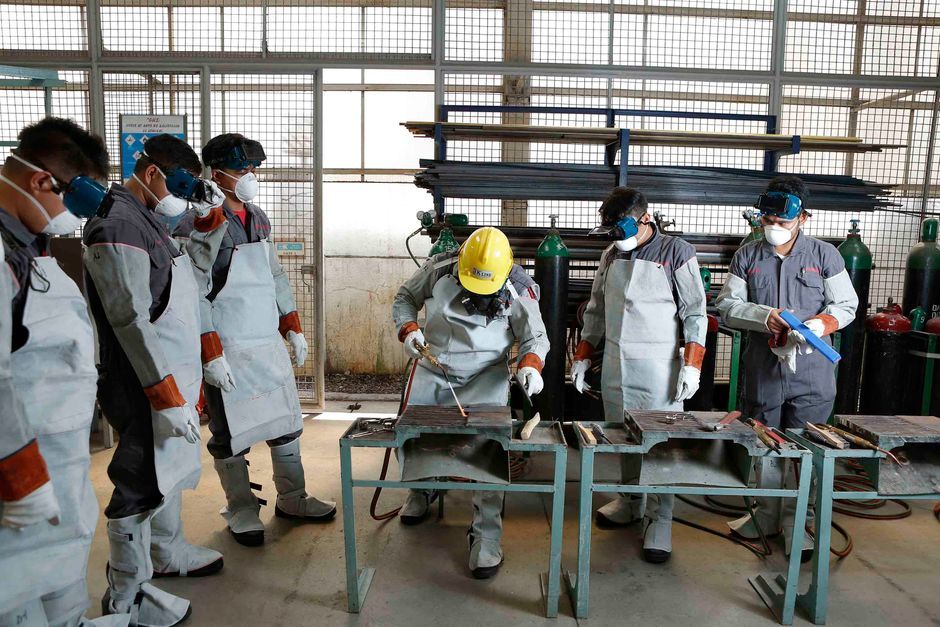
Stock photo for illustration only, not from the actual event
Integrating robust vocational pathways into secondary schools represents a major shift designed to bridge the gap between classroom learning and practical industry demands. However, institutional hurdles remain significant, particularly regarding the recruitment of qualified technical instructors and the financial investment needed to upgrade school facilities for hands-on learning environments.
Reactions to the announcement have been mixed. While education unions welcomed the initiative, they stressed the critical need for a sustained strategy and proper resource allocation. Meanwhile, critics have raised concerns that pushing vocational routes too aggressively might lower academic expectations for disadvantaged pupils.
Source: BBC Politics
Found something wrong in this article? Report an issue with this article
Comments
Leave a Comment