

Iran President Tells Trump It Will Never 'Bend the Knee'
Iranian President Masoud Pezeshkian says Tehran will never bow to pressure while demanding an end to the US maritime blockade.
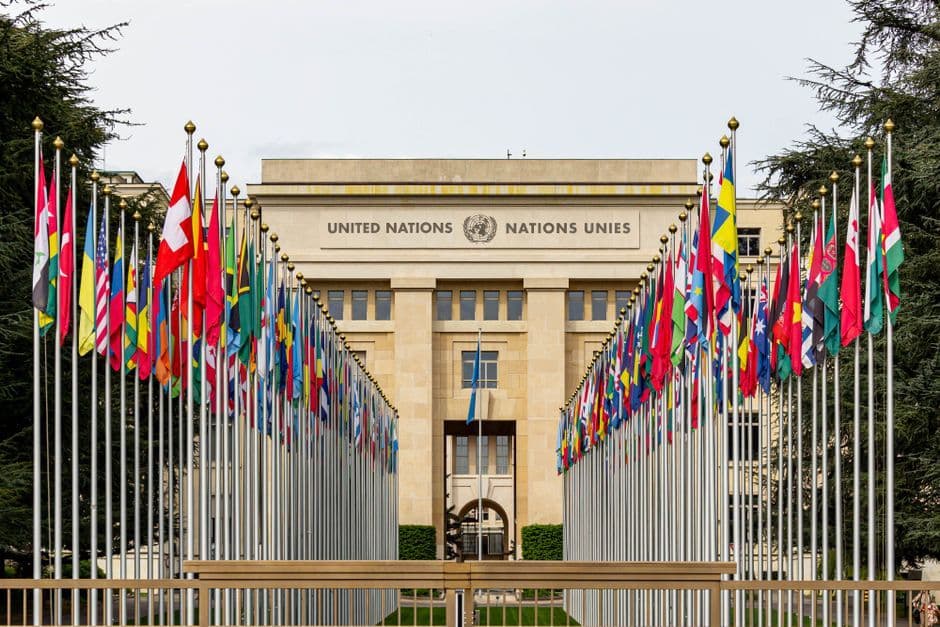
Stock photo for illustration only, not from the actual event
- Iranian President Masoud Pezeshkian vows never to bend the knee to US pressure.
- Demands an immediate end to the US blockade stopping Iranian ships in the Gulf.
- Reiterates that Iran will pursue civilian nuclear technology without building nuclear weapons.
- US and Iranian officials hold indirect talks mediated by Qatar in New York.
Iranian President Masoud Pezeshkian has firmly declared that his nation will never bow its head or bend the knee in the face of mounting sanctions and US pressure. Speaking on the international stage, Pezeshkian characterized such threats as a sign of a bullying mentality, while maintaining that Tehran remains prepared for meaningful diplomacy and dialogue free from coercion.
During his address, Pezeshkian displayed photographs of late Supreme Leader Ayatollah Ali Khamenei, who was killed in a joint US-Israeli strike on his residence in February. He also presented graphic images documenting civilian casualties, noting that over 175 people, two-thirds of them children, were killed in missile strikes on a primary school in Minab and a sports complex in Lamerd on that same day, an incident the US stated it is still investigating.
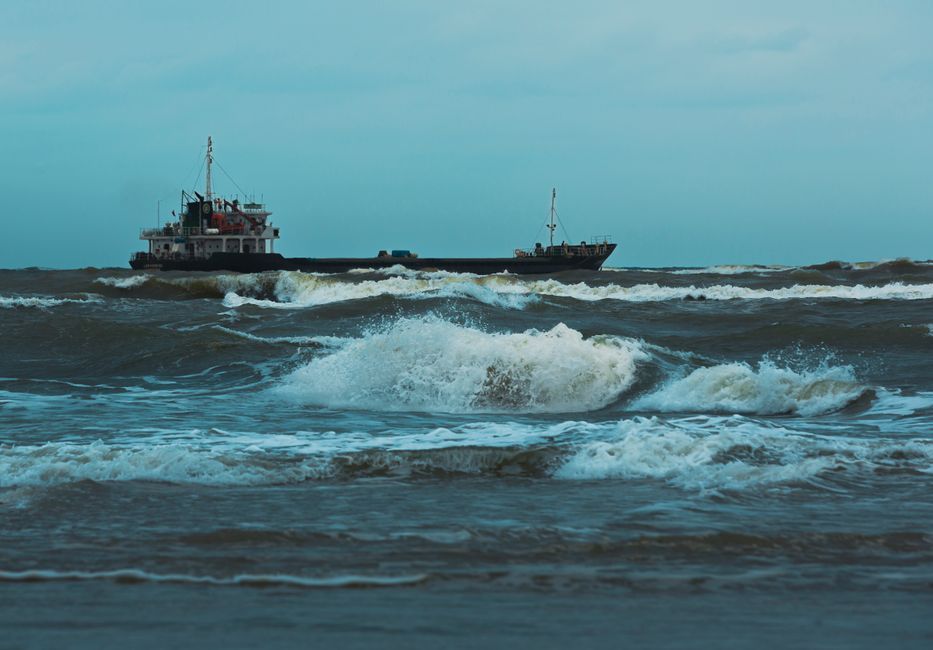
Stock photo for illustration only, not from the actual event
Pezeshkian insisted that any prospective agreement must include the complete termination of the US naval blockade, which currently prevents Iranian vessels from utilizing vital Gulf waterways. He argued that it is unjust for global commerce to benefit from the Strait of Hormuz while Iran is denied access. Furthermore, he reaffirmed Tehran's commitment to a peaceful civilian nuclear program, explicitly stating there will be no nuclear weapons.
"We will never bow our head or bend the knee."
Masoud Pezeshkian
The geopolitical standoff in the Strait of Hormuz remains a critical bottleneck for global energy markets, handling a significant portion of worldwide oil shipments. The ongoing cycle of naval blockades and retaliatory shipping attacks highlights the fragile nature of previous preliminary agreements, making the Qatari-mediated indirect talks in New York a vital diplomatic channel.
Parallel developments on Wednesday included the condemnation by India's foreign ministry regarding an attack on a cargo ship in the Strait of Hormuz that resulted in the death of an Indian sailor. Meanwhile, US envoy Steve Witkoff and Iranian Foreign Minister Abbas Araghchi engaged in indirect negotiations on the sidelines of the UN General Assembly, with mediators expressing hope for constructive progress.
Source: BBC World
Found something wrong in this article? Report an issue with this article
Comments
Leave a Comment