

Andy Burnham Wants to Fix Social Care: What Are the Options?
Andy Burnham announces cross-party talks and accelerates a social care review to 2027, as BBC Verify outlines four potential reform options.
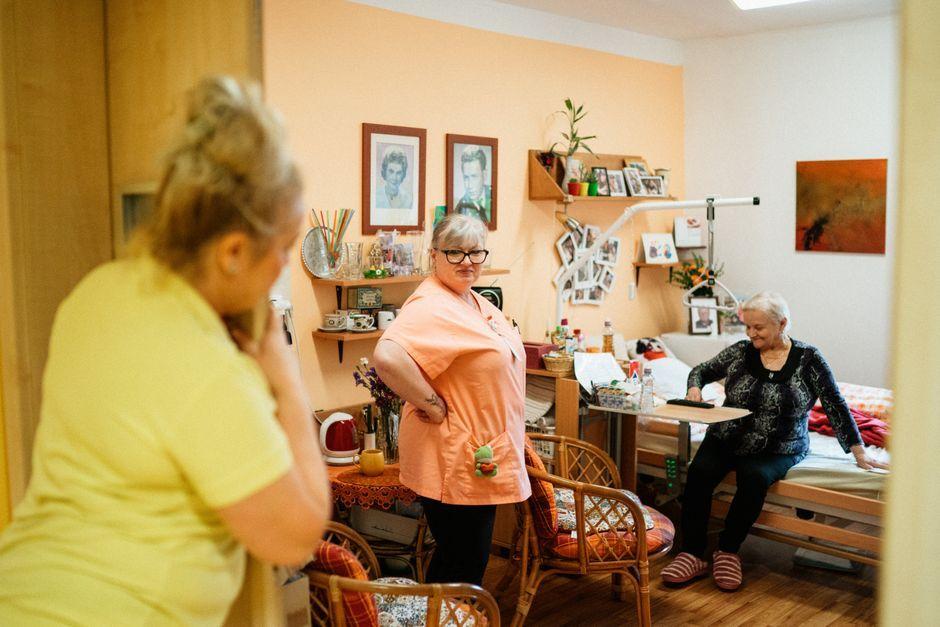
Stock photo for illustration only, not from the actual event
- Andy Burnham announces cross-party talks and accelerates Baroness Casey's review to 2027.
- Around one in seven people aged 65 and over face lifetime care costs exceeding £100,000.
- BBC Verify highlights four reform approaches including cost caps, means test adjustments, free personal care, and a national service.
- Previous reform attempts have repeatedly faced delays and policy reversals due to public finances.
During a speech at a care home on Wednesday, Andy Burnham announced that cross-party talks involving the Conservatives and Liberal Democrats would commence shortly. He also stated that he had requested Baroness Casey, who is conducting a review of social care, to bring forward her report by a year, with recommendations now set to be delivered in 2027. He confirmed that her review will also examine how to fund any resulting reforms.
BBC Verify has examined four different approaches to reform and evaluated their potential costs. Many individuals face exceptionally high expenses for care at the end of their lives, with estimates indicating that roughly one in seven people aged 65 and over incur lifetime care costs surpassing £100,000.

Stock photo for illustration only, not from the actual event
The first proposal involves capping these expenses, with the government covering bills exceeding a specific cash threshold. Back in 2011, a commission led by economist Andrew Dilnot proposed a lifetime cap of £35,000, estimating annual costs between £1.3bn and £2.2bn, figures that would now be higher due to inflation and an aging population. Although David Cameron's coalition government accepted the recommendations, the implementation was delayed to 2020 following the 2015 election due to public finance pressures. In 2017, Theresa May's manifesto proposed factoring home values into means testing without a lifetime cap, a plan critics dubbed a dementia tax before it was eventually dropped.
An alternative approach is to significantly raise the means test threshold. Currently in England, individuals qualify for local authority financial support in residential care if their total assets and home are worth less than £23,250. In 2021, Boris Johnson's government planned to raise this threshold to £100,000 at an annual cost of £1.8bn over three years, though this was later scrapped by successors wanting to keep taxes down.
Social care reform in the UK remains a complex policy challenge because any sustainable funding model requires balancing massive public expenditure demands with voter resistance to tax hikes, prompting ongoing debates over shared responsibility between the state and individuals.
A third option ensures that everyone eligible receives state-funded personal care free at the point of use, regardless of personal wealth, covering tasks like washing and dressing while excluding accommodation and food. The Health Foundation estimates that implementing a Scottish-style model in England would cost £7.5bn a year by 2036, while countries like Japan and Germany utilize mandatory long-term care insurance funded by worker and employer contributions.
Finally, establishing a national care service comparable to the NHS would make all personal care universally free while setting national standards. The Health Foundation estimates this comprehensive system would cost an extra £19bn a year by 2036. Andy Burnham previously proposed a national care service funded through estate contributions in 2010, and Labour mentioned the concept again in 2024 before Keir Starmer commissioned Louise Casey to report back in 2028. Notably, these four approaches are not mutually exclusive and have often been combined in past proposals.
Source: BBC Business
Found something wrong in this article? Report an issue with this article
Comments
Leave a Comment