

Natthaphong Hits Back at Paradorn on Flood Crisis
Natthaphong Ruangpanyawut insists public issues are political, planning an Ayutthaya visit on Sept 25, 2026, to inspect flood retention basins.
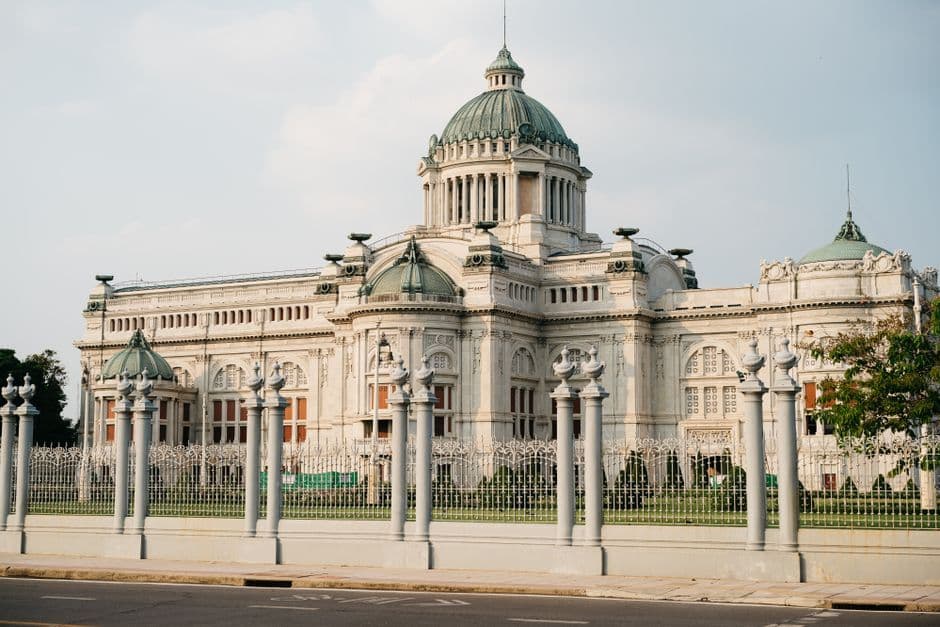
Stock photo for illustration only, not from the actual event
- Natthaphong Ruangpanyawut insists all public grievances are inherently political issues.
- He scheduled a field trip to Phra Nakhon Si Ayutthaya on September 25, 2026, to inspect retention basins.
- He urged the government to adopt a fishbone drainage strategy and identify vulnerable groups swiftly.
On September 25, 2026, at the National Anti-Corruption Commission (NACC) office, Natthaphong Ruangpanyawut, list-MP and leader of the People's Party, addressed the press regarding the government's water management strategy. The controversy stems from the Chao Phraya Dam releasing water, which triggered flooding in downstream areas of Phra Nakhon Si Ayutthaya. Natthaphong pointed out that the current heavy rainfall was entirely predictable, given that the Meteorological Department and relevant agencies had issued advance warnings.
Comparing the recent persistent rainfall patterns to the situation previously seen in Nan province, Natthaphong noted that long-duration, stationary rain is expected to continue for several more days. He emphasized that the most critical priorities for the administration are identifying vulnerable population groups, establishing evacuation centers, providing boats for logistical relocations, and enforcing comprehensive emergency response plans.

Stock photo for illustration only, not from the actual event
Addressing his visit to Phra Nakhon Si Ayutthaya, Natthaphong stated his intention to personally inspect water retention fields on-site. He observed that the Office of the National Water Resources (ONWR) general master plan tends to focus heavily on channeling water strictly through main river courses rather than utilizing retention basins effectively.
"Every public problem is a political issue."
Natthaphong Ruangpanyawut
The People's Party leader also responded to remarks made by Paradorn Pattanatangkul, Minister attached to the Prime Minister's Office, noting mutual agreement on alternative proposals. He advocated for replacing the vertical drainage system with a fishbone drainage model, which would avoid relying solely on primary waterways and instead maximize the capacity of available retention fields.
Thailand's flood management challenges frequently highlight the tension between centralized water diversion and local retention capacity. Proposing a fishbone distribution model points to utilizing natural floodplains and retention paddies to relieve pressure from swollen main rivers, which otherwise overflow into residential zones. Opposition field inspections serve as a political lever to push the administration toward proactive community preparedness and agile emergency responses.
Source: Khaosod Politics
Found something wrong in this article? Report an issue with this article
Comments
Leave a Comment