

Thailand 2026 Floods: Political Pressure and Government Test
The 2026 flooding crisis pressures the government after implementing 9 rainy season measures and alerting 70 provinces plus Bangkok to flash floods.
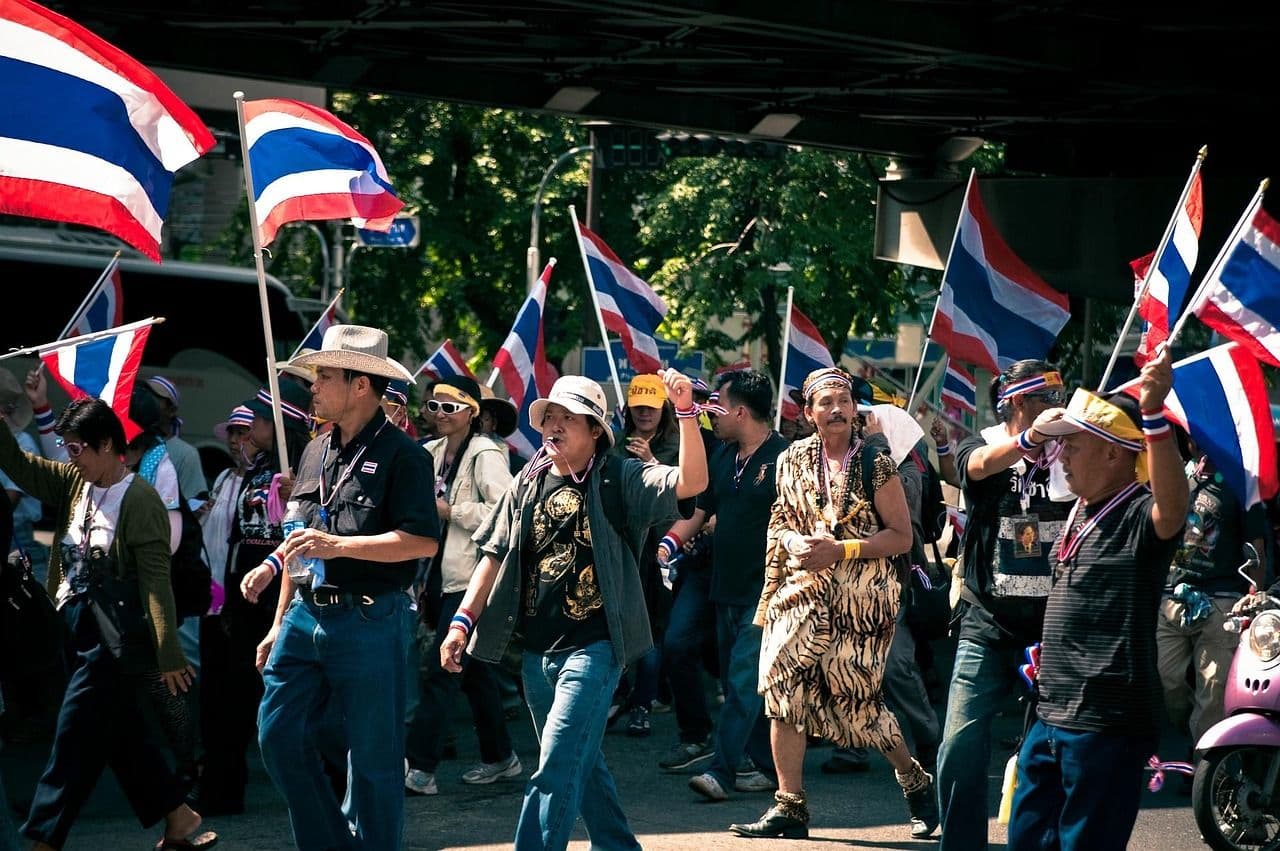
Stock photo for illustration only, not from the actual event
- The government deployed 9 rainy season measures and alerted 70 provinces plus Bangkok
- Ayutthaya residents delivered empty tin cans to parliament to protest the unexpected floods
- The government is pushing for the One Map water system and long-term projects requiring 7-8 years
Amid widespread flooding across multiple regions, political turbulence is rising concurrently. Every time local residents are forced to evacuate and move their belongings away from rising waters, the government faces mounting pressure, particularly as opposition parties fully utilize water management issues to scrutinize state administration.
Regarding the 2026 flood situation, the administration maintains that preparations were made, having implemented nine rainy season measures since June. Most recently, authorities instructed 70 provinces alongside Bangkok to remain on high alert for flash floods, forest runoffs, and overflowing riverbanks. However, the critical question remains regarding how closely boardroom plans align with reality on the ground.
For affected citizens, floods are not merely statistical reports of rainfall, northern water volumes, or tidal surges. Instead, they represent submerged homes, evacuated family members, displaced pets, lost income, and paralyzed livelihoods. This crisis serves as a true test of governmental competence, outweighing cash-handout policies or populist initiatives.
Water management in Thailand consistently faces structural challenges due to geography and climate change, leading to high forecasting discrepancies. Public protests highlight the persistent gap between macro-level planning and grassroots execution that requires immediate attention.
While financial relief may temporarily ease hardship, it fails to answer why specific areas experience recurrent flooding year after year. Citizens urgently seek to know whether the government accurately predicts arrival times, identifies vulnerable zones, and establishes proactive contingency plans.
A clear example emerged in Phra Nakhon Si Ayutthaya province, where a Bhumjaithai Party MP previously suggested that 2026 might not see flooding and advised preparing for drought instead. When conditions shifted and water levels rose to inundate the area, local residents responded by bringing empty tin cans to parliament to voice their frustration.
Meanwhile, the government is promoting the One Map water information system alongside long-term water management projects. Nevertheless, the reality that these initiatives require seven to eight years to yield concrete results creates an ongoing challenge in managing public expectations during active crises.
Source: Khaosod Politics
Found something wrong in this article? Report an issue with this article
Comments
Leave a Comment