

Job interview iced coffee debate: Can a drink ruin your hire
A TikTok viral video sparks debate over bringing iced coffee to job interviews in the UK amid a shrinking graduate job market.
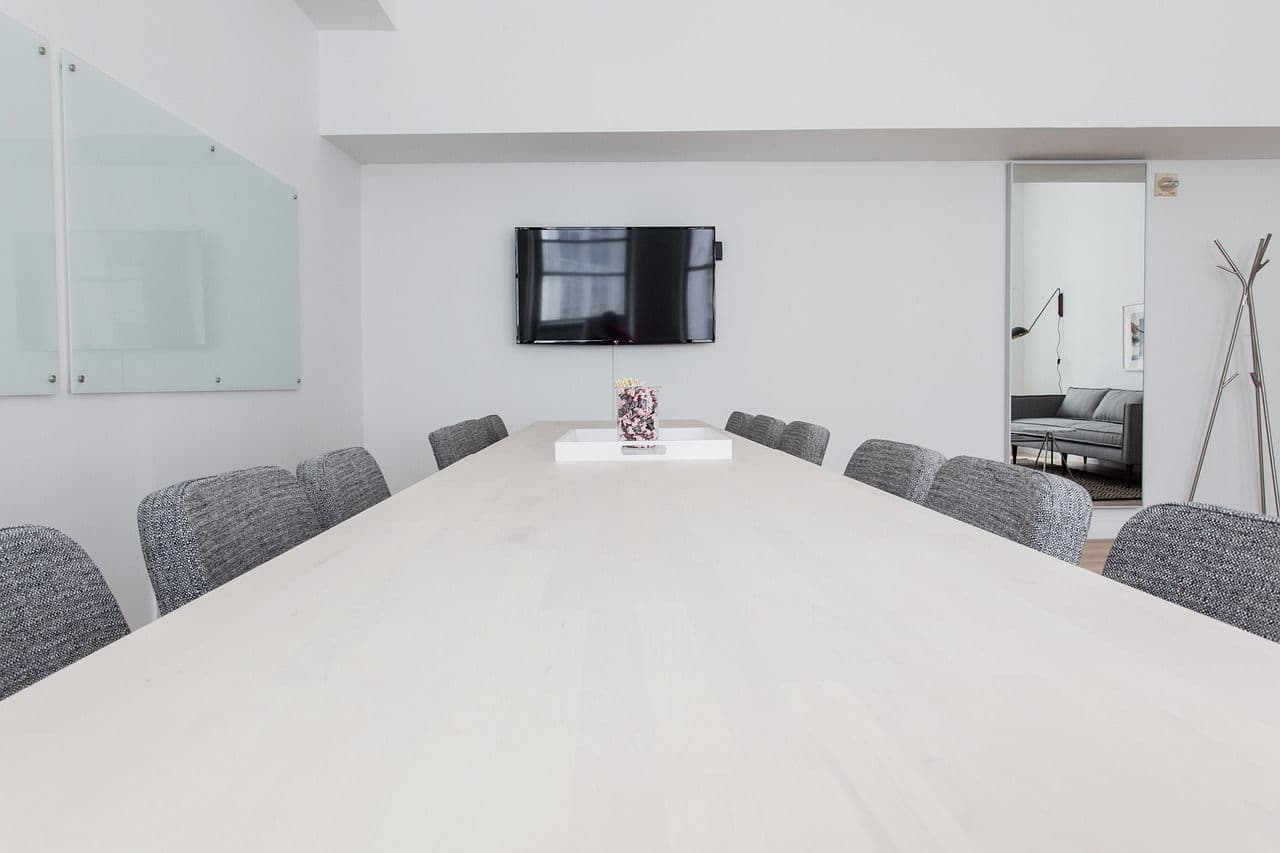
Stock photo for illustration only, not from the actual event
- TikTok viral video sparks debate over iced coffee in job interviews
- Opinions split between unprofessional stigma and personal expression
- UK graduate job market faces steep declines and fierce competition
The question of whether bringing an iced coffee or an iced matcha latte into a job interview could freeze candidates out of the job market has sparked widespread online debate in 2026. Originating from a TikTok video, the discussion centers on whether carrying such a beverage to a professional meeting is an unprofessional distraction or a harmless personal choice.
While some social media users argued that walking into an interview room with a cold brew is too informal and ill-advised, others felt this perspective overreacts to how challenging it is to secure entry-level employment today. In a follow-up LinkedIn post, the original poster clarified that she never intended to suggest that carrying coffee makes someone an unqualified candidate, but rather emphasized the importance of avoiding avoidable distractions.

Stock photo for illustration only, not from the actual event
Reactions among young professionals in London reveal a stark divide in workplace norms. Hanad, a 28-year-old energy sector employee, stated that iced beverages often carry a youthful connotation that might appear too immature for a formal interview setting. While he believes water or hot coffee is acceptable, he would avoid energy drinks and iced coffee alike.
Conversely, 24-year-old colleague Tsvetina argued that candidates should be evaluated on their communication skills rather than arbitrary corporate stigmas or dress codes. Aisha, 28, added that arriving with an iced coffee demonstrates punctuality, showing she had enough time before the meeting to stop and purchase a drink while expressing personality to stand out from other applicants.
These anxieties arise as young job seekers navigate a remarkably tight employment landscape. The number of graduate vacancies in the UK has plummeted by nearly half over the past year as businesses scale back entry-level roles to incorporate artificial intelligence and manage rising operating costs. Furthermore, approximately one in eight individuals aged 16 to 24 are not in education, employment, or training, mirroring a similarly sluggish hiring market across the United States.
"I think people at junior level are very conscious about not doing anything that could jeopardise their chances."
Lucy CooperLucy Cooper, founder of London-based design and branding recruitment firm Spark, noted that the current marketing job market is fiercely competitive. She observed that Gen Z candidates at the junior level exercise extreme caution to avoid any missteps that could jeopardize their career prospects, though accepting a drink offered by an interviewer or sipping one during a video call remains entirely acceptable.
Analyzing this social media debate highlights the ongoing friction between traditional corporate expectations and younger generations valuing authenticity and flexibility. While a beverage choice seems trivial, high unemployment rates and fierce competition mean candidates scrutinize every detail of their presentation, whereas employers ultimately prioritize thorough preparation and core competencies.
Source:
BBC Business
Found something wrong in this article? Report an issue with this article
Comments
Leave a Comment