

Iran says negotiation only path to end Hormuz crisis
Iran's foreign minister stresses diplomacy is the sole solution to end the Strait of Hormuz crisis after Donald Trump rejects the proposed deal.
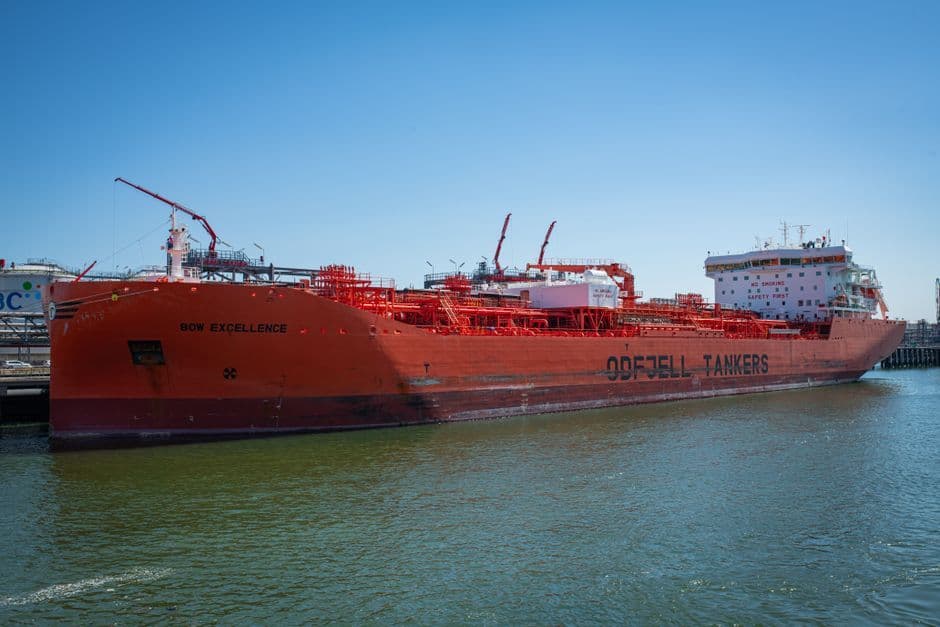
Stock photo for illustration only, not from the actual event
- Iran emphasizes diplomacy is the only viable path to resolve the Strait of Hormuz crisis
- Donald Trump rejects Iran's proposal amid intensified US economic pressure
- Both nations previously held discussions on the sidelines of the UN General Assembly in New York
- Oman, Turkey, and the UAE are actively involved as regional mediators
The geopolitical standoff in the Middle East persists as a top Iranian official reaffirmed that negotiation remains the sole solution to end the ongoing conflict and regional crisis. This comes in the wake of US President Donald Trump rejecting proposals put forward by Tehran regarding the vital Strait of Hormuz.
Earlier, Iranian representatives raised the possibility of reopening the crucial waterway and halting hostilities during talks held on the sidelines of the UN General Assembly in New York over the past week. The vital maritime corridor, through which roughly one-fifth of the global oil and gas supply passes, has remained effectively closed since the outbreak of the war back in February.
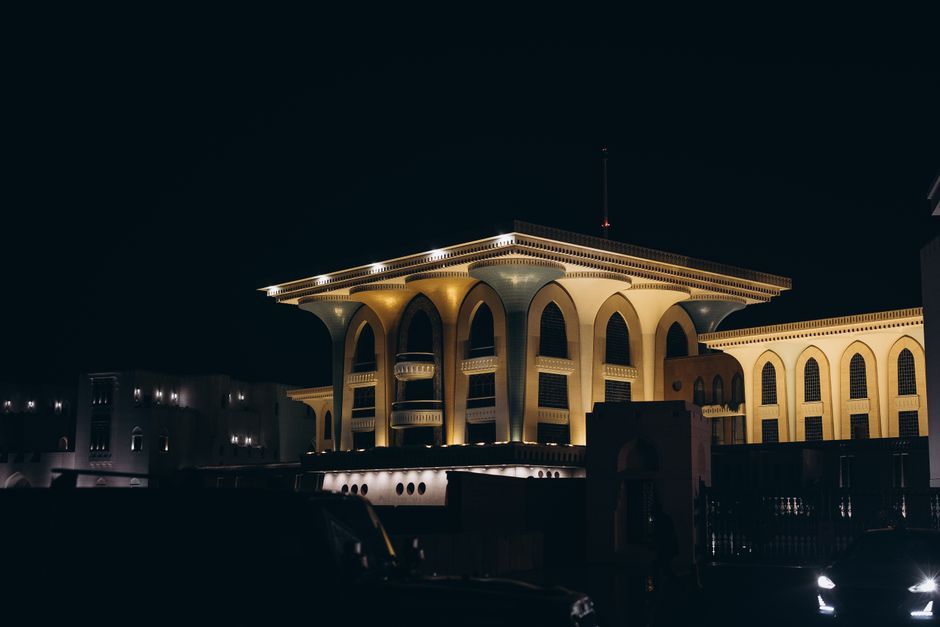
Stock photo for illustration only, not from the actual event
Writing on Telegram, the Iranian foreign minister noted that Donald Trump has frequently made constructive remarks alongside contradictory statements, creating hurdles for diplomatic engagement. He added that the country is currently awaiting mediators to relay definitive positions before making any official decisions.
"We are waiting for the mediators to convey the definitive views to us, and we will make a decision based on them."
Iranian Foreign Minister
Furthermore, Tehran remains open to discussing a phased implementation of the memorandum of understanding (MOU) signed between the US and Iran last June to break the deadlock. However, officials stressed that Washington must demonstrate it has no intention of overthrowing the Iranian government.
The Strait of Hormuz remains one of the world's most critical energy choke points, meaning any disruption directly impacts global crude oil prices and supply chain stability. Oman's mediating role highlights ongoing diplomatic efforts by Gulf nations to prevent a full-scale escalation. Meanwhile, the US administration's economic blockade, dubbed 'Operation Economic Outcast', aims to force Tehran to halt vessel attacks, though its ultimate effectiveness depends heavily on compliance from major trading partners like China.
Washington's rejection of the proposal received backing from US Ambassador to NATO Matthew Whitaker. Meanwhile, US Treasury Secretary Scott Bessent announced on X that economic sanctions are heavily impacting Iran, noting that Turkey, Oman, and the United Arab Emirates have suspended flights from select Iranian carriers, while several banks in the UAE and Turkey have halted transactions with Tehran.
Source: BBC World
Found something wrong in this article? Report an issue with this article
Comments
Leave a Comment