

Serbia President Aleksandar Vucic Resigns, Paving Way for Early Elections
Serbian President Aleksandar Vucic has resigned following over a year of student-led protests over a fatal railway station roof collapse. He is now running for prime minister in the upcoming parliamentary elections.
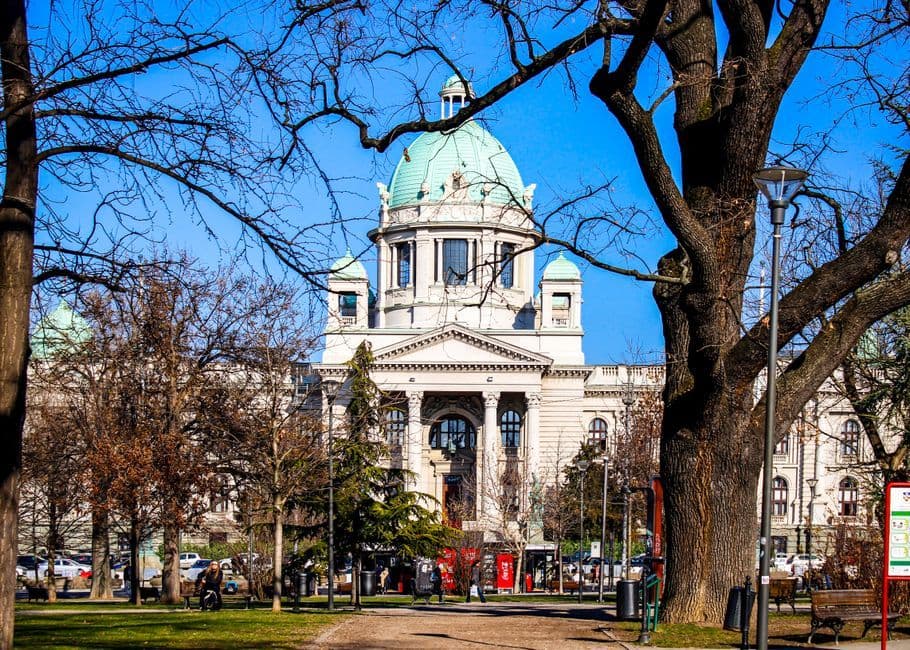
Stock photo for illustration only, not from the actual event
- Serbian President Aleksandar Vucic has stepped down ahead of schedule.
- Public anger surged following the tragic Novi Sad railway station roof collapse in 2024.
- Serbia faces two rounds of national polls before the end of the year.
- Parliament Speaker Ana Brnabic assumes the role of interim president.
Serbian President Aleksandar Vucic has officially stepped down from office following more than a year of relentless, student-led street protests and widespread public anger sparked by allegations of government corruption and infrastructural negligence.
Addressing a crowd of supporters outside the presidential building in the capital of Belgrade, Vucic defended his nine-year tenure by stating that his administration successfully maintained peace and stability throughout his presidency. However, the pro-Russian populist leader's tenure has been heavily marred by persistent public outrage.
The anti-government movement was initially galvanized in late 2024 by the tragic collapse of the Novi Sad railway station roof, which claimed 16 lives. Citizens viewed the disaster as a direct reflection of over a decade of misrule by the ruling Progressive Party, particularly given Vucic's close association with the station's renovation project.
Despite a wave of cabinet resignations intended to appease the public, demonstrations persisted through the summer, eventually intensifying into unrest following accusations of police brutality against the protesters. The coalition of demonstrators grew to encompass students, teachers, workers, and farmers alike.
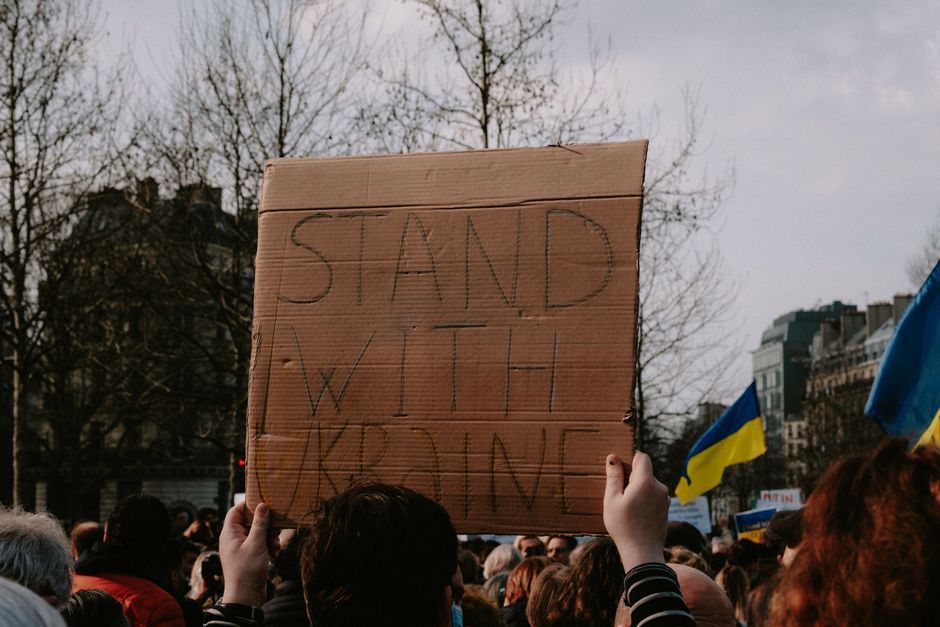
Stock photo for illustration only, not from the actual event
"Our administration has preserved peace and stability during my nine-year tenure."
Aleksandar Vucic
With Vucic's presidential term originally set to expire next year and constitutionally barred from running for a third consecutive term, he has shifted his political ambitions. He is now running as his party's candidate for prime minister in the snap parliamentary elections scheduled for late October, meaning Serbians will head to the polls twice before the end of the year.
This political transition represents a critical inflection point for Serbia's governance and its delicate geopolitical balancing act. By stepping down as president to run for prime minister, Vucic aims to maintain a grip on executive power while navigating the intense domestic pressure from anti-corruption groups and the country's complex relations with the European Union, Russia, and China.
Parliament Speaker Ana Brnabic, a fellow member of the Progressive Party, will serve as interim president until a successor is officially elected. Meanwhile, utilizing his constitutional powers, Vucic granted pardons to 49 people, including 23 students and party loyalists detained during the prolonged civil unrest.
The upcoming parliamentary ballot will pit Vucic's Progressive Party against "Students Win," a student-led anti-corruption movement, alongside a coalition of pro-Western opposition parties known as "European Serbia," setting the stage for a fiercely contested election cycle.
Source: BBC World
Found something wrong in this article? Report an issue with this article
Comments
Leave a Comment