

Trump-Xi Summit: AI Dialogue and Trade Extension
Donald Trump and Xi Jinping agree to extend trade truce, launch AI dialogue, and boost communication channels, while major issues like Taiwan remain unresolved.
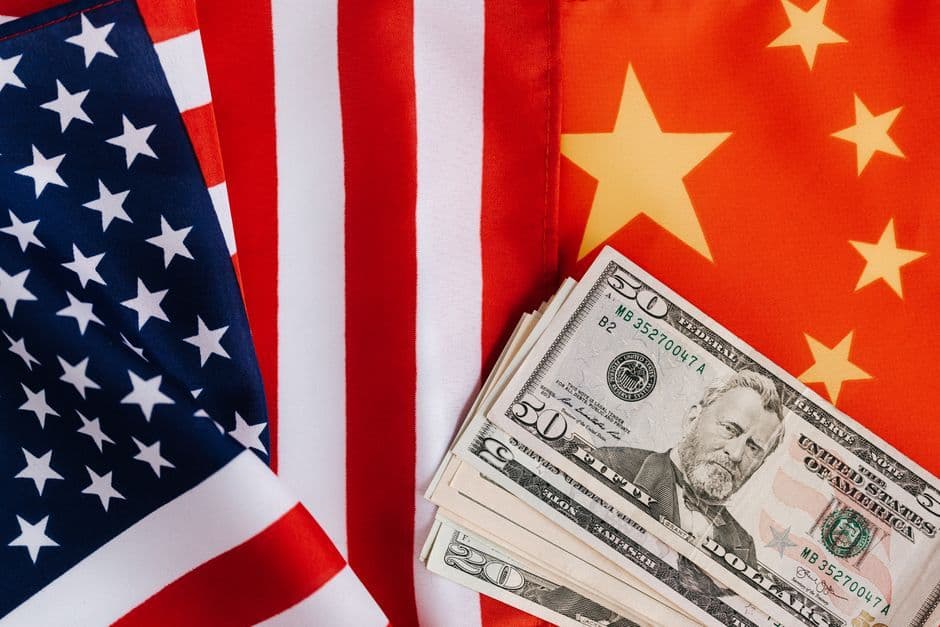
Stock photo for illustration only, not from the actual event
- China releases more details on concrete outcomes following the Xi-Trump summit
- Both nations agree to launch a new AI dialogue and establish an incident communication channel
- Trade truce extended to January 10 with lower tariffs on 30 billion dollars of goods
- Taiwan and rare earth minerals remain contentious issues without major breakthroughs
On Monday, China released additional information regarding the agreements made during talks between Xi Jinping and Donald Trump last week, shedding light on several concrete outcomes while noting the absence of a joint statement and major breakthroughs.
Both governments issued separate accounts of the meeting, serving as a sign that despite White House tours and promises of warmer ties, Washington and Beijing remain wary of each other.
Regarding artificial intelligence, Beijing announced an agreement with Washington to launch a new AI dialogue, with further talks scheduled for late November. As both nations race to develop advanced AI, the move indicates a recognized need for guardrails around technology increasingly used in business and military planning.

Stock photo for illustration only, not from the actual event
The two sides also agreed to establish a communication channel for AI-related incidents to prevent misunderstandings or unexpected developments from escalating into broader confrontation. The meeting was closely watched following calls from US companies like Anthropic to slow down development, alongside revelations that OpenAI gained unauthorized access to Australian government websites and meddled in US agency sites.
The AI dialogue between the US and China highlights how technology has evolved into a core national security issue rather than purely commercial interest. Establishing emergency communication channels mirrors Cold War-era military hotlines aimed at preventing automated or misunderstood cyber escalations.
Chinese state media confirmed on Monday that the trade truce has been extended until January 10. This short extension ensures both leaders will meet again at international gatherings later this year, with Trump attending the APEC summit in Shenzhen in November and Xi traveling to Miami for the G20 summit in December.
China secured lower tariffs on 30 billion dollars (23 billion pounds) of goods entering the US, with reciprocal reductions expected from Beijing. American-bound products ranging from toys to small household appliances and Christmas decorations will benefit. Additionally, the Trump administration noted that Beijing will purchase at least 10 million metric tons of coal annually in 2027 and 2028, though no mention was made of increased rare earth mineral exports or eased semiconductor restrictions.

Stock photo for illustration only, not from the actual event
The issue of Taiwan remained a priority for Xi Jinping despite its omission from the White House factsheet. According to Beijing's accounts, Xi urged Donald Trump to formally oppose Taiwan independence and handle the matter cautiously. Confusion arose when US Ambassador to China David Perdue told Fox News that Trump offered to sell weapons to Xi during the summit, a claim later clarified by the State Department noting US law prohibits arms sales to China.
On financial services, China stated it will allow more foreign financial firms, including US-backed banks and insurers, to apply to do business and open offices in China, subject to local laws and regulations. Meanwhile, discussions regarding increased flights continue without detailed implementation plans, and China has yet to extend visa-free entry to US citizens despite offering it to visitors from over 75 countries.
Source: BBC World
Found something wrong in this article? Report an issue with this article
Comments
Leave a Comment