

More than half of England in drought, Environment Agency declares
The Environment Agency has declared a drought across large parts of England following hot, dry weather, putting millions under water restrictions and wildfire alerts.
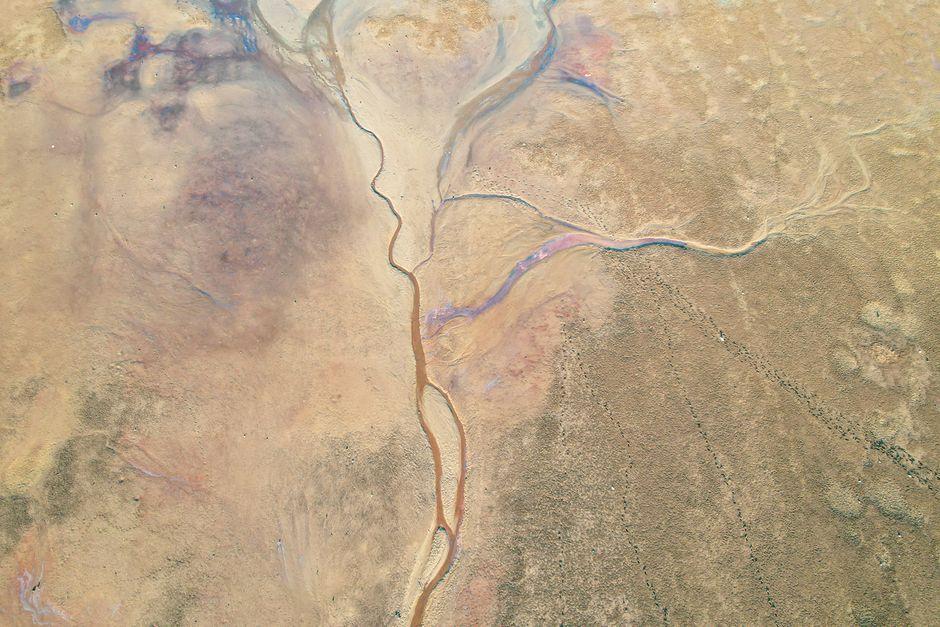
Stock photo for illustration only, not from the actual event
- Environment Agency declares drought across more than half of England
- Over 20 million people currently affected by hosepipe bans
- Temperatures forecast to reach 35C with amber and yellow heat health alerts
- England has now experienced three droughts in the past five years
Drought has officially been declared across more than half of England as prolonged hot and dry weather takes a heavy toll on the country's water supplies. The Environment Agency (EA) announcement spans much of central, eastern, and southern England, serving as a public warning that further restrictions on water usage are likely to follow.
The impacts of the dry spell are already being felt extensively, including depleted river flows, early agricultural harvests, and an elevated risk of wildfires. More than 20 million people are currently under hosepipe bans. Meanwhile, Natural Resources Wales reported that North Wales and the Upper Severn river basin entered drought conditions the previous week.
The late spring and summer seasons have been exceptionally hot and dry, a rapid switch between wet and dry conditions sometimes referred to as "climate whiplash". July saw only 7% of average rainfall levels across England, and a mere 1% across southern England, with parts of Devon and Hampshire going more than a month without any rain.
The current situation features a "flash drought," where conditions develop suddenly rather than over many months or years. The combination of minimal rainfall and persistent high temperatures causes rapid moisture evaporation in soils, vegetation, and rivers. Scientists emphasize that climate change is exacerbating these risks by raising summer temperatures, which dries out soils faster and leads to more severe, prolonged droughts.
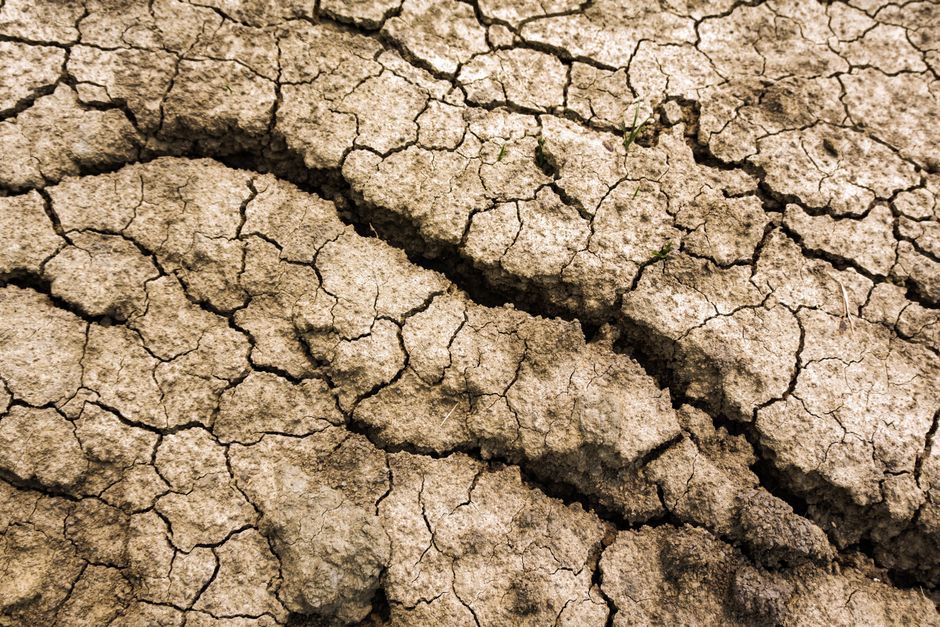
Stock photo for illustration only, not from the actual event
"The hot and dry weather means we are currently using water faster than nature can replenish it."
Helen Wakeham, Environment Agency director of water
Today's declaration marks the third drought in England over the past five years, following events in 2022, 2025, and now 2026. In addition, parts of the UK are experiencing their fourth heatwave of the year, with amber and yellow heat health alerts in effect and temperatures potentially peaking at 35C in parts of south-east England.
The dry conditions have created ideal environments for wildfires to spread. The National Fire Chiefs Council warned that wildfire risks remain elevated across the UK, noting that more than 200 wildfire incidents have been reported across England and Wales over the past two weeks. Separately, the Met Office verified an upward revision of the June temperature record in Lingwood, Norfolk, updating it from 37.7C to 38.0C and shattering the previous UK June high of 35.6C.
Source: BBC Science & Environment
Found something wrong in this article? Report an issue with this article
Comments
Leave a Comment