

Two firefighters die in Crete as wildfires threaten parts of southern Europe
Two firefighters lose their lives on the Greek island of Crete as severe wildfires tear across southern Europe amid the fourth summer heatwave.
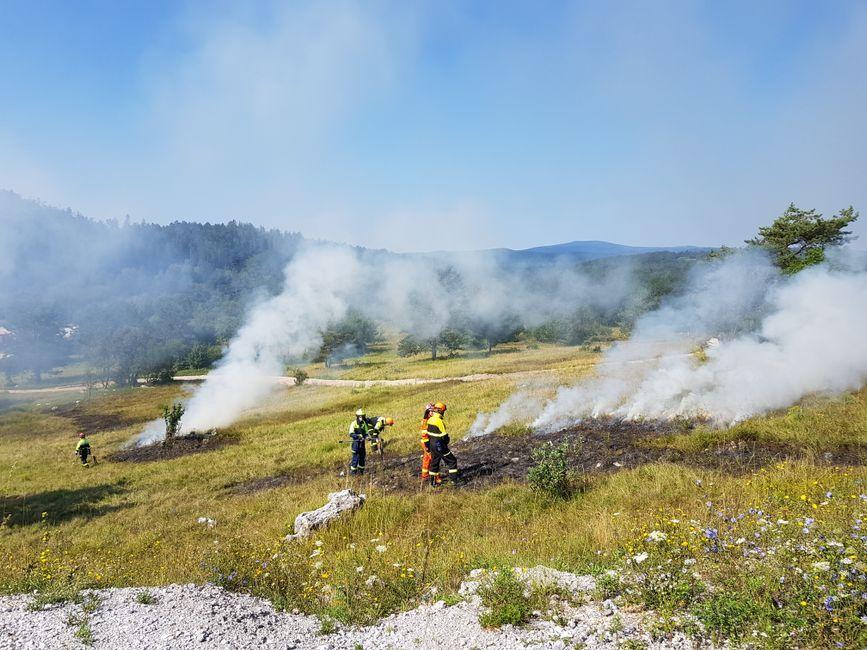
Stock photo for illustration only, not from the actual event
- Two Greek firefighters died after becoming trapped by wildfires in Rethymno, Crete.
- Spain records its largest wildfire in history with over 43,000 hectares burned in Ávila.
- Southern Europe faces its fourth heatwave of the summer, triggering mass evacuations.
Two Greek firefighters have tragically lost their lives after becoming trapped while tackling a fast-moving wildfire in the Rethymno area of Crete. Gale-force winds whipped up the flames, forcing the immediate evacuation of several villages as the disaster added to a series of destructive summer blazes across southern Europe. The worst fire front stretched across an expanse of 15 kilometres, equivalent to 9.3 miles.
Aside from Crete, fires have erupted in other parts of Greece including the islands of Paros and Lesbos, as well as the southern mainland town of Trifylia. Meanwhile, in southern Turkey, a fire in Muğla province forced the closure of the main Fethiye to Antalya highway and the partial evacuation of a local hospital.
At the same time, Spain and France have entered their fourth heatwave of the summer season. In Ávila province, located 150 kilometres or 93 miles west of Madrid, over 43,000 hectares or 108,000 acres have been scorched, marking the largest recorded wildfire in Spanish history. This brings the total land area burned by wildfires across Spain this year to more than 207,000 hectares.
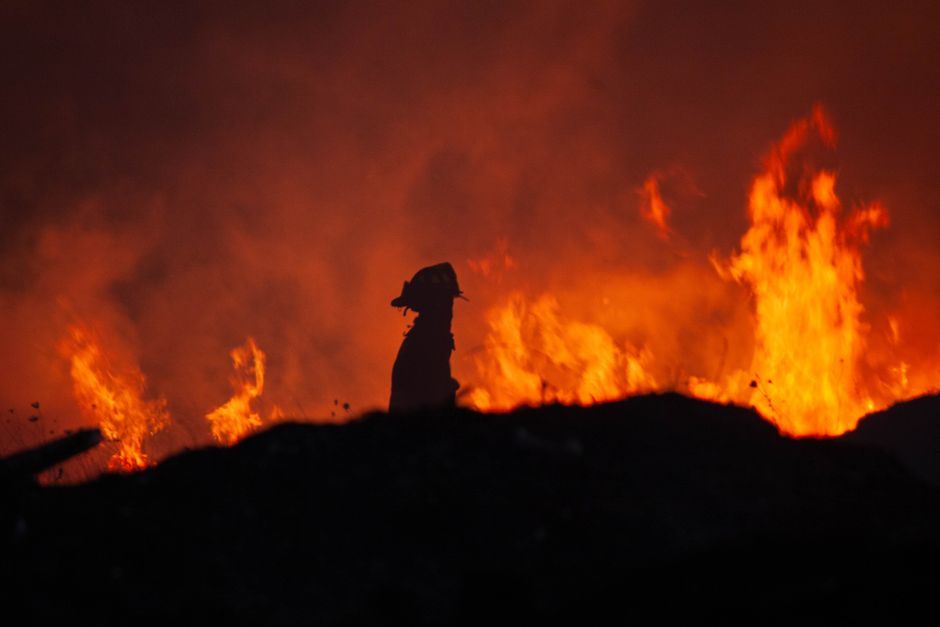
Stock photo for illustration only, not from the actual event
Francisco Bolaños, a member of the firefighting direction team, noted that while the fire had not moved a centimetre overnight, higher temperatures sparked concerns of potential re-ignition, keeping crews focused on stabilising a perimeter spanning 180 kilometres or 112 miles.
"Many residents have lost their homes and jobs. Getting back on track is going to be an arduous task."
Lucía Moya, Mayor of Chapinería
Authorities have since permitted thousands of residents to return home following the lifting of restrictions across Toledo, Madrid, Ávila, and Castellón. In the Madrid region alone, 24,000 people were cleared to return, and lockdowns affecting another 20,000 individuals were lifted. This included roughly 1,000 residents from the towns of Navas del Rey and Chapinería who had previously sheltered in Leganés.
Context & Analysis: The escalation of severe wildfires aligns closely with data from the Copernicus Climate Change Service, which indicates that Europe is warming twice as fast as the global average, making it the fastest-warming continent on Earth. This accelerating climate trend places unprecedented pressure on water supplies and intensifies summer heatwaves, creating persistent conditions for catastrophic wildfires year after year.
In south-west France, officials in the Gironde region reported that major fires remain stabilised despite several flare-ups, though an orange heatwave alert remains active across 16 departments with temperatures climbing up to 41 degrees Celsius or 106 degrees Fahrenheit. Across the border in Portugal, civil protection teams are closely monitoring an active fire front in the north-eastern district of Vila Real to protect local infrastructure.
Source: BBC World
Found something wrong in this article? Report an issue with this article
Comments
Leave a Comment