

UK Mortgage Rates 2026: Average 5-Year Rate Hits 6%
Average UK five-year fixed mortgage rates reached 6% for the first time in three years amid economic pressures from the Iran war and rising costs.
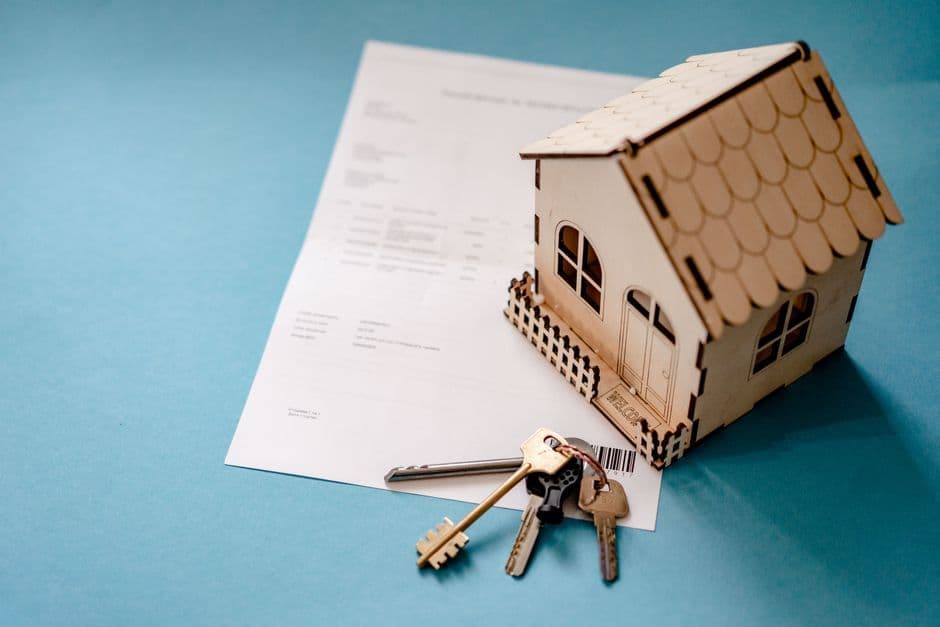
Stock photo for illustration only, not from the actual event
- Average five-year fixed mortgage rates in the UK hit 6% for the first time in three years.
- More than 1,500 mortgage deals priced below 5% vanished since the beginning of September 2026.
- Major lenders repeatedly hiked fixed rates due to global economic uncertainty and the Iran war.
- Over 5 million homeowners are projected to face higher monthly repayments by the end of 2028.
The UK housing market faced a significant milestone as data from financial information service Moneyfacts revealed that the average interest rate on a new five-year fixed mortgage has climbed to 6% for the first time in three years. Meanwhile, the average rate for a two-year fixed deal reached 5.98%, marking the highest levels since September and December 2023 respectively.
Home loan costs have escalated in recent weeks as lenders encounter higher expenses driven by international concerns over rising prices, interest rates, and government borrowing costs. The outbreak of the Iran war has disrupted widespread expectations that economic conditions would lead to falling interest rates this year.
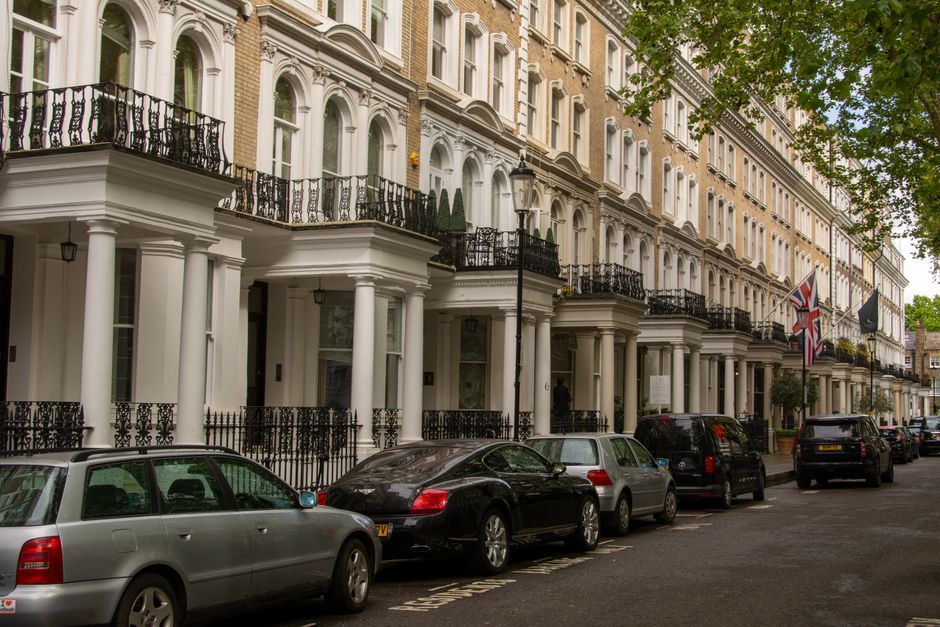
Stock photo for illustration only, not from the actual event
The resulting economic pressure caused the number of fixed-rate deals priced below 5% to plummet by 99%, dropping sharply from 1,494 deals at the start of September 2026 to just nine. In contrast, the volume of variable-rate mortgages tracking the Bank of England's base rate has remained largely stable, prompting some borrowers to opt for tracker deals instead.
"Average fixed mortgage rates rising back to three-year highs will be disastrous news for borrowers."
Rachel Springall, finance expert at Moneyfacts
According to BBC cost of living correspondent Kevin Peachey, major High Street lenders made repeated fixed-rate increases throughout September. Barclays raised selected fixed rates on four separate occasions, while HSBC, Lloyds Bank, Nationwide, NatWest, Santander, and TSB each implemented three rounds of rate hikes.
Rising yields on government bonds have increased the long-term cost of state borrowing, creating a direct knock-on effect across the mortgage market. Beyond housing, broader living costs are also compounding pressure, with UK diesel prices crossing £2 a litre for the first time and domestic energy prices expected to rise further. The government now faces intense pressure to deliver targeted support in the upcoming Budget.
Bank of England forecasts indicate that just over five million homeowners should expect increased monthly mortgage repayments by the end of 2028. Experts advise borrowers approaching the end of their current fixed deals to seek professional guidance early, as certain lenders permit customers to lock in a new rate three to six months before their existing contracts expire.
Source: BBC Business
Found something wrong in this article? Report an issue with this article
Comments
Leave a Comment