

No 10 insists UK military base RAF Fairford is safe after US bomber withdrawal
Downing Street maintains RAF Fairford is secure after the Pentagon withdraws all B-1 bombers back to the US following a security threat investigation in Gloucestershire.
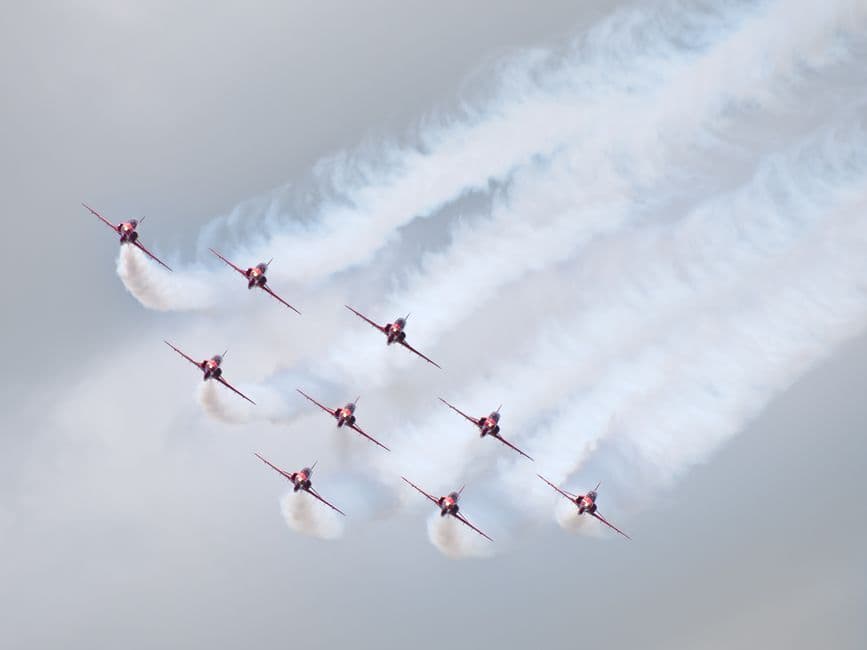
Stock photo for illustration only, not from the actual event
- The US has withdrawn about a dozen B-1 bombers from RAF Fairford back to home stations.
- UK and US officials insist the military base remains secure with robust defense measures.
- American media report the move follows new threat intelligence linked to an Iran-backed plot.
- Counter-terror police have previously arrested and bailed multiple suspects over a security incident.
Downing Street has firmly insisted that the RAF Fairford military base in the Cotswolds, Gloucestershire, remains completely safe following the decision by the United States to withdraw all of its bombers from the facility. The Pentagon confirmed on Sunday that it had removed its bomber fleet—believed to be approximately a dozen B-1 aircraft—back to their primary home stations within the United States.
This sudden withdrawal comes in the wake of US media reports indicating that a new security threat prompted the relocation. This follows a major incident on September 27, when local police were alerted to three suspicious vehicles parked near the perimeter of the airbase, triggering an immediate and intensified security response. Initially, five men were arrested on suspicion of terror-related offenses before being released on bail, while a sixth man, holding dual UK-Iranian nationality, was subsequently arrested and also released on bail.
Stock photo for illustration only, not from the actual event
Whitehall sources have not disputed that Washington's decision to remove the bombers was a direct response to the security breach in Gloucestershire. The BBC was informed that the move was an operational military decision rather than a political one, communicated directly from the US military to British counterparts. Speaking on Monday, US Secretary of State Marco Rubio stated that Washington retains full confidence in the security of all its bases and praised British authorities for their strong cooperation since the incident occurred.
"We have tried and tested approaches to defend our bases around the country and throughout the world."
Wes Streeting, UK Defence Secretary
Stock photo for illustration only, not from the actual event
The removal of B-1 bombers from RAF Fairford highlights the delicate geopolitical balance surrounding military deployments and regional tensions involving Iran. While the base serves as a crucial forward operating location for US missions in the Middle East, modern defense protocols demand swift responses to emerging threat indicators to safeguard personnel and high-value strategic assets. Close intelligence sharing and allied coordination remain vital pillars in managing these contemporary security challenges.
Earlier on Monday, the New York Times reported, citing two US officials, that military commanders had received fresh threat warnings regarding an Iran-backed plot targeting RAF Fairford. The newspaper noted that while the information built upon threat warnings issued three weeks prior, officials acted decisively after specific details emerged within a 24-hour window. Meanwhile, Tehran has strongly denied any involvement, maintaining its stated position from July that any facility used for aggression against Iranian territory constitutes a legitimate target.
Source: BBC World
Found something wrong in this article? Report an issue with this article
Comments
Leave a Comment