

Flydubai Co-Pilot Planned Tel Aviv Airport Crash
Reports reveal a Flydubai co-pilot plotted to hijack a Boeing 737 MAX and crash it into Tel Aviv's Ben Gurion airport or a tower block after attacking the captain.
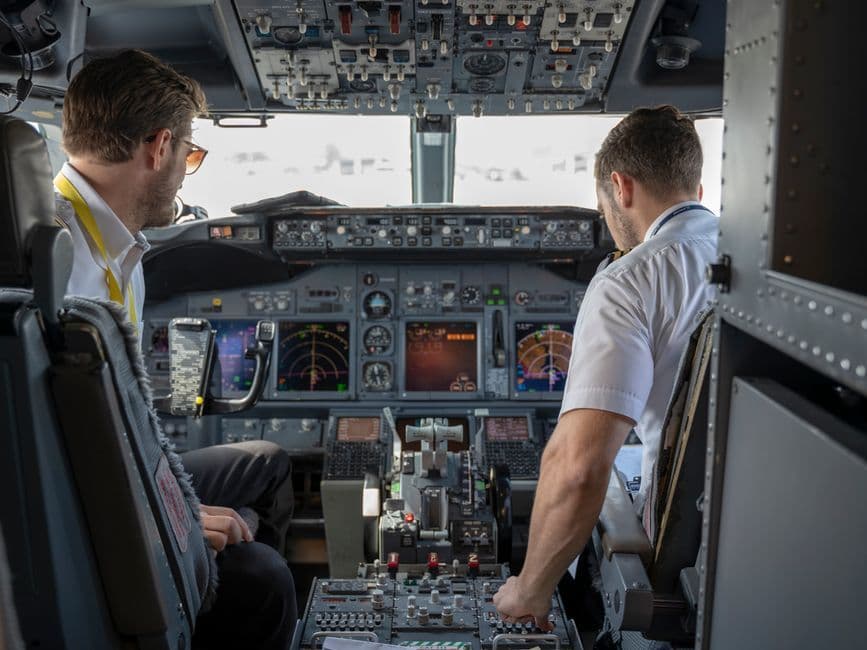
Stock photo for illustration only, not from the actual event
- Omani co-pilot planned to crash a commercial plane into Tel Aviv
- Used an emergency cockpit axe to attack Captain Smit Machchhar
- Passengers and crew overpowered the attacker and landed safely
- Regional authorities face scrutiny over severe security and vetting lapses
Reports from US and Israeli outlets indicate that the co-pilot accused of attempting to hijack a Flydubai flight, identified in multiple reports as Hamam al-Hammami, planned to crash the aircraft into Tel Aviv's Ben Gurion airport or a tower block in the Israeli city. The Omani national attacked Captain Smit Machchhar using the emergency crash axe kept inside the cockpit before passengers managed to overpower him.
According to the investigative findings, the suspect acted as a "lone wolf" extremist. He reportedly intended to pilot the Boeing 737 MAX—carrying over 180 passengers—into Israeli airspace normally, secure landing clearance, and then dive the aircraft into the airport or central Tel Aviv, mirroring the style of the 11 September 2001 attacks in the United States.
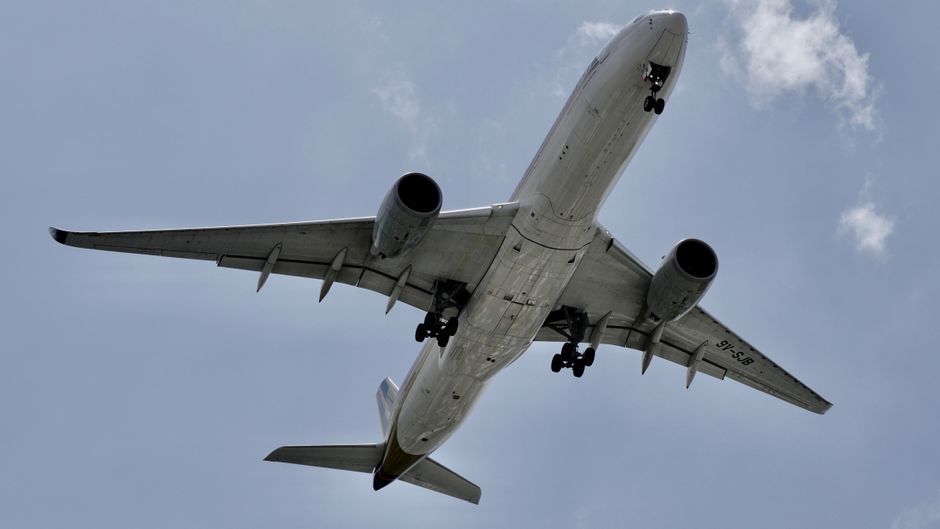
Stock photo for illustration only, not from the actual event
Sources noted that the co-pilot had previously contemplated hijacking an earlier flight to Tel Aviv but abandoned the plan because he knew someone on board. Addressing the ongoing probe, UAE Attorney-General Hamad al-Shamsi stated on Saturday that the country's investigation will establish the full circumstances, motives, and any related links, with results to be made public upon completion.
Cockpit security and pilot incapacitation incidents represent some of the most critical vulnerabilities in commercial aviation. While flight deck doors are heavily fortified against external intrusions, standard security frameworks often struggle with insider threats—where authorized crew members exploit their privileged access. The ease with which the co-pilot accessed an emergency crash axe inside the flight deck highlights systemic gaps in background screening procedures and psychological vetting across global commercial airlines.
Furthermore, regulatory overlaps and diplomatic exemptions often complicate cross-border aviation security, exposing flaws in how passenger and crew manifests are shared and vetted between foreign carriers and destination countries.
The incident has sparked severe questions regarding major security lapses, including how the attacker was recruited by Flydubai. Regional officials revealed that he had previously been barred from flying and moved to administrative duties by Oman Air due to concerns over extremist views, yet later passed standard security checks at the UAE-based carrier that failed to examine his radicalization background.
"The investigation will establish the full circumstances, motives and any links related to the incident."
Hamad al-Shamsi, UAE Attorney-General
Additionally, Israeli aviation regulations dictate that pilots holding citizenship from countries without formal diplomatic relations with Israel, such as Oman, are barred from operating flights into the nation. Meanwhile, domestic security agency Shin Bet and Transport Minister Miri Regev offered conflicting accounts regarding responsibility for vetting the passenger and crew lists for flight FZ1073.
Authorities in Australia are also investigating the co-pilot's background, with local media sources reporting that he studied in the country between 2015 and 2017.
Source: BBC World
Found something wrong in this article? Report an issue with this article
Comments
Leave a Comment