

Tories pledge £10bn 'Britannia Shield' air defence system
The Conservative Party has pledged a £10bn investment in the Britannia Shield air defence system to protect UK infrastructure from modern threats.

Stock photo for illustration only, not from the actual event
- The Conservative Party has pledged a £10bn budget for the Britannia Shield system.
- The initiative focuses on missile and drone defence to secure UK airspace.
- Shadow defence secretary James Cartlidge called it a generational upgrade.
- Funding will be drawn from the existing commitment to spend 3% of GDP on defence by 2030.
The UK Conservative Party has announced a major national security pledge, committing to invest £10,000 million into a brand-new missile and drone defence network known as the "Britannia Shield" to safeguard the nation if they return to government.
This proposed system is designed to provide an integrated architecture combining radar networks, command and control frameworks, and interceptor missiles. The party emphasized that the initiative will reinforce national air defenses amid ongoing warnings from NATO allies regarding frequent Russian drone incursions.
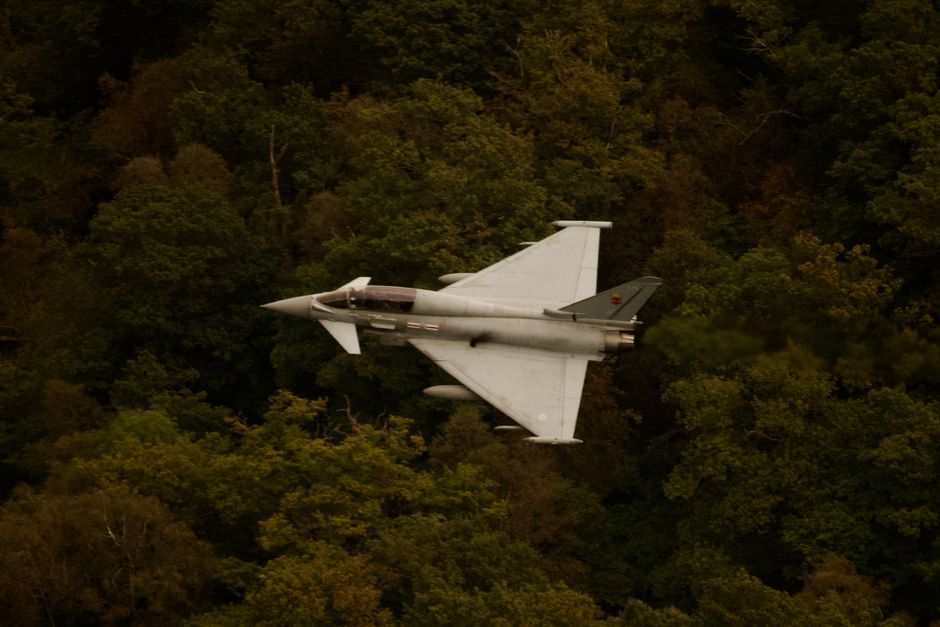
Stock photo for illustration only, not from the actual event
During a speech at the Conservative Party conference in Birmingham, shadow defence secretary James Cartlidge is set to outline the proposal, describing it as the most significant upgrade to British air defence in generations and one of the country's largest military programs since the Cold War.
The party also pointed to a report published last November by the House of Commons defence committee, which warned that the UK was falling behind European peers in planning to defend itself and overseas territories from military attacks. The three-tiered structure of the proposed shield draws parallels with the British Army's existing Sky Sabre air defence system.
"With a £10bn budget, this would be one of Britain's most significant military programmes since the cold war. But one that is totally necessary because of the threats we face."
James Cartlidge
Contextual Analysis: The Britannia Shield proposal underscores the UK's strategic pivot toward countering asymmetric aerial threats like drones and advanced missiles. As modern warfare increasingly relies on unmanned aerial vehicles, upgrading integrated air and missile defense networks has become a central security priority across European defense policies.
Regarding financing, the Conservatives stated that the plan would be fully funded within their existing commitment to allocate 3% of GDP to defence by 2030, supported by welfare reforms and spending reprioritization. Meanwhile, Prime Minister Andy Burnham's government faces ongoing pressure to meet NATO's 3.5% GDP spending target by 2035.
Source: BBC Politics
Found something wrong in this article? Report an issue with this article
Comments
Leave a Comment