

Polling stations open for Greater Manchester mayoral election
Voters across Greater Manchester head to the polls to elect a new mayor following Andy Burnham's resignation to become prime minister.
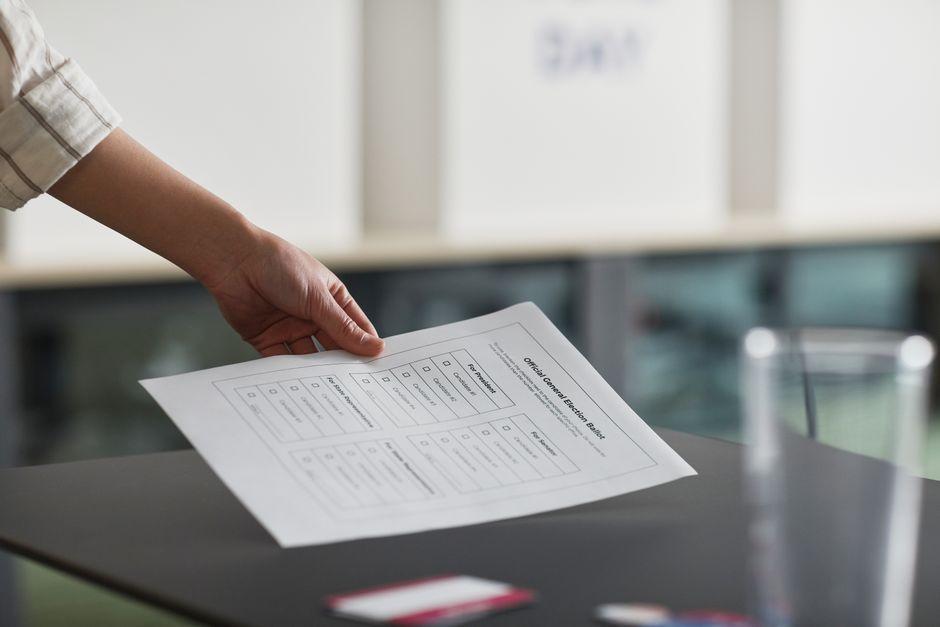
Stock photo for illustration only, not from the actual event
- Polling stations across Greater Manchester opened at 07:00 and close at 22:00 local time.
- The election was triggered by Andy Burnham stepping down as regional mayor.
- Voters must bring approved forms of identification such as a passport or driving licence.
- Vote counting begins on Friday morning with results expected later that day.
Polling stations across Greater Manchester have officially opened for a mayoral election triggered by the resignation of Andy Burnham as the city region's mayor. British members of parliament are barred from holding mayoral offices concurrently, forcing Burnham to step down following his victory in last month's Makerfield parliamentary by-election, a triumph that ultimately paved the way for him to become prime minister earlier this month.
Electorates are casting their ballots to determine who will represent them as the new mayor of Greater Manchester and leader of the Greater Manchester Combined Authority, known as the GMCA. Polling booths opened at 07:00 BST and are scheduled to close at 22:00, with election results anticipated to be announced on Friday after verification processes conclude.
Local mayoral elections in the UK play a critical role in regional governance, overseeing vital public services such as local transport networks, housing, and economic development. When a prominent regional leader transitions to national politics, rapid local elections ensure uninterrupted representation and continuity in regional administration.
Registered residents should have received a polling card in the mail prior to election day, detailing the address of their designated local polling station. While voters are not strictly required to bring their polling cards with them, presenting the card can significantly accelerate the check-in process. Upon arrival, attendees are required to provide their name, address, and an acceptable form of voter identification, such as a passport or driving licence, before receiving their ballot paper.
The electoral contest utilizes the supplementary vote system, allowing participants to cast both a first-choice and a second-choice vote. Electoral officials emphasize that voters are not obligated to make a second choice; however, marking only a second preference without selecting a first-choice candidate will result in the ballot being invalidated and left uncounted.
Should no candidate secure an absolute majority of over 50% in the initial count, all contenders except the top two highest-polling candidates are eliminated. The second-preference votes belonging to supporters of the eliminated candidates are subsequently reallocated between the remaining two finalists, and the candidate accumulating the highest combined total is declared the winner.
Source: BBC Politics
Found something wrong in this article? Report an issue with this article
Comments
Leave a Comment