

France school protests 2024: Behind the student anger
Exploring French high school protests over staff shortages, dilapidated facilities, Parcoursup frustrations, and political deadlock.

Stock photo for illustration only, not from the actual event
- Protests in France have turned violent, leaving students, teachers, and police injured.
- Students complain about dilapidated facilities, staff shortages, and the Parcoursup university system.
- Prime Minister Sébastien Lecornu faces severe financial constraints and a political deadlock.
- Polls show 72% of French citizens view the students' demands as legitimate.
The student movement across French high schools has taken a violent turn in several locations, resulting in injuries to hundreds of students, teachers, and police officers. Thousands of individuals, including an unspecified number of outside agitators, have been placed under arrest during the unrest.
Protesters are voicing strong frustrations regarding acute staff shortages and run-down facilities within the country's lycées, which serve teenagers aged 15 to 18. These ongoing grievances have deeply impacted the daily educational environment.
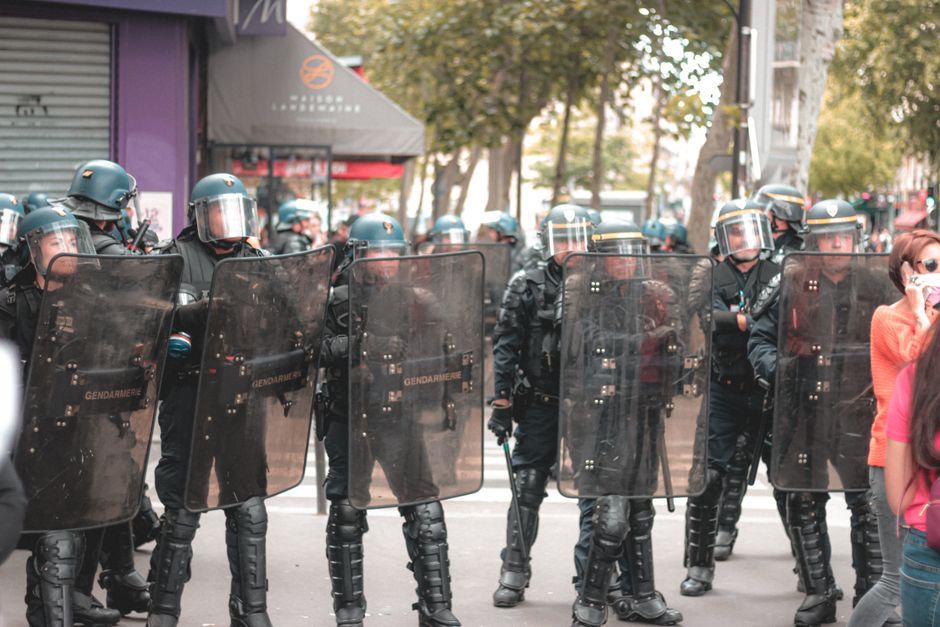
Stock photo for illustration only, not from the actual event
Additional complaints include objections to mobile phone bans and school days stretching as late as 18:00. One student told France 2 that returning home at 7 PM leaves no time for sleep or completing homework assignments.
France's online university placement platform, Parcoursup, remains another major point of contention. While roughly 80% of each cohort passes the baccalauréat to secure university eligibility, it does not guarantee admission to preferred courses, sparking intense competition and widespread anxiety over a system many view as opaque.
When compared internationally, recent OECD data shows the French government actually spends more per lycée student than the European Union upper-secondary average. Furthermore, teacher shortages, while acute, are reportedly no worse than in other nations, though French educators receive relatively low compensation.
Street protests and blockades form a deep-seated part of French political tradition, where public demonstrations often rival elected bodies in exerting influence. From historical precedents like 1968 to the yellow vest movement, French citizens frequently utilize direct action on the streets to force government concessions, making the current high school blockades part of a broader cultural pattern.
Stock photo for illustration only, not from the actual event
Prime Minister Sébastien Lecornu insisted in his latest address that security forces are ordered to enforce the law rather than confront students directly. However, facing rising borrowing costs, a 5.4% GDP deficit, and public debt at its highest point since the 1940s, the French government remains financially and politically constrained.
Source: BBC World
Found something wrong in this article? Report an issue with this article
Comments
Leave a Comment