

Missile that left crater deep inside Poland was probably Russian - Polish PM
Donald Tusk says an object that crashed into eastern Poland was likely a Russian missile, as authorities investigate its exact type and origin.
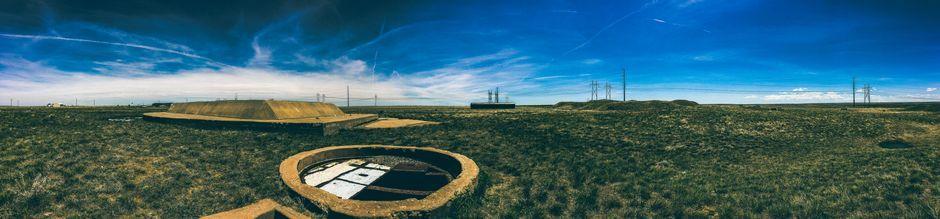
Stock photo for illustration only, not from the actual event
- An unidentified object crashed near Tarnawa Kolonia, 100km from the Ukrainian border.
- Polish PM Donald Tusk stated it was likely a Russian Kh-101 ballistic missile.
- The military deployed an F-16 jet to intercept before it vanished from radar.
- The incident occurred during a Russian airstrike targeting the Ukrainian city of Lviv.
Polish Prime Minister Donald Tusk has stated that an object crashing into a field in eastern Poland during the early hours of Thursday was likely a Russian missile. The unidentified object created a 10-metre-wide crater a short distance from Tarnawa Kolonia, situated roughly 100 kilometres from the Ukrainian border amid a broader Russian bombardment of Lviv.
"All the indications are that it was a Russian Kh-101 ballistic missile, but we want to be 100% certain about the type of missile and who launched it," Tusk remarked during a specially convened meeting in Lublin, adding that he was in contact with European leaders prior to inspecting the site.
Defence Minister Wladyslaw Kosiniak-Kamysz reported that approximately 20 objects were spotted near Polish airspace overnight, with pyrotechnical analysis underway to identify the fallen debris. The Polish military detected the object around 03:40 on Thursday and scrambled an F-16 fighter jet to intercept it before it disappeared from radar minutes later.
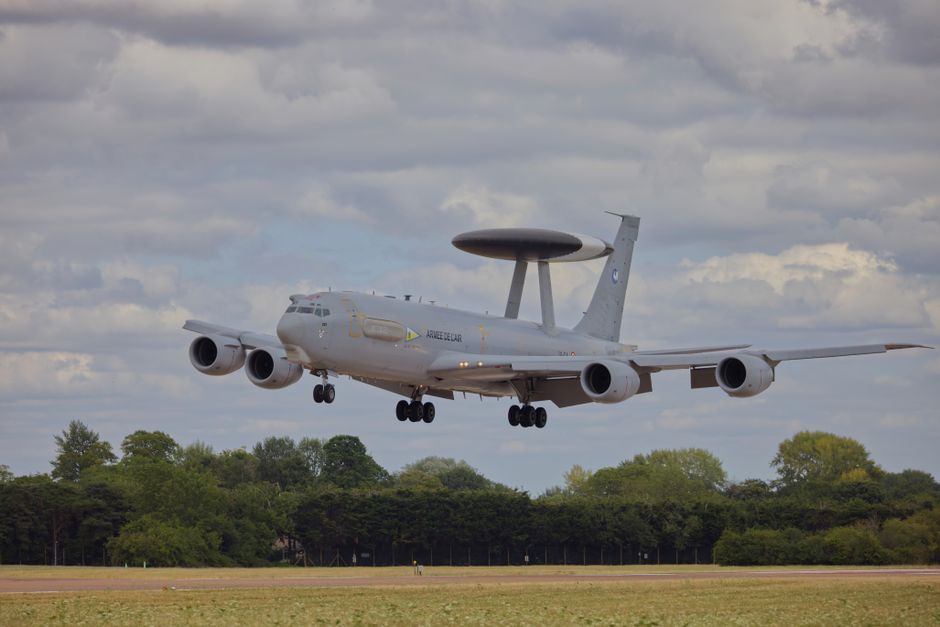
Stock photo for illustration only, not from the actual event
Air raid sirens sounded in Lublin and Krasnystaw as Russian airstrikes claimed eight lives in neighbouring Ukraine. Local residents in Tarnawa Kolonia heard a loud explosion around 04:00, with police locating the impact zone an hour later. The Polish leader had previously met Ukrainian President Volodymyr Zelensky in Lublin the preceding evening as Zelensky returned from talks with US President Donald Trump.
The repeated incursions of drones and missiles into Polish airspace since the onset of the full-scale war in February 2022 highlight the persistent security risks faced by NATO's eastern flank. While past incidents, such as the tragic deaths of two farmers in November 2022, involved Ukrainian air defence systems responding to attacks, prime ministerial investigations into this latest debris underscore the strict verification protocols maintained by Warsaw.
Source: BBC World
Found something wrong in this article? Report an issue with this article
Comments
Leave a Comment