

US and Lebanon shielding wanted Syrian general for Tice info
BBC investigation reveals Bassam al-Hassan, ex-Syrian general linked to chemical weapons, is protected and funded by the US and Lebanon in exchange for Austin Tice intel.

Stock photo for illustration only, not from the actual event
- Bassam al-Hassan, a former Syrian general, is being bankrolled and sheltered by the US and Lebanon.
- The arrangement was made in exchange for intelligence regarding the 2012 abduction of US journalist Austin Tice.
- Syria's new government wants him extradited for trial, but US authorities are blocking the move.
- Tice's family strongly condemned the deal, calling it aiding and abetting a war criminal.
A joint investigation by BBC News and US broadcaster NPR has uncovered that Bassam al-Hassan, a former Syrian general who oversaw the country's chemical weapons program and served as a senior adviser to former President Bashar al-Assad, is being sheltered and funded by US and Lebanese authorities following the collapse of the Assad regime in 2024.
Al-Hassan has been allowed to remain in Lebanon under an arrangement involving the FBI, other US agencies, and Lebanese security officials. This protection is reportedly due to his willingness to provide information regarding the 2012 abduction of American journalist Austin Tice in Syria, as well as additional intelligence. Last month, the BBC revealed that Tice's kidnapping was a planned operation within Hassan's chain of command.
The decision by US law enforcement and intelligence agencies to cut a deal with a high-ranking official of a fallen oppressive regime highlights the extreme lengths taken to resolve a high-profile American hostage case, despite severe backlash over shielding a suspected human rights abuser. Access to secrets regarding chemical weapon stockpiles and Iranian military ties also serves broader US strategic interests in the region.
Officials from two separate branches of Syria's new government stated they want al-Hassan returned to face trial, but noted that US authorities insist on keeping him in Lebanon, leaving Damascus with little recourse. When approached for comment, the FBI declined to speak, instead pointing to a past statement emphasizing its ongoing focus on establishing the facts of the Tice case and securing his return.
"If what you are saying is true, the fact that our tax dollars are being used to furnish a comfortable life for someone associated with the use of chemical weapons on Syrian civilians, who claims to have had Austin Tice executed, is offensive."
Phil Elwood, Tice family spokesperson
Sources familiar with the arrangement confirmed that al-Hassan receives funds from US authorities channeled through an intermediary to evade tracking, despite being under US government sanctions. The deal is believed to have been struck in the spring of 2025, supported by detailed records reviewed by the BBC as part of its ongoing podcast investigation into Tice's disappearance.
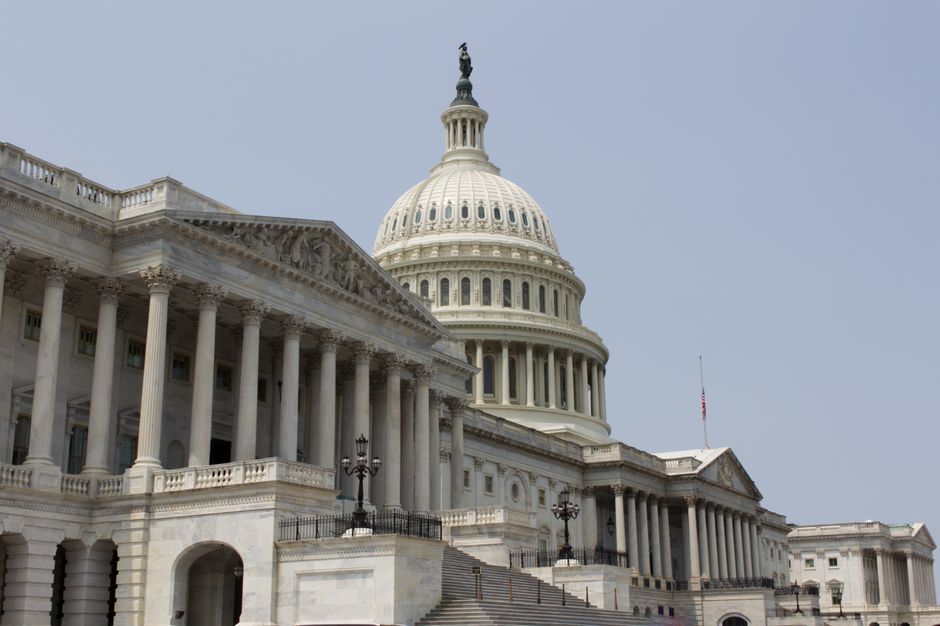
Stock photo for illustration only, not from the actual event
Nevertheless, individuals connected to the Tice investigation have expressed frustration that the arrangement has yielded limited significant progress despite substantial ongoing costs. Following the fall of the Assad regime in December 2024, al-Hassan initially fled to Iran before negotiations involving the US, Lebanon, and Iran facilitated his relocation to Lebanon, driven by his extensive knowledge of military secrets sought by Washington intelligence agencies.
Source: BBC World
Found something wrong in this article? Report an issue with this article
Comments
Leave a Comment