

UK spends £15m clearing illegal waste from Hoads Wood
The UK government spent £15m in taxpayer money over 15 months to clear nearly 40,000 tonnes of illegally dumped waste from Hoads Wood ancient woodland in Kent.

Stock photo for illustration only, not from the actual event
- UK taxpayer money of £15m was spent clearing illegal waste from Hoads Wood over 15 months.
- Nearly 40,000 tonnes of rubbish were removed by specialist contractors using 2,500 lorry loads.
- The site is an ancient bluebell woodland and a designated Site of Special Scientific Interest (SSSI).
- The government launched a national action plan tackling waste crime costing over £1bn annually.
The clearance of a notorious illegal waste supersite in the British countryside has been successfully completed following a 15-month operation costing taxpayers £15m. The dump located at Hoads Wood near Ashford in Kent sits on a Site of Special Scientific Interest (SSSI) renowned for rare plants and wildlife, but it was exploited by criminals who illegally deposited nearly 40,000 tonnes of waste over a six-month period in 2023.
This location marked the first waste supersite in England to receive central government funding for its cleanup. When combined with operations at two other locations—including Kidlington in Oxfordshire which cost £6m, and a site near Wigan allocated £4.8m—the total expenditure for taxpayers reached £26m. Government officials stated that the completion of these works demonstrates their strong commitment to addressing waste crime and restoring affected rural areas.
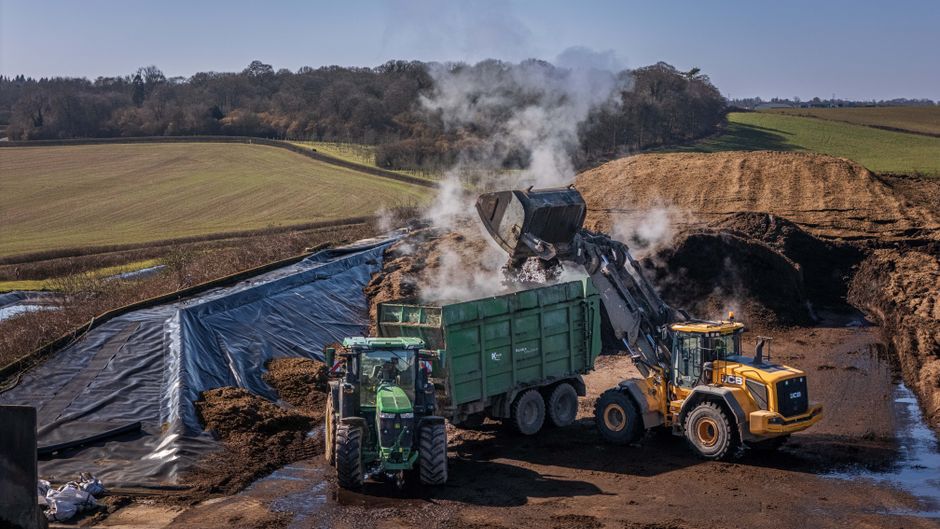
Stock photo for illustration only, not from the actual event
The Environment Agency spearheaded the cleanup operation which commenced in June 2025, deploying specialist contractors to haul away 2,500 lorry loads of debris to a landfill site in Essex. Conservation charity CPRE Kent, local residents, and the Kent Wildlife Trust joined forces in 2024 to campaign for the removal of the piles, which reached heights of up to 15 feet in certain areas. Although stakeholders welcomed the completion, lingering concerns remain regarding the potential return of criminal dumping syndicates.
A local resident expressed apprehension to the BBC, noting that the primary fear centers on unauthorized access resuming and dumping restarting unless authorities maintain swift enforcement. In response, the Environment Agency stated it is extending existing restriction orders prohibiting public access and has excavated physical ditches to block heavy waste trucks from entering the perimeter.
"Our biggest fear now is people are going to be able to access this site and start dumping on it again and unless the authorities are quick it will happen again."
Local resident near Hoads Wood
The proliferation of illegal waste supersites—defined as locations containing over 20,000 tonnes of refuse—highlights a severe environmental enforcement gap across England, with authorities estimating that waste crime costs the country over £1 billion annually. While three arrests were executed in February 2025 in connection to the Hoads Wood dumping, utilizing public funds to remediate criminal negligence underscores the systemic challenges in protecting ecologically sensitive rural land from organized illegal dumping networks.
Meanwhile, environmental experts maintain deep conservation concerns regarding the long-term ecological recovery of the woodland. Ian Rickards, area manager for the Kent Wildlife Trust, noted that native species will likely require decades to naturally regenerate within the ancient bluebell woodland, despite hopeful expectations that indigenous flora and fauna will eventually reappear.
Source: BBC Science & Environment
Found something wrong in this article? Report an issue with this article
Comments
Leave a Comment