

TechCrunch Mobility: A roadblock clears for self-driving trucks
Aurora Innovation and Kodiak AI secure a federal exemption allowing cab-mounted warning beacons, alongside updates on Waymo and Lucid.

Stock photo for illustration only, not from the actual event
- Aurora and Kodiak AI received a federal exemption removing a roadside safety barrier
- The agency granted a five-year waiver for cab-mounted warning beacons
- Waymo secured $5 billion in debt financing for commercial expansion
- Lucid Motors built 2,954 electric vehicles in Q3, down 54% year-over-year
Leading autonomous truck developers Aurora Innovation and Kodiak AI have secured a federal exemption this week, eliminating a major commercialization barrier for self-driving freight operations in the United States.
Under previous federal regulations, traditional big rigs required human drivers to pull over, activate hazard lights, and physically place reflective warning triangles on the road within 10 minutes during an emergency. Autonomous trucks, however, lack human drivers to deploy these roadside warning devices.
This regulatory hurdle prompted Aurora to challenge federal safety regulators in court and escalate the dispute to the District of Columbia Court of Appeals after facing initial denials, while operating under a temporary waiver.
The Federal Motor Carrier Safety Administration has now granted a five-year exemption allowing companies to replace roadside reflective triangles with high-visibility, cab-mounted warning beacons.
"A critical, 21st-century solution that enhances roadside safety by immediately alerting other road users without ever needing to put a person in harm's way."
Gerardo Interiano, Aurora
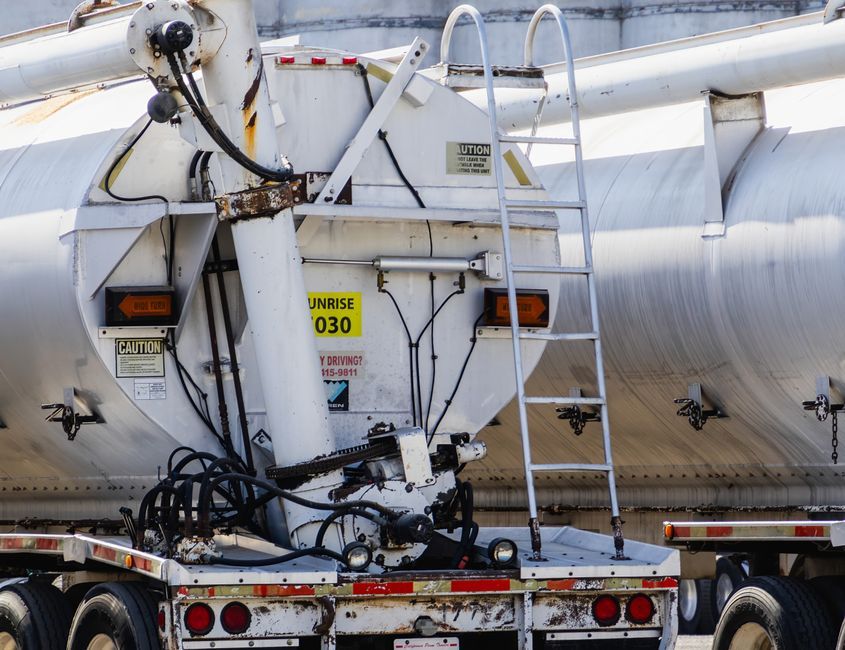
Stock photo for illustration only, not from the actual event
Daniel Goff, vice president of external affairs at Kodiak AI, stated that the exemption will help usher in an autonomous freight era on U.S. roads that saves lives and improves delivery efficiency. Gerardo Interiano, Aurora’s head of government relations and public affairs, echoed that the decision reflects government recognition of the economic benefits of autonomous trucking.
Adapting legacy safety frameworks designed for human drivers is a critical milestone for autonomous vehicle deployment. Regulatory flexibility allows tech companies to scale commercial operations without being constrained by outdated physical requirements.
The latest industry updates also highlight Waymo securing its first-ever debt financing round of $5 billion from major institutional lenders to accelerate expansion, alongside Lucid Motors reporting a deliberate 54% decrease in Q3 EV production to match current demand.
Source: TechCrunch
Found something wrong in this article? Report an issue with this article
Comments
Leave a Comment