

Why Moscow is staying tight-lipped on Trump's energy ceasefire
The Kremlin remains non-committal on Trump's claimed energy ceasefire as Ukrainian drone strikes target Russian refineries and diesel import deals unfold.

Stock photo for illustration only, not from the actual event
- Donald Trump claims an energy ceasefire has been agreed, prompting skepticism from Kyiv.
- Kremlin spokesman Dmitry Peskov stated contacts continue and updates will follow when available.
- Pro-Kremlin media argues Russia benefits as Ukraine's remaining oil refinery is heavily damaged.
- Zelensky reports six Ukrainian energy sites hit by Russia since the ceasefire announcement.
Following Donald Trump's assertion that an energy ceasefire has successfully been arranged, Kyiv immediately questioned the validity of the claim, while expressing willingness to sign if Russia does the same.
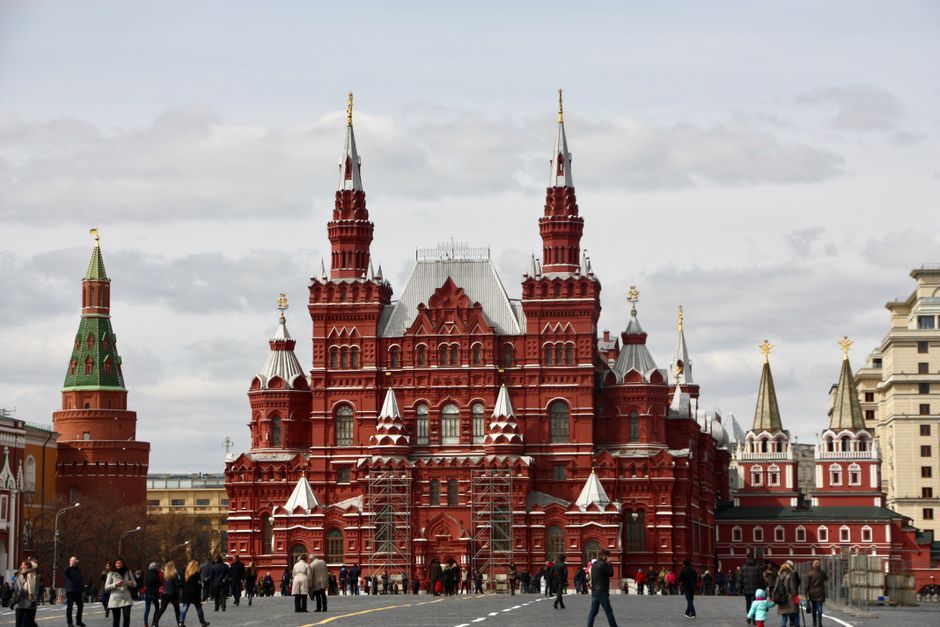
Stock photo for illustration only, not from the actual event
During his daily conference call with journalists, Russian President Vladimir Putin's spokesman Dmitry Peskov was directly asked whether such an energy ceasefire had indeed been agreed upon. Peskov responded cautiously, stating simply that contacts are continuing and promising to inform the public as soon as there is anything to say on the matter.
While the Kremlin representative kept his remarks brief, pro-Kremlin media outlets offered a much more candid perspective on the unfolding situation, concluding openly that Moscow stands to gain from the arrangement.
"Of course we benefit. It means that all Russia has to do is not destroy Ukraine's last remaining oil refinery."
Moskovsky Komsomolets
Pro-government publication Moskovsky Komsomolets pointed out that Ukraine's final remaining oil refinery has already endured multiple attacks and is barely functioning, whereas Kyiv would be barred from striking the multitude of refineries operating across Russia. In recent months, long-range Ukrainian drone strikes targeting Russian oil facilities have generated extensive damage and fueled nationwide shortages.
The energy ceasefire push highlights Donald Trump's domestic pressure to lower fuel prices through deals like importing Russian diesel, though skepticism remains over volume efficacy. Meanwhile, Moscow appears to calculate that a diesel agreement alongside US frustration with Zelensky could weaken Western intelligence sharing and weapons supplies to Kyiv.
Ukrainian President Volodymyr Zelensky previously urged a 60-day Russian ceasefire to accommodate upcoming presidential elections, though the Kremlin countered with a single-day cessation offer that was widely dismissed by Ukraine and Western allies as unserious. Putin continues to demonstrate minimal interest in halting hostilities as winter approaches.
Recent statements and strategic signals indicate that the Kremlin relies on sustained military strikes to ramp up pressure on Ukraine. Highlighting this ongoing offensive, Zelensky reported that Russian forces have struck six separate Ukrainian energy sites since Trump first announced the ceasefire proposal.
Source: BBC World
Found something wrong in this article? Report an issue with this article
Comments
Leave a Comment