

Drought declared across whole of Wales as conditions deteriorate
Natural Resources Wales implements nationwide drought measures on Thursday after July rainfall plummeted to 8%, heavily impacting wildlife, farming, and wildfires.
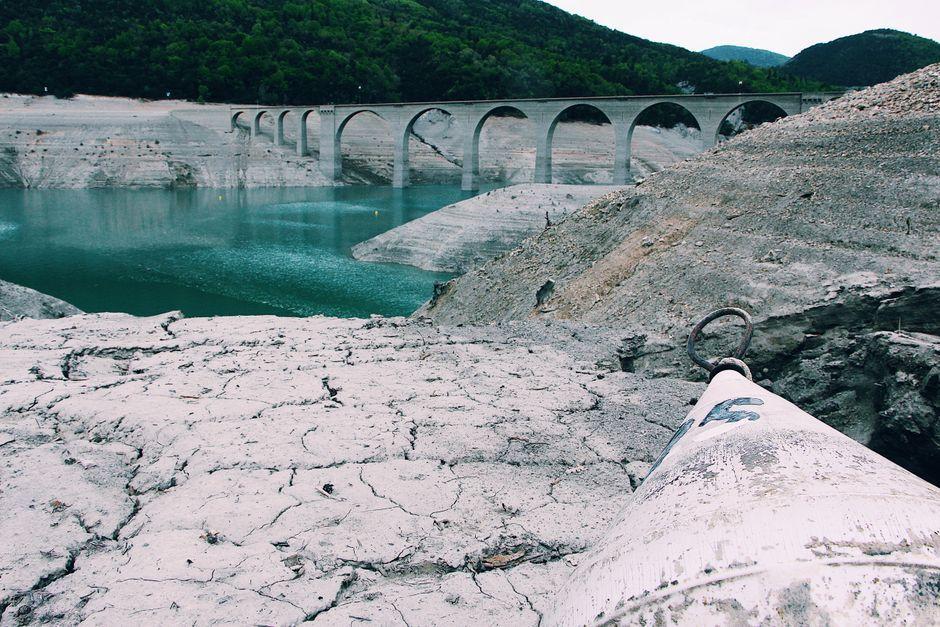
Stock photo for illustration only, not from the actual event
- Natural Resources Wales declared a nationwide drought across Wales on Thursday
- July rainfall dropped to just 8% of the long-term average
- Farmers faced heavy blows, selling livestock and seeing reduced wheat yields
- Officials confirmed home and business water supplies remain secure for now
Wales has been forced into a nationwide emergency footing as Natural Resources Wales (NRW) officially declared a drought across the entire country on Thursday. This decision follows an earlier announcement last week that covered northern and parts of mid Wales. The nationwide move comes in response to record-low river levels, parched soils, widespread wildfires, and mounting pressures on local wildlife, agriculture, and forestry.
The declaration will immediately trigger enhanced river monitoring systems and stronger guidance urging the public to use water responsibly. Nonetheless, authorities clarified that drinking water supplies for households and businesses are not currently under threat, as regional water companies reported that reservoir reserves are holding up adequately following a wet start to the year.
According to NRW figures, Wales received a meager 8% of its typical long-term average rainfall for the month of July, leaving the majority of the nation's rivers at exceptionally depleted levels. Groundwater reserves are similarly in decline, with numerous areas recording lower volumes than seasonally expected. This has resulted in dry riverbeds, distressed fish populations, algae accumulation, heightened wildfire hazards, and growing anxiety among farmers regarding crop development, grazing land, and livestock hydration.
<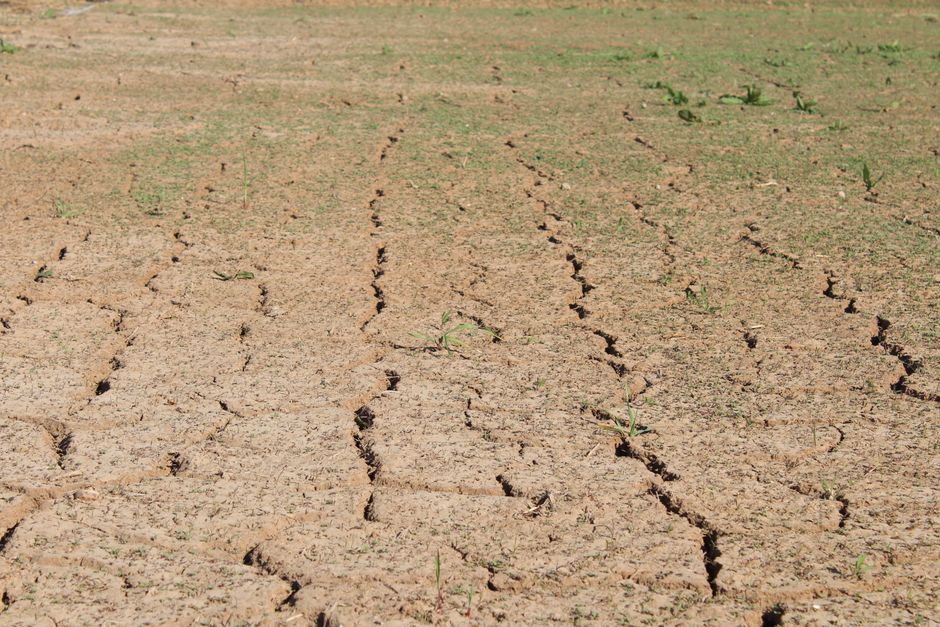
Stock photo for illustration only, not from the actual event
The prolonged dry spell has coincided with a surge of destructive wildfires across Wales. Earlier this month, a major blaze erupted in the Rhinogydd mountains of Gwynedd, growing large enough to be visible from space and requiring a firefighting helicopter to combat the flames. Meanwhile, residents evacuated near Conwy Mountain described hearing the approaching wildfire sound like popping corn as it rushed down the slopes. First Minister Rhun ap Iorwerth revealed he convened a special summit to address the escalating wildfire risks tied to severe droughts.
Environmental drought declarations managed by agencies like NRW differ fundamentally from commercial hosepipe bans enforced by private water utilities. While utility companies focus on immediate network demands and consumer consumption, environmental regulators prioritize ecological preservation, ordering reservoir releases to sustain river flows and imposing abstraction restrictions on commercial farms, canals, and golf courses.
George Tomlinson, a 29-year-old manager at Rossett Park Farming in Wrexham, shared that the crisis forced him to sell off 60 cows because the drought had completely destroyed his grazing pastures. He voiced deep concern regarding what the future might hold as longer and hotter summers become more frequent. Another local grower noted that hardened land had prevented him from planting crops altogether, emphasizing that he had never faced such extreme circumstances before.
"Our wheat deals are down between 20% and 30%. That is massive. We'll have to cope, we will survive, but the knock-on effect is huge."
Anthony
Anthony added his fear that once the rains eventually return, they might not stop in time, leaving him unable to prepare fields for next year's crops. National Farmers Union Cymru president Abi Reader warned that the persistent hot and dry weather will inflict severe and lasting financial pain on the agricultural community.
Source: BBC Science & Environment
Found something wrong in this article? Report an issue with this article
Comments
Leave a Comment