

Thick orange haze blankets Indonesian cities amid fires
Palangka Raya in Indonesia's Kalimantan region is blanketed in a dense orange smog as the ISPU air pollution index surges past 1,200, impacting millions across Southeast Asia.

Stock photo for illustration only, not from the actual event
- Palangka Raya in Indonesia is hit by a dense orange smog
- The ISPU air pollution index exceeded 1,200, four times the hazardous level
- Agricultural slash-and-burn practices are blamed for compounding the haze
- Toxic smog is affecting millions across Indonesia, Malaysia, and Singapore
Residents in the Indonesian city of Palangka Raya are facing severe visibility issues after a thick orange smog descended upon the area. Witnesses captured footage of the heavy haze rolling across the Kalimantan region, situated not far from active wildfire zones.
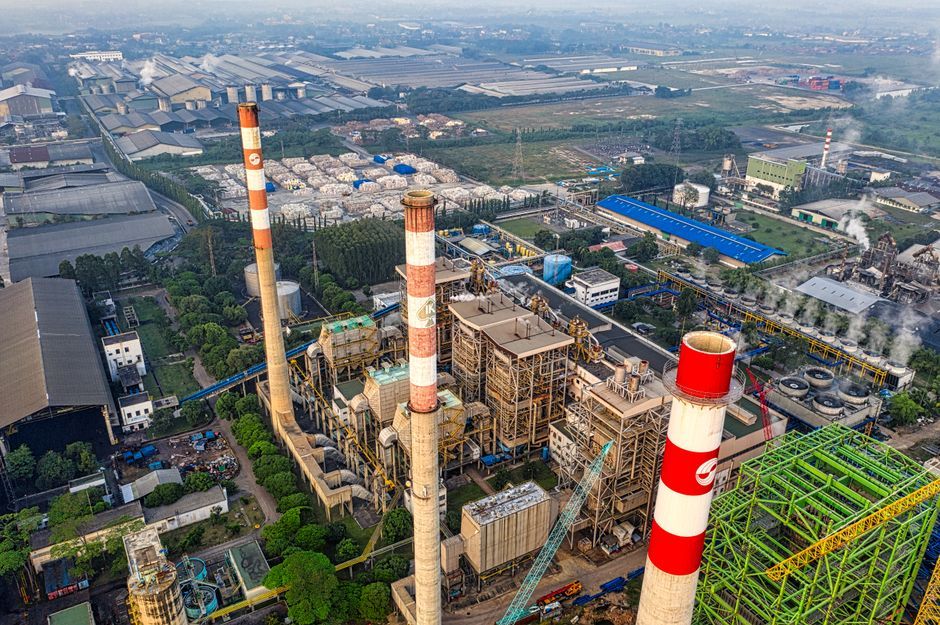
Stock photo for illustration only, not from the actual event
According to data provided by the national environment ministry on Wednesday, the ISPU air pollution index surpassed 1,200. This reading is four times higher than the official hazardous threshold of 300, highlighting the extreme nature of the pollution.
The toxic smog is currently choking millions of people not only within Indonesia but also extending its reach to neighboring Malaysia and Singapore, creating widespread environmental and health concerns.
Transboundary haze has long been a recurring environmental challenge in Southeast Asia. Traditional agricultural clearing methods, combined with dry weather conditions and peatland fires, often create persistent air pollution crises that require coordinated regional management to resolve effectively.
Authorities have pointed to the traditional agricultural clearing method known as slash and burn as a major contributing factor that has intensified the dense haze blanketing the region.
Source: BBC Science & Environment
Found something wrong in this article? Report an issue with this article
Comments
Leave a Comment