

India aims to join the elite ranks of strawberry superpowers
An in-depth look at strawberry farming in Mahabaleshwar, heavy reliance on foreign varieties, and tech upgrades to compete globally.
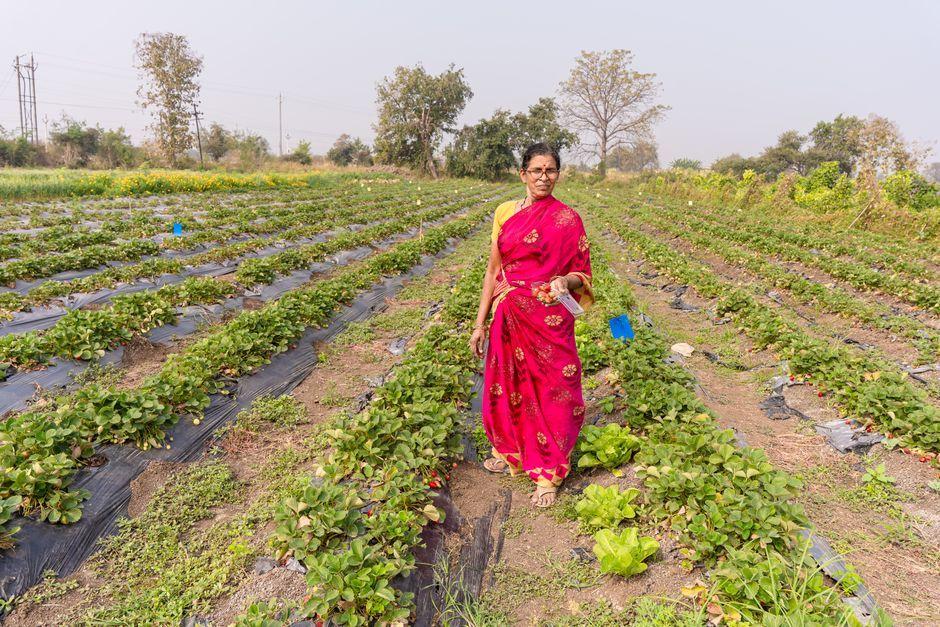
Stock photo for illustration only, not from the actual event
- Mahabaleshwar hosts around 85% of India's strawberry cultivation.
- Farmers must import certified mother plants from the US and Europe annually.
- MPKV and BARC are utilizing gamma irradiation to breed domestic varieties.
- Large farms are adopting hydroponics and precision agriculture to counter weather risks.
Nestled in the mountainous region of western India, Mahabaleshwar serves as the heartland for the nation's strawberry farms, accounting for approximately 85% of total cultivation. Sitting at an altitude exceeding 1,000 meters (3,280 feet), the area enjoys a long, cool growing season stretching from November through March, paired with light, well-drained soil tailored for growing the fruit.
However, running these farms is far from simple, demanding intense labor alongside substantial financial risks. Sheetal Danavle, who cultivates strawberries on half of a three-acre plot alongside her husband, explained that a sudden heavy downpour on a ripe field can completely ruin the harvest and subject them to devastating financial losses.
Strawberry plants cannot be grown from seeds and must be replaced every single season, forcing farmers to purchase young plants from suppliers. For Danavle, operating a small farm requires an outlay of 2,500 dollars (1,900 pounds) each year. She noted that while a successful season can yield double the investment, unpredictable weather transforms the occupation into a massive gamble.
"If the season goes well, you can earn double your investment. But the climate makes it a huge gamble."
Sheetal Danavle
Despite thousands of farmers making strawberries one of western India's most profitable horticultural crops, the industry remains heavily dependent on varieties imported from California, Florida, Italy, and Spain since no domestic plant has been successfully developed locally. Breeders in the US and Europe typically spend 10 to 15 years developing top-tier fruits protected by patents. Nelson Sequeira, founder of Tara Farms Fresh, notes that imported mother plants must go through rigorous government quarantine before nursery propagation, where a single mother plant can shoot out runners to yield an average of 20 daughter plants.
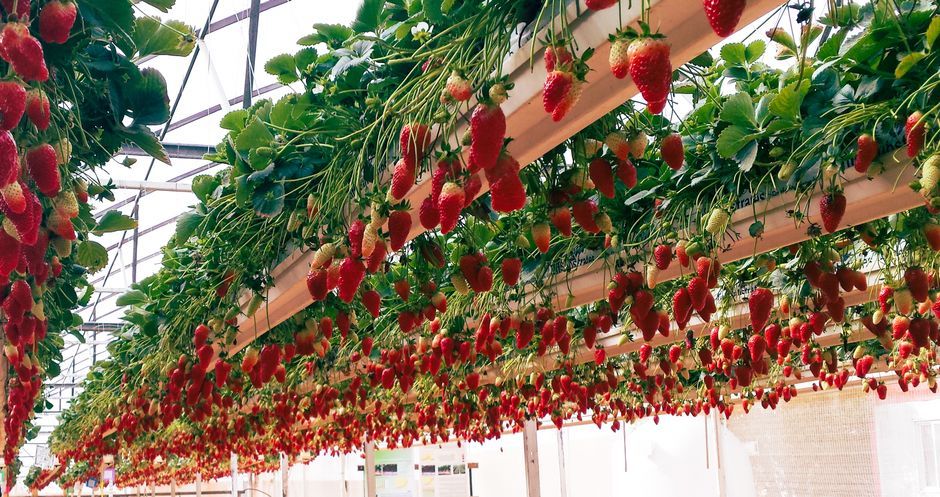
Stock photo for illustration only, not from the actual event
Relying on patented foreign plant varieties creates structural challenges for developing agricultural markets, exposing farmers to high costs and strict intellectual property constraints. India's research initiatives into induced genetic mutations represent a crucial step toward long-term agricultural self-reliance.
To break this cycle, Mahatma Phule Krishi Vidyapeeth (MPKV), an agricultural university in Maharashtra, has partnered with the Bhabha Atomic Research Centre (BARC) to conduct breeding experiments utilizing controlled, low-dose gamma irradiation on plant tissues. Meanwhile, researchers are also standardizing planting schedules and fertilizer regimens to assist growers immediately.
Major commercial entities are also investing heavily in advanced technology. Ketan Yashwant Sodha, CEO of Berry Fresh Agrotech, began experimenting with soil-free hydroponics in 2022 to combat recurring unseasonal rainfall. By tightly regulating water, nutrients, and micro-climates, his facility has successfully trialed 19 different varieties, including rare Japanese and Dutch cultivars.
Source: BBC Science & Environment
Found something wrong in this article? Report an issue with this article
Comments
Leave a Comment