

Hormuz ship attacks hit record high as oil exports slow
BBC Verify data reveals a record 12 vessel attacks near the Strait of Hormuz in one week, slowing down Middle East oil shipments.

Stock photo for illustration only, not from the actual event
- Reported ship attacks in and around the Strait of Hormuz hit a record high.
- Twelve vessels were targeted between October 5 and 11, marking a weekly peak.
- Daily oil shipments through the strait dropped to 12.6 million barrels.
- Iran has expanded strike ranges to assert control over the vital waterway.
The number of vessels reporting attacks in and around the Strait of Hormuz has reached an unprecedented peak, according to an analysis of data from a UK maritime agency by BBC Verify amid escalating regional tensions.
Twelve ships were targeted between October 5 and 11, representing the highest weekly strike tally reported to the UK Maritime Trade Operations (UKMTO) agency since the US-Israeli conflict with Iran began. The preceding week saw 10 reported incidents, while a one-day high of six vessels were struck on Sunday alone.
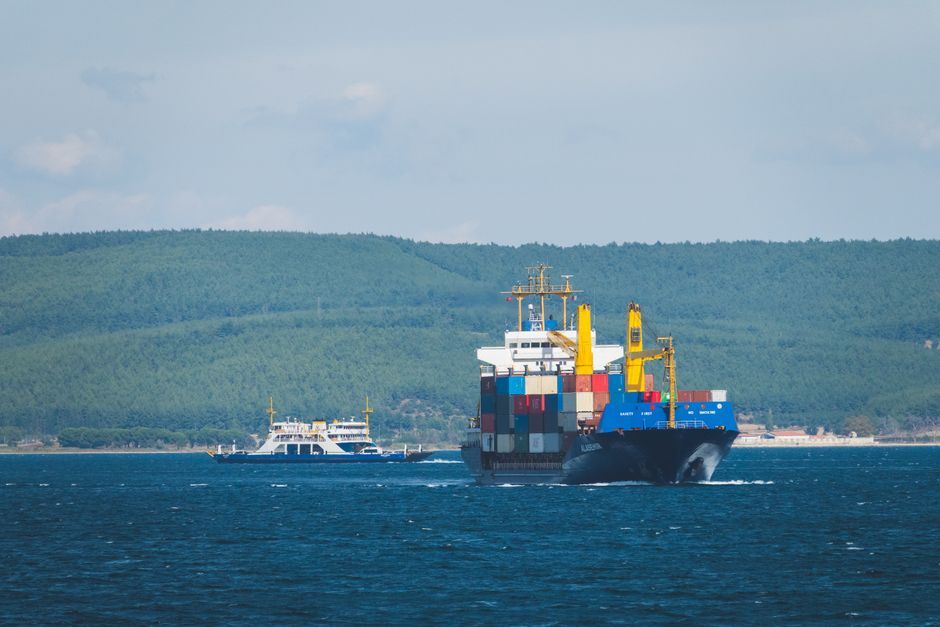
Stock photo for illustration only, not from the actual event
As the frequency of strikes escalates, the recovery in oil shipments moving through the strait observed last month has noticeably slowed. Trade intelligence firm Kpler reported that roughly 12.6 million barrels per day transited the strait on October 13, down from 15 million at the end of September and remaining well below the pre-war baseline of approximately 17 million barrels daily.
The Strait of Hormuz serves as one of the world's most critical maritime energy transit chokepoints, connecting the Persian Gulf with the Gulf of Oman. Disruptions and heightened naval security escorts directly impact global energy supply chains, creating severe volatility risks for international oil transport costs and energy markets.
Experts explain that Tehran has been targeting vessels to establish greater control over the passage, counteracting US military efforts to shepherd tankers through the southern part of the strait. US Navy figures indicate that assisted transits during the first ten days of October rose 85% compared to August levels.
Attacks have persisted with container ship GFS Pride sinking following a strike in the strait on Tuesday, though all 21 crew members safely evacuated. Martin Kelly told BBC Verify that Iran is widening its offensive scope, targeting commercial ships near Gulf Arab state coasts and the Gulf of Oman.
"The aim here is to stop the ships going through and to deter others,"
Martin Kelly
Stock photo for illustration only, not from the actual event
Source: BBC World
Found something wrong in this article? Report an issue with this article
Comments
Leave a Comment