

Kevin Warsh on AI economy, inflation and Fed policy
Reflecting on 148 days as Fed Chair at IMF in Bangkok, Kevin Warsh discusses AI productivity boosts, inflation risks, and new policy approaches.

Stock photo for illustration only, not from the actual event
- Kevin Warsh outlines Fed task force initiatives focusing on productivity and labor dynamics
- He calls AI a monumental economic shift while warning of a bumpy road ahead
- Stresses that modern central banking will avoid predictable forward guidance for flexibility
The US Federal Reserve holds immense influence over global interest rates and economic stability, making every statement from its leadership a focal point worldwide. During the annual meetings of the International Monetary Fund (IMF) and the World Bank in Bangkok, IMF Managing Director Kristalina Georgieva hosted Federal Reserve Chair Kevin Warsh in a fireside chat that drew overwhelming attendance and required overflow rooms.
Warsh assumed office as the 17th Fed Chair last May, following diverse roles as a visiting economic researcher at the Hoover Institution, lecturer at Stanford Graduate School of Business, and partner at Duquesne Family Office. Earlier in his career, he worked at Morgan Stanley and advised President George W. Bush on capital markets. Georgieva highlighted his tenure as the youngest Fed governor in history at age 35 during the Global Financial Crisis, an experience Warsh noted left lasting caution that continues to shape his economic perspective.
Discussing global economic conditions, Warsh noted that policymakers constantly juggle lagging historical data against unpredictable future horizons like 2027 and 2028. The Fed evaluates real-time developments through roughly eight FOMC meetings annually while maintaining dialogue with global counterparts. Unlike economic anxieties from two decades ago focused on secular stagnation, today's landscape features structural growth driven by heavy investment in the United States.
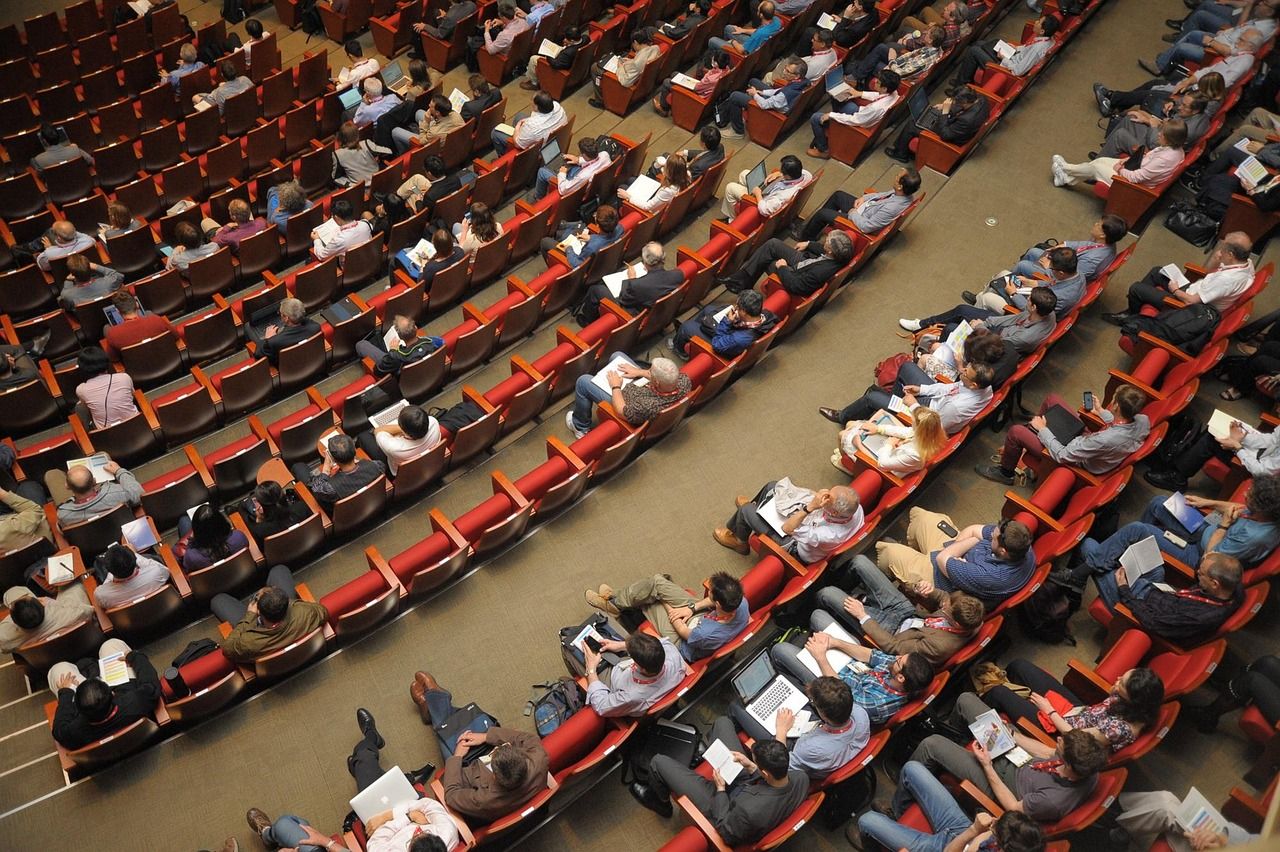
Stock photo for illustration only, not from the actual event
Amid robust investment waves, lingering price pressures prompted the Fed to raise interest rates roughly a month ago to protect price stability. Warsh signaled a new chapter for the central bank, stating it will no longer telegraph upcoming meeting outcomes in advance, departing from traditional communication strategies.
The Federal Reserve's shift away from rigid forward guidance highlights an adaptive strategy in response to fast-moving macroeconomic shocks driven by emerging technologies and geopolitical shifts. By retaining tactical flexibility, central bankers can react more effectively to incoming real-world data without locking themselves into premature policy commitments.
Addressing the dual impact of artificial intelligence and geopolitical fragmentation on global inflation, Warsh emphasized that AI represents the most profound economic transformation of his lifetime. To navigate this transition, he established external task forces focusing on productivity and employment, with their first public listening session scheduled for November 16 in the Bay Area.
"Optimistic, but hope weighted down by seriousness of purpose"
Kevin Warsh
Source: Techsauce
Found something wrong in this article? Report an issue with this article
Comments
Leave a Comment