

UK Pubs and Clubs Get Tax Cuts. Hotels Get Left Out — Again
UK hotels are pushing back after being excluded from two consecutive rounds of business rates relief, missing out while pubs and clubs secure tax cuts.
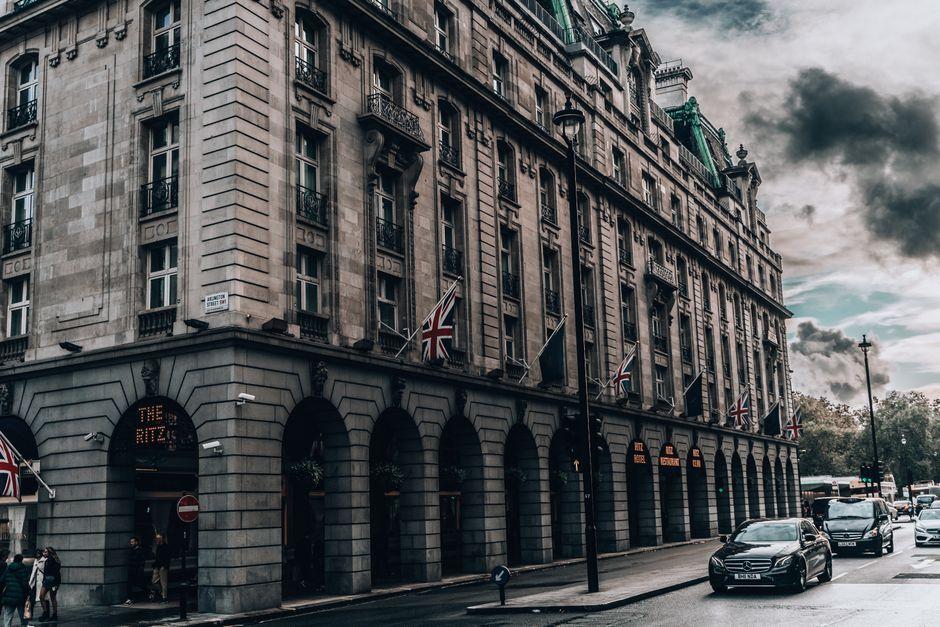
Stock photo for illustration only, not from the actual event
- UK hotels missed out on two consecutive rounds of business rates relief.
- New PM Andy Burnham announced tax cuts for pubs and clubs, ignoring hotels.
- Tax structures penalize success by tying liabilities to expected revenues.
- Travelodge faces a tax jump from 38 million pounds to 50 million pounds.
The hospitality sector in the United Kingdom is facing mounting frustration after being deliberately left out of government business rates relief packages for the second consecutive time. Despite high hopes for a change in policy, a fresh round of tax cuts announced by newly appointed Prime Minister Andy Burnham just three days after taking office exclusively benefited pubs, clubs, and live music venues, leaving hoteliers completely empty-handed and searching for answers.
This ongoing exclusion has sparked sharp backlash from industry leaders who feel the current tax code places lodging providers at an unfair disadvantage. Dominic Paul, CEO of Premier Inn parent company Whitbread, did not mince words, stating in a public remark on the day of Burnham’s announcement that the government's latest move would fail to shift the needle for the vast majority of businesses operating in the sector.

Stock photo for illustration only, not from the actual event
The core grievance of the hotel industry is structural rather than temporary. Unlike standard commercial real estate, UK hotels are taxed based on the estimated annual revenue they are expected to generate. This means that a property achieving stronger trading performance is automatically slapped with a higher rateable value, resulting in an inflated tax bill regardless of external economic pressures.
"Unlike most commercial real estate, stronger trading performance can result in higher business rate liabilities, even when operators are facing rising labour, energy, and financing costs."
Joe Stather, head of EMEA hotels and hospitality research at JLL, pointed out that this mechanism creates a fundamental disconnect between the actual business drivers and the statutory tax liabilities imposed on operators. Compounding the issue further, under the November 2025 Budget framework, properties assessed above the 500,000 pound threshold—a benchmark easily cleared by numerous hotels—are subjected to the highest tax brackets under the revised system.
The government's persistent preference for supporting pubs and live music venues over hotels often stems from political perceptions that pubs represent fragile community cornerstones. In contrast, hotels are frequently mischaracterized as deep-pocketed corporate entities, ignoring the massive fixed costs and thin operational margins regional and chain properties manage daily. Because rateable values scale upward with better performance, hotels essentially face a penalty for high occupancy and strong management, which ultimately dampens long-term capital investment in the nation's tourism infrastructure.
Industry data reveals that taxable values across the broader accommodation sub-sector have jumped by an average of 76 percent, with high-end properties and major chains seeing spikes between 97 percent and 110 percent. For instance, budget giant Travelodge anticipates its annual tax liability will surge from 38 million pounds to 50 million pounds in a single year. While institutional investors have not yet staged a mass retreat, financial analysts warn that this widening mismatch between trading performance and tax burden is increasingly weighing on property underwriting and will inevitably erode profit margins across every market segment.
Source: Skift
Found something wrong in this article? Report an issue with this article
Comments
Leave a Comment