

Donald Trump faces familiar economic dilemma
Donald Trump faces economic challenges similar to Joe Biden, as 2.2% GDP growth and 4.2% unemployment clash with 3.7% inflation and high prices.

Stock photo for illustration only, not from the actual event
- Donald Trump faces public frustration over the economy despite positive macroeconomic data.
- Inflation rises 3.7% while average hourly earnings grow only 3%, straining household budgets.
- Tariffs and higher energy prices from geopolitical tensions worsen the inflation challenge.
The White House is confronting a familiar dilemma. Economic figures are not necessarily poor, but public sentiment certainly is. This disconnect famously haunted Joe Biden in 2024, when solid headline data failed to convince voters that the economy was working for their daily lives.
Now, Donald Trump faces a version of the exact same challenge. During the 2024 presidential campaign, Trump promised voters swift relief from rising prices, stating that he would immediately bring prices down upon winning office. Delivering on that specific promise has proven considerably harder than anticipated.
Economic growth is currently holding up, unemployment remains low, and the stock market is hovering near record highs. Yet, the final inflation report ahead of the midterm elections confirms what voters already experience firsthand: consumer prices remain stubbornly high.
The underlying causes differ from the previous administration. While Biden grappled with the aftermath of the Covid-19 pandemic, Trump faces higher energy prices linked to the US-Israel conflict with Iran, alongside fallout from his own trade and immigration policies. However, the political reality remains identical. Voters do not evaluate the economy based on gross domestic product figures or stock market records; they judge it by supermarket receipts, petrol costs, and their ability to keep up with monthly bills.
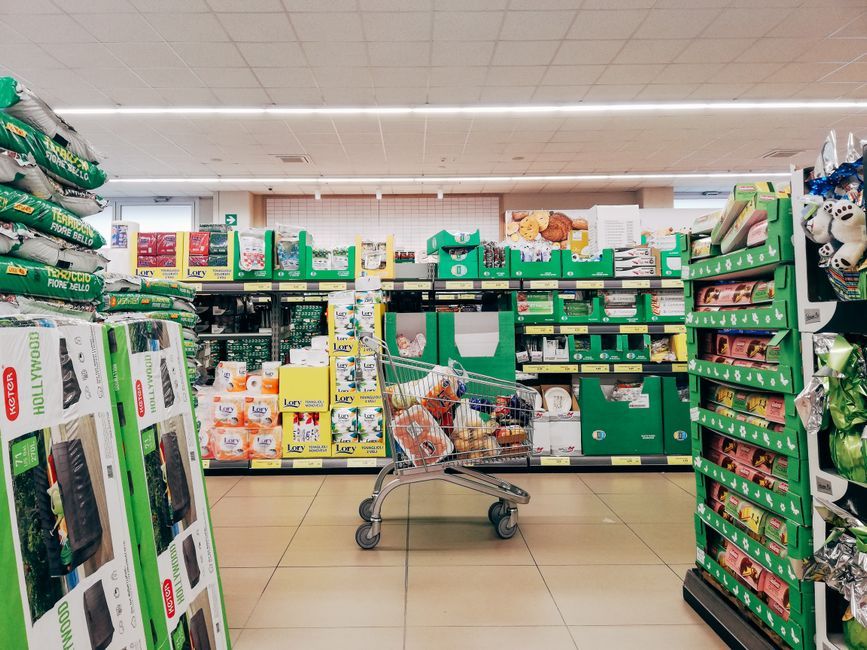
Stock photo for illustration only, not from the actual event
This profound gap between macroeconomic indicators and public perception highlights a core challenge in modern governance. When economic growth is driven by capital markets rather than broad-based wage increases that outpace inflation, citizens naturally feel alienated from official success stories.
Celinda Lake, a veteran Democratic pollster, notes that the root of the communication breakdown lies in how economists and everyday voters use identical terminology to convey completely different realities, explaining:
"When economists say inflation comes down, they mean the rate of increase has come down. When voters say inflation has come down, they mean the price has returned to what it was. Well, of course, it never returns to what it was."
Celinda Lake
Peter Morici, a University of Maryland economist aligned with Republicans, argues that current price pressures can be directly linked to Trump's policy decisions. A study conducted by the Federal Reserve Bank of New York revealed that implemented tariffs pushed consumer goods prices up by approximately 2.9%, while subsequent geopolitical shocks involving Iran further lifted petrol costs and household financial strain.
Source: BBC Business
Found something wrong in this article? Report an issue with this article
Comments
Leave a Comment