

Burnham aims to cut welfare bill as soon as possible amid debate
UK welfare spending is forecast to hit £431bn by 2031/32, as the government faces pressure over reform timelines.

Stock photo for illustration only, not from the actual event
- UK welfare spending is projected to grow from £353bn this year to £431bn in 2031/32.
- Downing Street stated it is not setting an arbitrary target or timetable for cutting the welfare bill.
- Two major reports due in November will provide further details on government welfare proposals.
- Conservative leader Kemi Badenoch criticized the government over out-of-control welfare spending.
Opponents have raised concerns regarding the lack of specific details surrounding welfare reform in the recent Budget, following official forecasts that welfare spending will surge from £353bn in the current year to £431bn by the 2031/32 financial year.
The issue sparked political debate after the Treasury disputed remarks made by Chancellor John Healey to the BBC regarding potential cuts to the benefits bill before the next general election, which must take place by August 2029. Treasury sources clarified that the comments should not be interpreted as a firm promise, while Downing Street later maintained that it was not establishing any arbitrary targets or timelines.
The prime minister's official spokesperson declined to clarify whether the ambition to reduce welfare spending involved driving costs below current levels or simply slowing down the projected rate of future increases. Further proposals are anticipated following the publication of two major reports scheduled for November.
The upcoming publications include a review of disability benefits co-chaired by Labour minister Sir Stephen Timms and a study on young people not in education, employment, or training (Neet) led by former minister Alan Milburn. These reviews follow former Prime Minister Sir Keir Starmer's previous attempt to overhaul the welfare system by tightening health-related benefit eligibility, which triggered a backbench revolt and a major policy reversal in June 2025.
During a visit to Derby, Burnham emphasized that the immediate priority ahead is the release of the Milburn report. In response to the Budget, Conservative Party leader Kemi Badenoch argued that the nation was overspent, overborrowed, and burdened by an uncontrolled welfare system.
"Looks like foot in mouth syndrome is spreading."
Kemi Badenoch
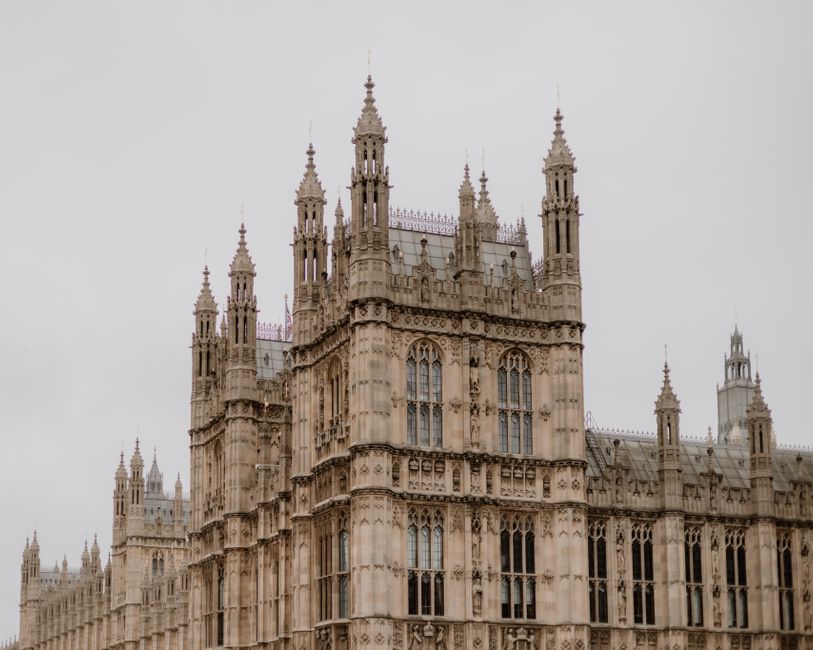
Stock photo for illustration only, not from the actual event
The ongoing debate over the UK's welfare expenditure highlights the delicate balancing act between fiscal responsibility and social support, particularly as demographic shifts drive up health and pension costs. The forthcoming independent reports in November will serve as a crucial test of whether the administration can successfully navigate structural reforms without reigniting fierce internal party opposition.
Data from the Office for Budget Responsibility (OBR) shows that welfare spending is set to increase by £19bn this year to reach £353bn, driven largely by health-related and pensioner benefits. Out of the £431bn projected for 2031/32, £209.8bn is allocated to pensioners, £110.7bn to universal credit and legacy equivalents, and £69.6bn to disability benefits such as personal independence payments.
Source: BBC Politics
Found something wrong in this article? Report an issue with this article
Comments
Leave a Comment