

Thai Parliament 2026: Sports Ministry Split & Parit's Proposal
Thai parliament voted 310-1 to approve the bill splitting the sports ministry from tourism on Nov 11, 2026, alongside new assembly rules.

Stock photo for illustration only, not from the actual event
- Parliament voted 310 to 1 to approve the bill separating the sports ministry from tourism and sports
- A special committee was established to further review the ministerial restructuring bill
- Parit proposed amending parliamentary rules to require the Prime Minister to answer live questions monthly
The House of Representatives convened at 5:15 PM on November 11, 2026, at the Sappaya-Sapasathan Thai Parliament in Bangkok, presided over by House Speaker Sophon Saram. Following the conclusion of the first reading on the Act on the Reorganization of Ministries, Bureaus, and Departments, the floor moved to deliberate structural adjustments concerning government agencies in sports, tourism, and cultural sectors.
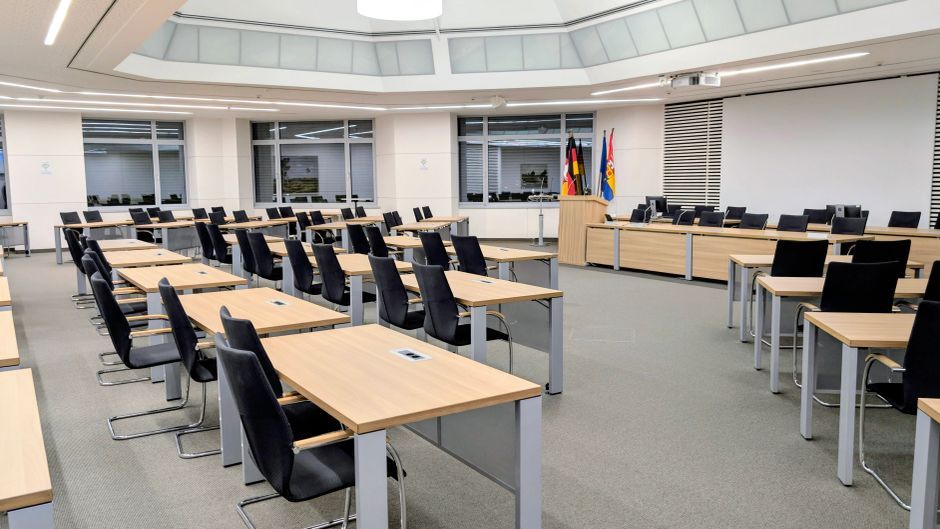
Stock photo for illustration only, not from the actual event
The parliamentary assembly voted to approve the principle of the bill, which officially separates the sports sector from the Ministry of Tourism and Sports while merging the Ministry of Culture into the tourism sector. The voting results showed 310 votes in favor, 1 against, and 137 abstentions. Additionally, the assembly resolved to establish an ad-hoc committee to scrutinize the details of the restructuring bill moving forward.
Following the voting session, the meeting proceeded to deliberate the draft rules of procedure for the House of Representatives. During this session, Parit took the floor to propose an amendment requiring the Prime Minister to personally attend and answer live parliamentary inquiries at least once a month, aiming to enhance executive accountability through legislative oversight.
Requiring the head of the executive branch to regularly address live legislative questions on a fixed schedule is a vital mechanism for maintaining checks and balances in a parliamentary democracy. Live interpellations allow elected representatives to hold the government directly accountable for urgent public issues without the lengthy delays typical of standard written inquiries. Debates over parliamentary rules regarding executive attendance often spark intense negotiations between the ruling coalition and opposition parties regarding institutional efficiency and political responsibility.
Source: Khaosod Politics
Found something wrong in this article? Report an issue with this article
Comments
Leave a Comment