

How much could Trump's 'economic D-Day' hurt Iran?
The US government is preparing new economic sanctions targeting Iran and supporting nations, with Treasury Secretary Scott Bessent revealing details on August 24.
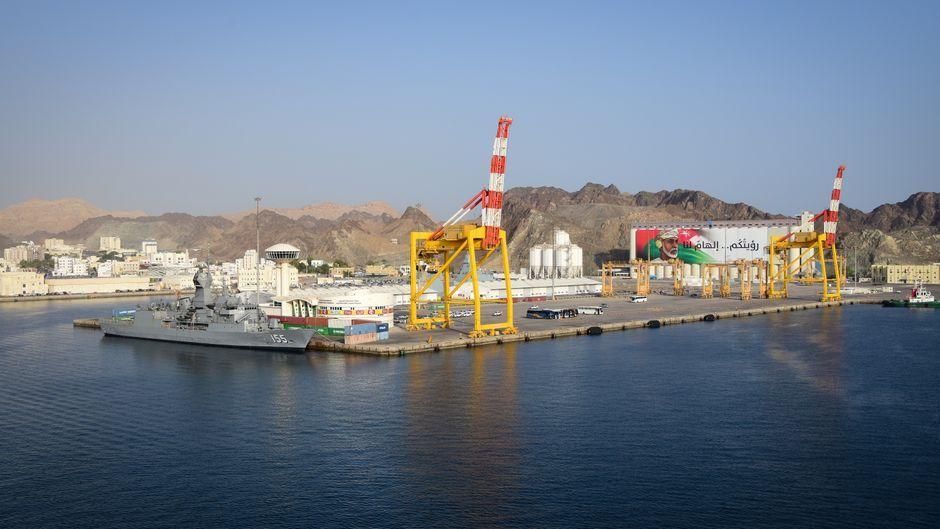
Stock photo for illustration only, not from the actual event
- The US will reveal details of a new Iran economic pressure campaign on August 24.
- The primary goal is targeting third countries dealing with Iran that rely on the US dollar.
- Iran has proven adept at bypassing sanctions using shadow oil tanker vessels.
- Effectiveness depends heavily on reactions from targeted nations like China, Turkey, and Iraq.
Iran has long faced sanctions since the inception of the Islamic Republic in 1979 and has so far demonstrated a willingness to endure pain alongside a capacity to adapt to immense economic and military pressure. The key question for the US moving forward is whether further economic penalties will succeed where previous strategies have fallen short.
The exact mechanics of the upcoming US economic pressure campaign remain unclear, with Treasury Secretary Scott Bessent promising to unveil them during a news conference on August 24. Nevertheless, Bessent made it clear in an CNBC interview that Washington is prepared to take action against any nation, friend or foe, believed to be throwing a lifeline to Iran.
Economic pressure against Tehran intensified after the first Trump administration withdrew from the Joint Comprehensive Plan of Action (JCPOA) in 2015, a landmark pact between world powers and Iran to curb its nuclear program. In the current conflict, the US government has already rolled out Operation Economic Fury, a two-pronged campaign combining Treasury-coordinated sanctions on regime financial flows with a naval blockade targeting Iranian ports.
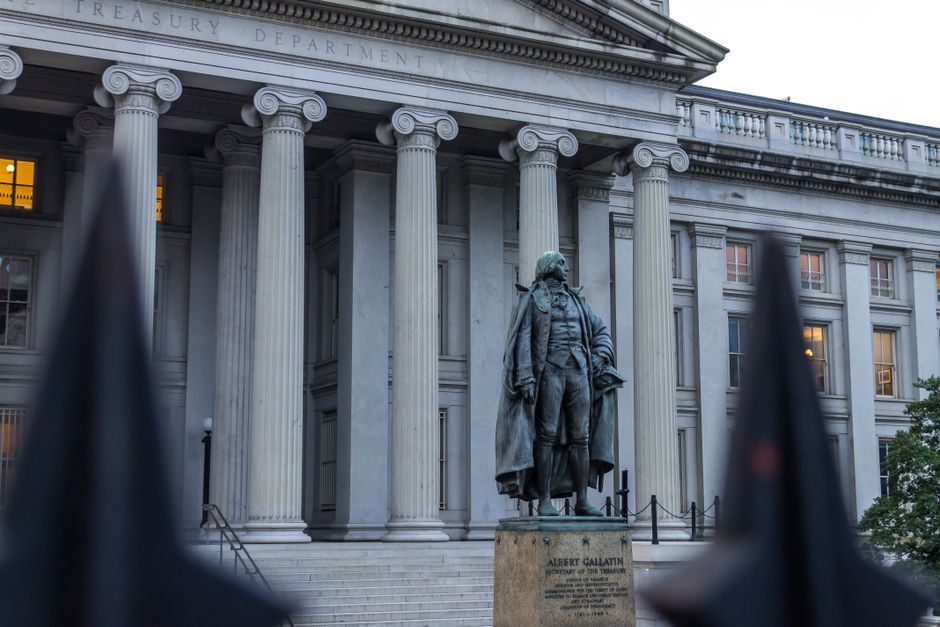
Stock photo for illustration only, not from the actual event
Deploying secondary sanctions targeting transactions touching the US dollar serves as a potent geopolitical lever. Since global trade heavily relies on the dollar, third-country institutions are forced to choose between conducting business with Iran or retaining access to the US financial system. While Tehran has historically utilized illicit channels to evade detection, clamping down on dollar-denominated financial lifelines could significantly widen the economic fallout.
Imran Bayoumi, a geostrategy expert with the Atlantic Council in Washington DC and a former policy adviser to the defense department, told the BBC that the latest announcement likely stems from mounting frustration that alternative options have failed to deliver Trump's desired results. Meanwhile, Michael Parker, an eight-year veteran of the Office of Foreign Assets Control (OFAC) and an economic sanctions expert, stated that the fresh strategy aims to expand the economic blast radius by targeting third nations that still trade with Iran while relying on the US dollar.
"Thus far, the US has largely used the threat of these secondary sanctions against foreign financial institutions to encourage compliance with sanctions policy. But this is a lever that is sort of unexplored insofar as targeting anything touching the US dollar that is also touching Iran."
Michael Parker
Parker highlighted foreign financial institutions that assist Iran in evading restrictions or channel funds into Iranian coffers as prime examples. How Tehran will react to these maneuvers remains uncertain, though sanctions experts point out that Iran has consistently proved skilled at utilizing irregular channels, such as shadow oil tankers and unlisted commercial fronts, leaving compliance enforcers in a perpetual game of catch-up.
The ultimate effectiveness of these sanctions will largely hinge on how targeted countries, potentially including US allies like Turkey and Iraq alongside China, choose to respond. Parker maintains that sanctions are only as powerful as the willingness of targeted nations to comply with American foreign policy objectives or risk damaging trade penalties involving the US dollar, though some analysts question whether that compliance willingness currently exists.
Source: BBC World
Found something wrong in this article? Report an issue with this article
Comments
Leave a Comment