

Abhisit Slams Energy Budget Over Broken Promises on Fuel
Democrat Party leader Abhisit Vejjajiva pushed to cut 10% of the energy budget at the Thai parliament on Sept 8, 2026, criticizing failed price reforms.
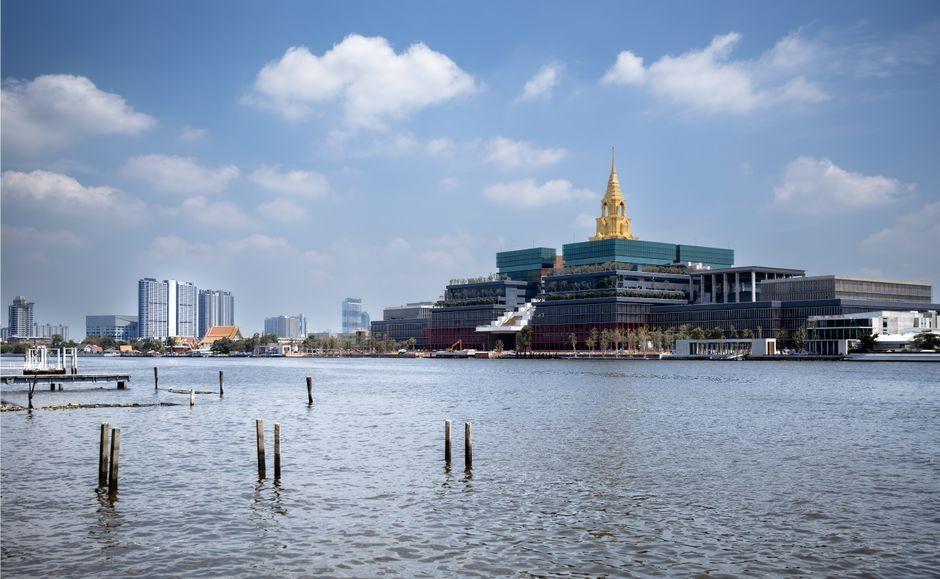
Stock photo for illustration only, not from the actual event
- Abhisit Vejjajiva proposed a 10% budget cut for the Ministry of Energy on Sept 8, 2026.
- Criticized the government for failing to lower fuel prices and restructure energy costs.
- Argued that the 10-billion-baht refinery fund fails to make corporate groups share the burden.
- Questioned the sustainability of funding and the lack of concrete transition projects.
On September 8, 2026, at 10:20 PM at the Sappaya-Sapasathan Thai Parliament Bangkok, during the deliberation of Section 18 regarding the Ministry of Energy, Democrat Party leader and list-MP Abhisit Vejjajiva debated for a 10 percent budget reduction for the ministry. He stated that the agency has failed to adequately protect the interests of citizens and the country, particularly regarding the ongoing crises of high fuel prices and electricity costs.
Abhisit noted that while Thailand has experienced even higher oil prices in the past, previous administrations managed diesel prices much more effectively. He expressed deep disappointment over the minister's earlier promises to implement a major structural overhaul and compel major energy businesses and capitalists to share the financial burden alongside the government to help citizens. However, after half a year, no concrete structural changes have materialized.
Context and Analysis: Parliamentary budget debates serve as a crucial mechanism for the opposition to scrutinize government spending and policy implementation, particularly within critical economic portfolios like the Ministry of Energy. Energy pricing remains a highly sensitive political issue directly impacting household expenses, making such debates a key pressure point for evaluating government accountability and campaign promises.
The Democrat leader pointed out the case of extracting approximately 10 billion baht from oil refineries. He argued that examining the actual profit figures of these refineries and their ongoing return formulas—which ensure refinery profit margins remain intact—shows that corporations are not genuinely sharing the financial burden with the public. The formula still serves to protect business sector interests.
Stock photo for illustration only, not from the actual event
Regarding electricity tariffs, Abhisit stated that during periods of price volatility, the formula must be adjusted, yet no concrete action has been taken. Furthermore, the government has failed to provide a clear answer to society on how it plans to sustainably fund its campaign promises. He expressed concern that the administration will ultimately resort to slicing profits from state enterprises, which belong to the public, leaving citizens to bear the ultimate burden.
The final issue raised by Abhisit involved the energy transition and budget management, including discussions over a 200-billion-baht loan and redundant central budget allocations. He emphasized that the government has failed to provide clear answers on whether these vetted projects can actually be implemented successfully and effectively.
Source: Khaosod Politics
Found something wrong in this article? Report an issue with this article
Comments
Leave a Comment