

US Interest Rates Raised for First Time in Three Years
The Federal Reserve unanimously hiked interest rates to 3.75%-4% to combat inflation, defying fierce criticism from Donald Trump.
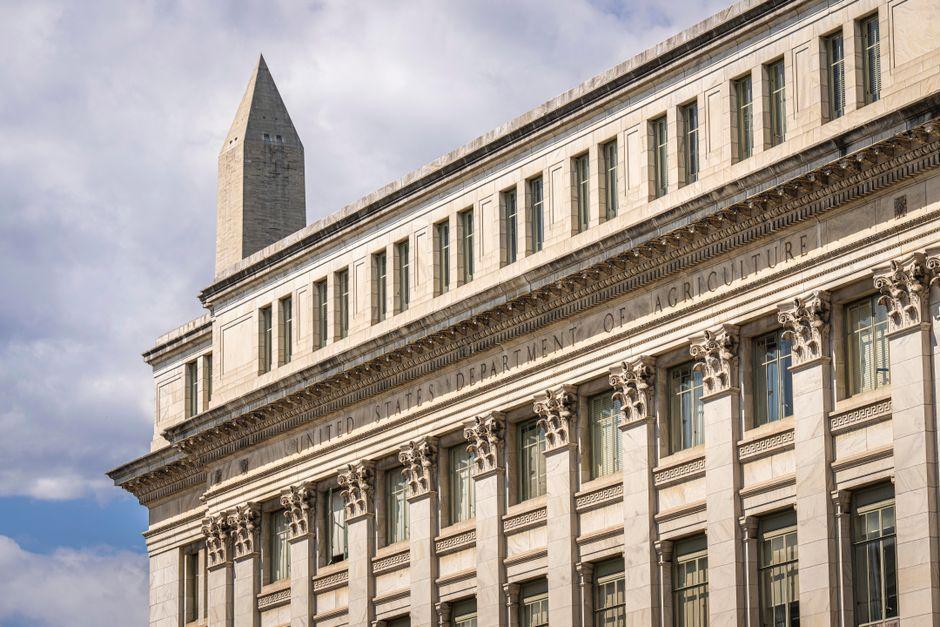
Stock photo for illustration only, not from the actual event
- The US Federal Reserve raised interest rates to 3.75%-4%.
- This marks the first rate hike in over three years since July 2023.
- Donald Trump strongly opposed the move and demanded immediate cuts.
- Major US banks increased their prime lending rate to 7% in response.
The US Federal Reserve has raised interest rates to a range of 3.75%-4% from 3.5%-3.75% in a unanimous decision aimed at slowing rising prices and curbing persistent inflation. This adjustment represents the first rate increase in more than three years, following the last hike in July 2023 and a previous round of cuts delivered in December 2025.
The central bank's decision faced fierce opposition from Donald Trump, who argued that borrowing costs should be set at 1% or lower because the United States possesses the strongest credit in the world. Trump later took to social media to demand rapid interest rate cuts. Meanwhile, Democratic lawmakers on Capitol Hill expressed concern that the hike would make loans considerably more expensive and push more Americans into debt.
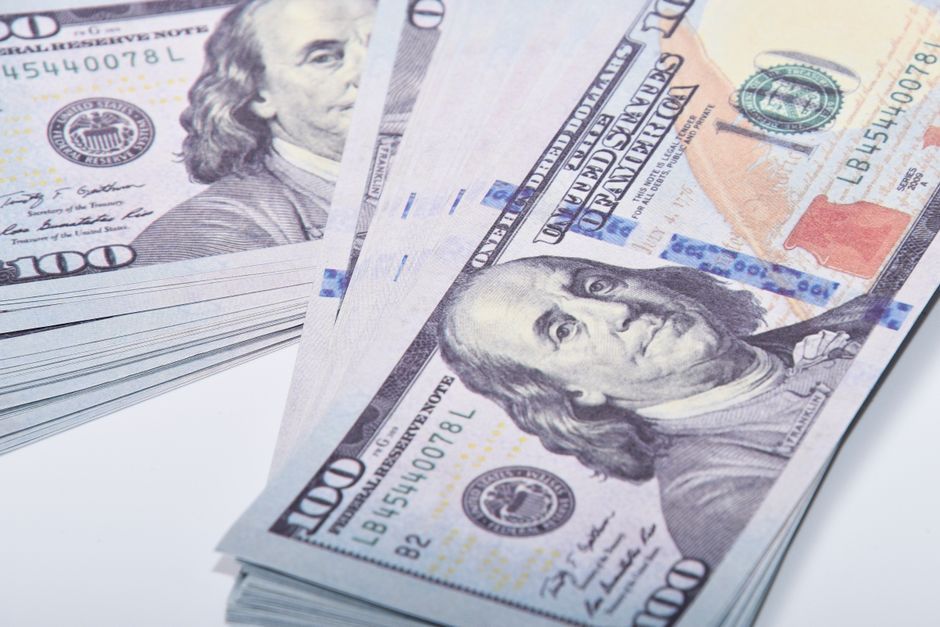
Stock photo for illustration only, not from the actual event
During a press conference, senior Fed officials noted that while leadership maintained an optimistic outlook, inflation remained a persistent issue. The central bank targets an inflation rate of 2% or lower, a threshold that US inflation has exceeded for more than five years. This ongoing pressure has driven up the cost of living, making affordability a top concern for American voters, particularly as fuel prices surge following soaring wholesale oil costs amid the US-Israel conflict with Iran.
The Federal Reserve's decision to raise interest rates highlights the delicate balancing act central banks face amid political pressures and geopolitical shocks. By increasing borrowing costs, the Fed aims to cool down consumer spending and curb broad-based price pressures across the economy. However, higher rates also risk dampening corporate investment and slowing economic momentum in the short term. This mirrors similar tightening measures adopted by global counterparts, such as the European Central Bank and the Bank of England, as they navigate lingering supply chain and energy price volatility.
"LOWER THE INTEREST RATES FOR THE UNITED STATES OF AMERICA, AND FAST!"
Donald Trump
The rate hike prompted major US financial institutions, including JP Morgan, KeyCorp, and BNY, to raise their prime lending rates to 7% from 6.75%, directly impacting credit cards and personal loans. Mortgage costs have also climbed over the past year, though they remain below 2023 peaks. According to Freddie Mac figures, the average 30-year fixed mortgage rate sits at 6.76%, while the 15-year deal averages 6.09%. Homeowners with existing fixed-rate mortgages will remain unaffected, but those seeking new loans or refinancing will face higher expenses.

Stock photo for illustration only, not from the actual event
Looking ahead, the majority of Fed policymakers project that rates will likely be hiked again before the end of the year to between 4%-4.25%, with a further potential rise to 4.25%-4.5% next year before anticipated cuts begin in 2028 and 2029. These forecasts suggest that inflationary pressures will gradually ease, returning to the central bank's target rate by 2029.
Source: BBC Business
Found something wrong in this article? Report an issue with this article
Comments
Leave a Comment