

Saudi Arabia's Dilemma as US-Iran War Threatens Vision 2030
Riyadh faces a difficult choice between retaliatory deterrence and de-escalation as regional drone and missile attacks threaten its domestic development plans.
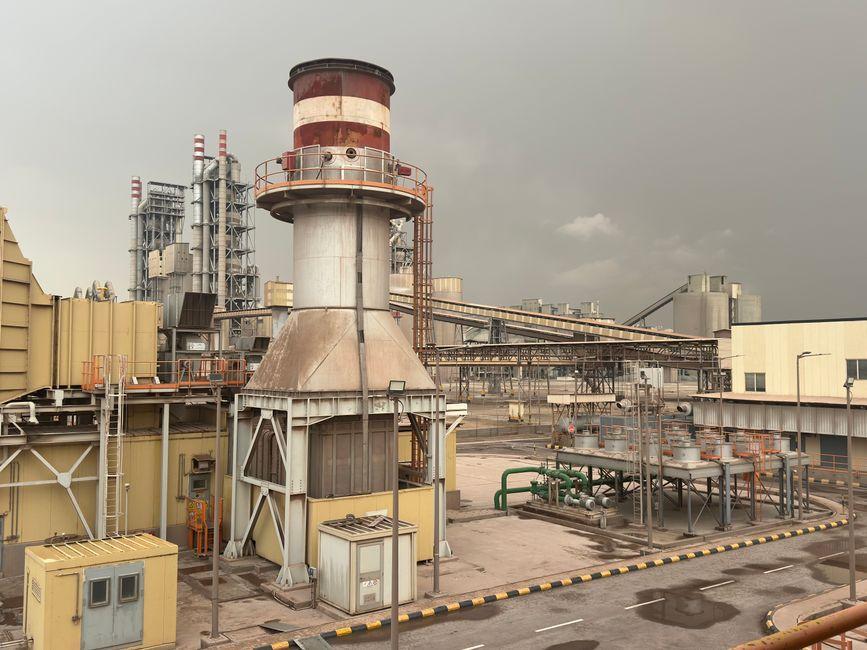
Stock photo for illustration only, not from the actual event
- Saudi Arabia launches joint strikes with the US against pro-Iranian militias in Iraq.
- Attacks from multiple fronts threaten the Kingdom's Vision 2030 economic goals.
- Houthi actions in the Red Sea disrupt vital Saudi oil exports and transport routes.
Ever since the US and Israel launched their military campaign against Iran on 28 February, Saudi Arabia has largely attempted to stay on the sidelines. However, after coming under attack from three separate directions, the Kingdom decided to take action, carrying out joint strikes alongside the US targeting Iranian-backed proxy militias in Iraq believed to be responsible for launching drones across the Saudi border.
The central dilemma facing Riyadh now is whether to maintain a policy of retaliatory strikes as a deterrent or to seek de-escalation, which could potentially involve paying off certain adversaries. The broader conflict gripping the Middle East for five months pits Iran and its Islamic Revolutionary Guards Corps (IRGC) alongside regional allies—including Yemen's Houthis and Iraq's Popular Mobilisation Forces, the latter of which has allegedly mounted 30 drone attacks against the Kingdom—against a US-led coalition.
This escalation directly undermines Crown Prince Mohammed Bin Salman's Vision 2030 initiative, which seeks to diversify the Saudi economy away from oil and attract foreign investments. Sustained security threats to modern infrastructure like data centres and oil facilities could severely derail these modernization efforts.
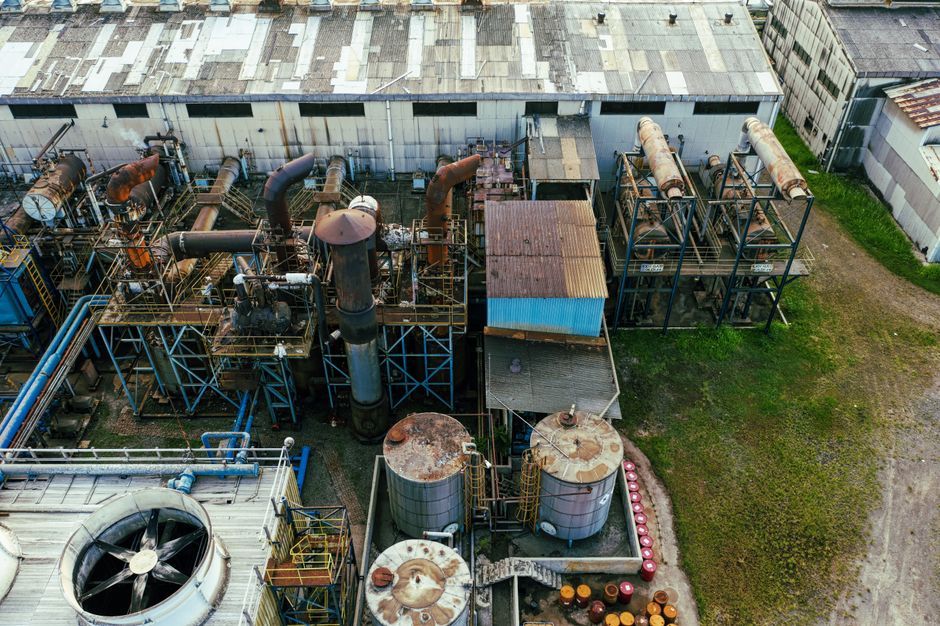
Stock photo for illustration only, not from the actual event
The current vulnerability echoes an unpleasant shock from September 2019, when a fleet of drones struck Saudi Arabia's vital oil processing facilities at Abqaiq and Khurais, knocking out half of the country's oil exports for several days. Recent satellite imagery from Monday confirmed that the Abqaiq facility has once again been targeted by drones launched from Iraq.
Compounding these security concerns, tensions have flared along Saudi Arabia's southern border. On 13 July, Saudi-backed Yemeni forces bombed Sanaa airport to prevent an incoming Iranian plane, prompting Houthi retaliatory strikes against regional airports in Abha and Jizan, as well as attacks on Saudi shipping vessels in the Red Sea. These maritime assaults threaten the Bab El Mandeb strait, choking off crucial oil exports to Asia after years of unsuccessful Saudi military intervention in Yemen.
Source: BBC World
Found something wrong in this article? Report an issue with this article
Comments
Leave a Comment