

Residents of Nir Oz Grapple with Rebuilding Kibbutz
Residents of Nir Oz, an Israeli kibbutz located a mile from the Gaza border, face difficult choices on rebuilding after the 7 October attacks.

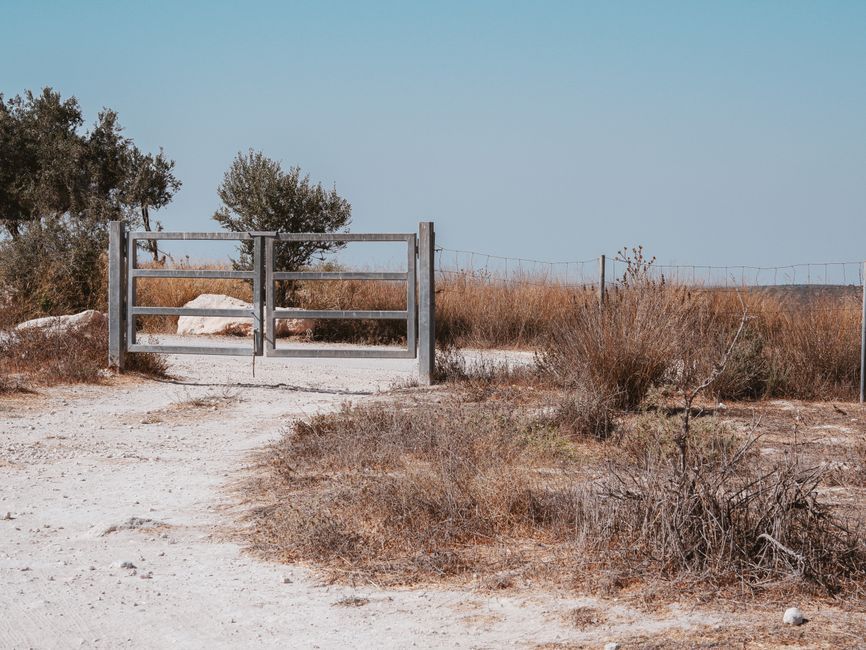
Stock photo for illustration only, not from the actual event
- Kibbutz Nir Oz community of 400 was devastated in the 7 October 2023 attacks
- Forty-seven residents and workers died, and 76 were abducted to Gaza
- The Israeli military admitted to failing to arrive and rescue residents in time
- Rebuilding the community and renovating homes will take an estimated two years
Roosting birds now coo among the ruined ceiling tiles inside the deserted dining room of Kibbutz Nir Oz, which once served as the beating heart of a close-knit community of 400 people before it was devastated by Hamas-led attackers on 7 October 2023. Dalit Ram Aharon and her husband Achi are guiding visitors through the scarred landscape, pointing out the glass entrance doors dotted with bullet holes that serve as a stark reminder of the tragedy that befell missing residents.
Nearby stands the burnt-out home of the Siman Tov family, where a lone wind chime dangles by the door. Photographs on the wall capture Tamar and Yonatan alongside their three children: five-year-old twin girls Shahar and Arbel, and their two-year-old son, Omer. The parents were shot through the door of their bomb shelter, which had been built to withstand rockets rather than gunfire. Dalit, who survived the ordeal with her husband and children after hiding in their own shelter for nearly 12 hours, recalls that Tamar's final messages to neighbors indicated the family perished from smoke inhalation after their house was set on fire.
The assault involved an estimated 500 individuals, including elite fighters and civilian looters. Forty-one Nir Oz residents and foreign workers were killed, alongside six individuals who had fled a nearby party. Furthermore, 76 people from the kibbutz were abducted to Gaza, including nine bodies. The final living hostages from Nir Oz were returned to Israel on 13 October 2025, and the remains of the last deceased hostage, Amiram Cooper, were repatriated two weeks later. Today, the grounds are eerily quiet save for birdsong and stray cats, with dozens of fire-damaged single-storey homes torn down, leaving only reinforced concrete safe rooms that failed to protect residents.
Stock photo for illustration only, not from the actual event
"We used to come and see each other, eat together. There were lots of activities here, also holidays to celebrate."
Dalit Ram Aharon
An investigation by the Israel Defense Forces confirmed that the military completely failed to rescue the community in time, with the first soldiers arriving roughly 40 minutes after the last attackers had departed. Nearly every household suffered killings, violence, sexual assault, and kidnapping. Dalit pauses by a tree planted by her parents, who co-founded the peace-activist farming community; they survived the physical violence of that day only to pass away months later. Nearby is the small home of Shiri Bibas and her young sons, Ariel and Kfir, who became powerful symbols of the hostage crisis. Though her husband was released during a ceasefire, Shiri and her children were killed by their captors.
The reconstruction of Kibbutz Nir Oz highlights the profound psychological scars left on Israeli society by the 7 October attacks. Beyond physical rebuilding, the community faces the monumental task of restoring a sense of safety and home in a place marked by severe trauma. The return of former hostages and residents, despite a projected two-year wait for full reopening, demonstrates deep-rooted ties to the land and a collective resolve to preserve their community's history.
With roughly 20 houses now renovated or rebuilt, a few former hostages—including Gadi Moses and Yair Horn—have returned to live on the grounds. Dalit and her family, currently displaced in an apartment further north, face a two-year wait for Nir Oz to fully reopen. She notes that the delicate challenge lies in redesigning the kibbutz so it feels like home without triggering renewed trauma for those who choose to return.
Source: BBC World
Found something wrong in this article? Report an issue with this article
Comments
Leave a Comment